
Mpumalanga Provincial Government suffocating tourism recovery
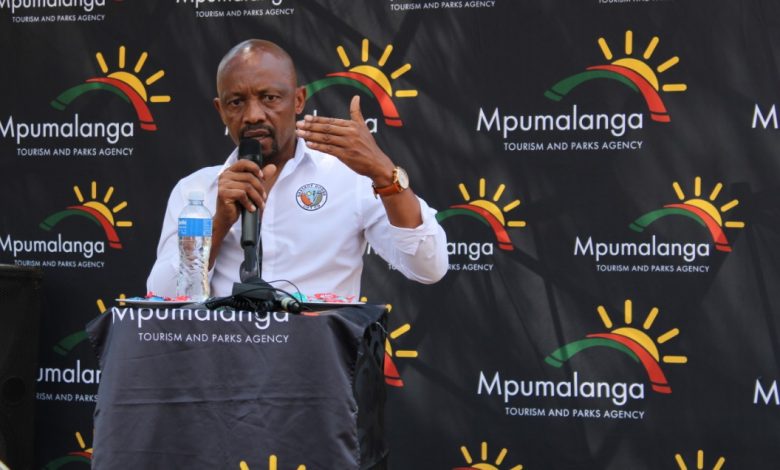
The president of the KLCBT, Oupa Pilane, shares his concerns regarding the local tourism industry.
It is pleasing to see our domestic travellers visiting our attractions once again in Mpumalanga since the opening of provincial travel. If there is one sector, which has heavily borne the brunt of Covid-19 and washed out a massive chunk of the economy, it is the tourism industry.
Business have permanently closed, jobs have been lost and workers have taken huge salary cuts, while on the other hand government officials and politicians have not in any way been affected.
Now more than ever, the tourism industry has become one of the most important engines for economic and sustainable growth in our province. We should all understand tourism development is no longer a choice or a luxury. It is a necessity for development, diversification of the economy and the creation of jobs.
In addition, it is a tool for bridging the communication and cultural gaps and for disseminating the values of tolerance and openness.
ALSO READ: IN PHOTOS: Widespread support for SPAR Women’s Virtual Challenge in Lowveld
It is unfortunate that the Mpumalanga government has not understood that the tourism industry cannot grow at full strength unless all parties make concentrated efforts and related sectors. The silence of the political leadership including the premier of the province has been deafening.
The Mpumalanga government has made no efforts in availing resources towards the recovery of the tourism sector despite the fact that the MEC for economic development and tourism has been publicly pronouncing “well meaning” statements that have yielded no returns.
The recovery of tourism depends on making resources available. The provincial government must come to the party, as all the provinces want to attract domestic travellers.
Currently the Mpumalanga Tourism and Parks Agency (MTPA) is the most under-resourced tourism authority if compared with the other provinces. In fact it does not have a budget to even launch a social media marketing campaign.
ALSO READ: Maintain a hectare of national parkland and stand a chance to win
Right now we need to be marketing Mpumalanga in order to aid the recovery process and attract as many tourism as we possibly can. What the province needs is a visionary leadership that understands that tourism is a catalyst for economic growth and as such, should be allocated a budget and resourced with capable people.
Speeches and meetings will not grow tourism and create jobs. The government needs to take infrastructure investment seriously and fix the roads, ensure that municipalities are brought on board to provide proper services.
The province cannot continue to rely on its natural attractions to draw tourists.
The attractions under the MTPA must be commercialised as many of them are underdeveloped and tired, thus missing an opportunity to increase our tourism spend and create jobs.
The more we suffocate tourism the more we are suffocating other related industries that rely on it for growth. This sector supports the car manufacturing industry – 12,5 per cent is spent by it in buying cars.
ALSO READ: Hikers take a ramble to Devil’s Bridge on eSwatini border
Eight per cent is spent on the retail sector. Tourism supports agriculture by buying farm produce. This sector contributes to the construction industry by building and renovating the lodges. It assists furniture manufacturers and interior decorators, and petrol stations.
The financial sector benefits through tourism banking, and insurance companies benefit by insuring this sector. These are some of the services that benefit directly from tourism and it is therefore not understandable why the Mpumalanga government will take it upon itself to suffocate the industry.
Township and rural tourism development will be a pipe dream if resources are not made available. We hope and pray that the disconnect between the private sector and the Mpumalanga government will at some point come to an end.
It has been over 20 years now that we have failed to create a common vision with it and tourism. The time for talk shops and endless meetings that yield no result should end now.
Our country and our people need interventions, they need jobs, not slogans. We have an opportunity to be among the best in world in tourism development – let us not squander it.



