SA farriers present themselves for assessment
Pandarosa Ranch played host to an international team of Farrier International Testing System (FITS) examiners who assessed farriers from throughout South Africa from August 5 to 7.
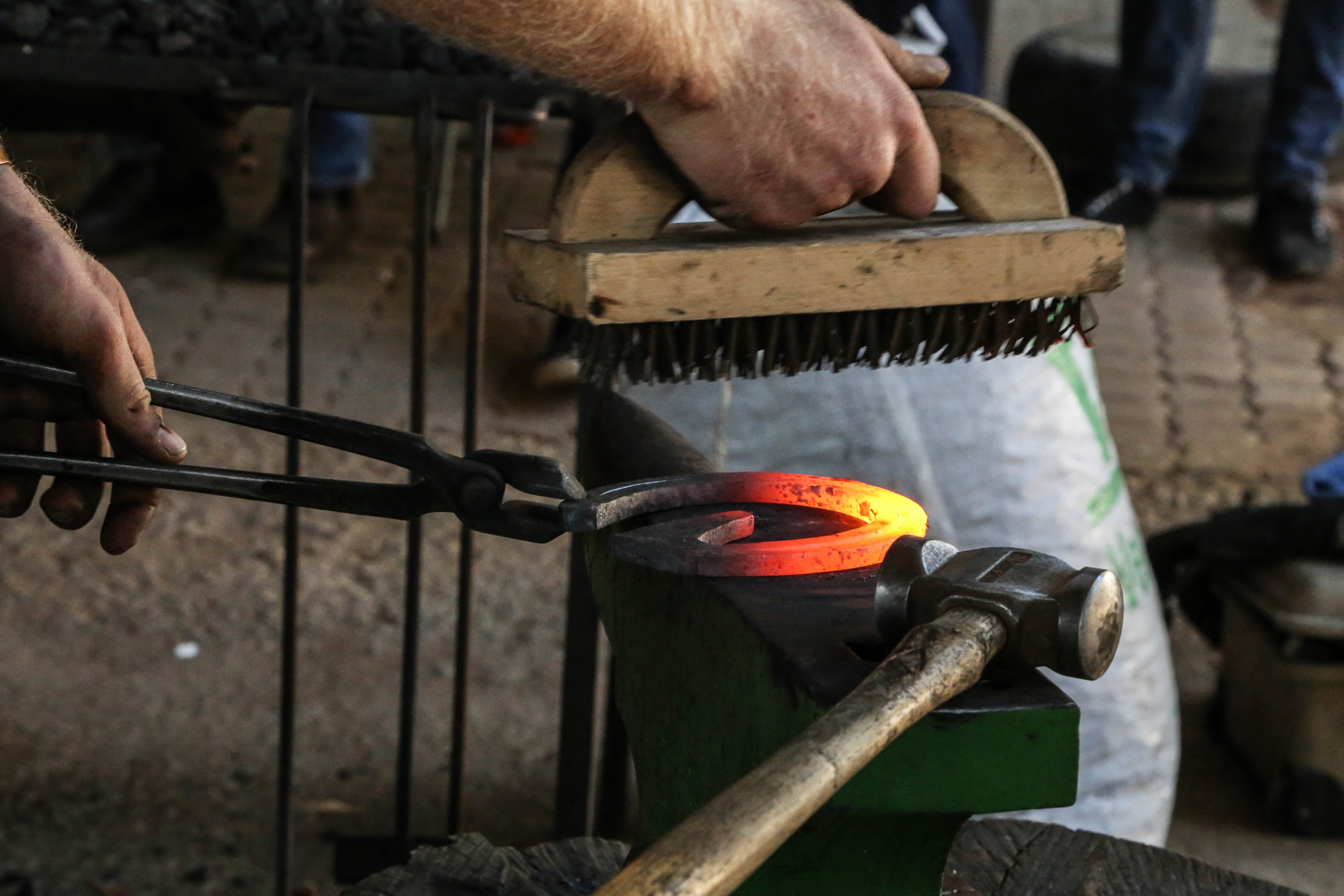
In South Africa, unlike the UK or the US, almost anyone can trim horses’ hooves and do shoeing, as no licensing or registration is required.
Sean Eggersglusz, one of the internationally qualified examiners and owner of Pandarosa, said he is one of only three resident farriers in the Lowveld.
“An event like this rises the standard of shoeing and service in the area. At the end of the day, the horse is the winner,” Eggersglusz said.
Also read: Riders don’t horse around at Nottinghill
The South African Association of Professional Farriers (SAAPF) strives to promote the integrity of the farrier industry by strengthening the knowledge and skills of its members through continuous education.

Each year farriers have the opportunity to undergo an examination process, and in order to maintain standards, the SAAPF invites professionals from overseas to to be the chief examiners and to present clinics.
The panel of examiners this year included Australian judge, Kim Broad, and local examiners, Robbie Miller from Cape Town, Eggersglusz, John Murdoch who hails from the Free State, and Dr Alasdair Cameron from Cape Town.
Highly qualified in their trade, these men ensure that a high level of assessment is maintained, and that only the best and deserving candidates pass and qualify.
FITS is a three-tiered qualification which aims to maintain quality education within its trade in South Africa, and other countries worldwide. Twenty-two farriers presented themselves for assessment by the international team of examiners.
Also read: Reigning reining champ lives dream

According to a concerned horse owner, Helen Thrush, when she asked equine insurance companies whether they had any requirements with respect to the qualification of farriers being used, it was indicated that “if a horse was injured or hurt due to an unqualified farrier working on them, and there is possible cause for negligence or mistreatment of the horse, this could definitely have an effect on a claim”.
“The suggestion made by an insurance company is that one way for horse owners to check a farrier’s competency is to ask them if they have done the FITS exam in recent years,” Thrush said.
There are three levels of qualifications that can be achieved, each comprising of three sections. These include a theory examination, a practical or live-shoeing examination and a shoemaking oral examination. The exams are extremely rigorous. It must be said that any candidate farrier who completes each level has genuinely achieved something remarkable.
Eggersglusz added that the event was a great success. “The judges said there were more participants here than in Australia. The standard was very high, and was proved by the fact that only a few people passed the Advanced Skills Farrier Exam.”