For many years the only form of transport and communication to and from the tiny British-governed island of St Helena in the South Atlantic, has been by sea with the Royal Mail Ship (RMS).
The St Helena Airport Project heralds the dawning of a new era with South African construction company, Basil Read, tasked with its construction and operation into a fully-fledged air-transport system on the island.
The government of St Helena awarded the contract to design, build, operate and transfer an airport on the island, to Basil Read in November 2011.
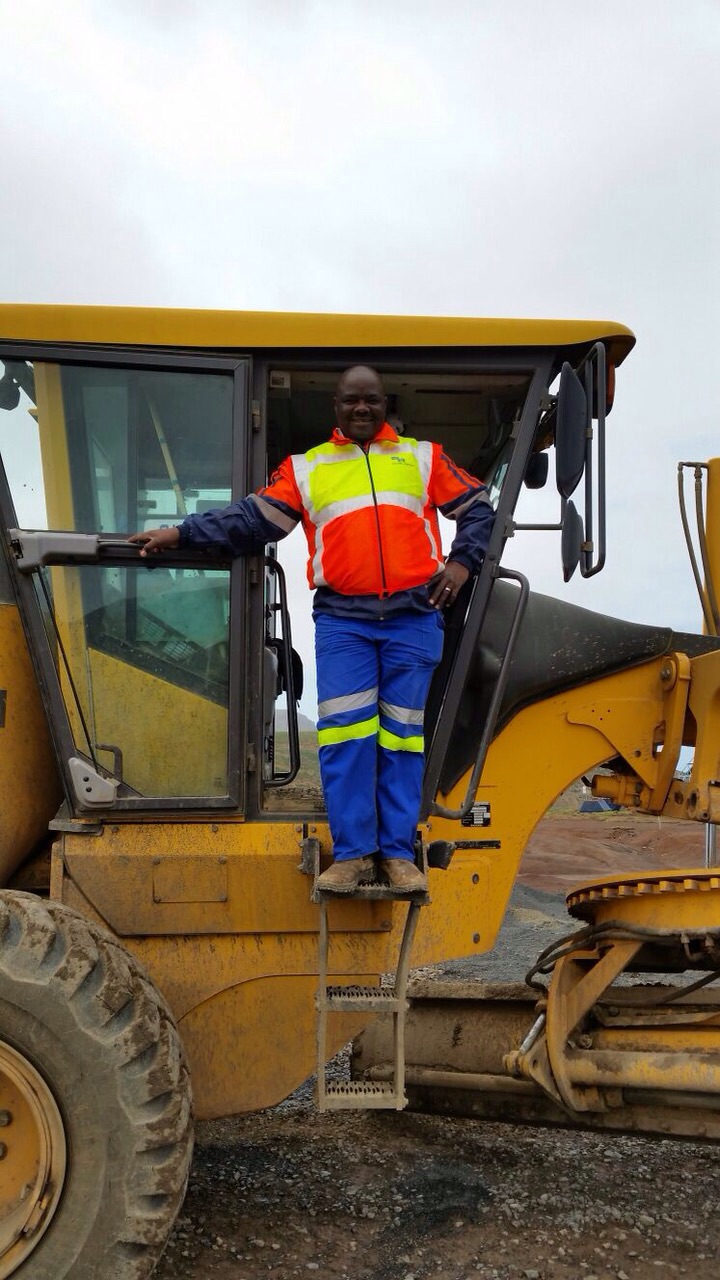
The department of international development (DFID), of the British government, funds the project. A grader operator of the Lowveld is also working on the project and has been living on the island for 11 months, having swapped the humid Lowveld climate for the colder salty air of the island.
James Ngwenya grabbed the opportunity to be part of history with both hands. He is the archetypical family man who, with his tireless work and dedication, has been able to support his family although he is more than 1 900 kilometres away from them.
“Firstly, I asked my wife and we spoke and prayed about it. She agreed and allowed me to work here. To come to the island was no an easy thing.” It has a minuscule population of around 4 000 inhabitants, most of whom live in the capital, Jamestown.
The main sources of income for the island are agriculture and fisheries. Now, with the construction of the airport, the main focus will be on tourism opportunities. “I work on the airport, the runway and the adjacent roads. I also do other small related jobs.
Every day has different problems and tasks we must accomplish on a regular basis,” he said. Ngwenya grew up in KaMhlushwa, a township close to Malalane, which is a completely different kettle of fish compared with his current surroundings.
“I have never lived close to the ocean before in my life, now I have to live on a big rock with water all around,” he explained. Life on the island was an eye-opener for Ngwenya when he first arrived as he experienced quite a culture shock.
“I was scared that I was going to fall down into the sea and that the sharks would eat me,” he said jokingly with a wry smile. Ngwenya also had to adjust to the different cultural lifestyle on the island as opposed to South African traditions.
“I am an African, I need pap, my friend. We normally arrange mealie meal to be transported from South Africa,” he said. “We also basically live on the freshest fish. Huge pieces of tuna, swordfish and other types,” he added. The people who live on the island are very kind, according to Ngwenya.
“The first thing you notice is the respect they have for one another. Everyone greets one another. That is the culture of the island. I also want to raise the point that I have never seen any crime, violence or people fighting on St Helena. It’s like a small paradise.”
Currently the airport’s construction is going smoothly. The website also provides constant updates to keep the residents informed. Following the construction phase of the airport, the island will focus on upgrading accommodation facilities and infrastructure with the main aim of providing employment opportunities to the local population.
“Constructing an international airport on one of the most remote islands in the world requires dedication, exceptional expertise and an outstanding workforce. Basil Read currently has a core in-house workforce of 25 Basil Read employees on site, however, the majority of employees for this contract are recruited from the island and it is expected to peak at around 250 people,” stated the Basil Read St Helena Airport Project website.
Ngwenya, a Jehovah’s Witness, has also mentioned that he spends most of his time away from work at church. “Every Sunday I go to Kingdom Hall and then I go to the full service. I also go to Kingdom Hall on Tuesday’s and Thursday’s, he said.
Ngwenya also has to stay on the island for long periods of time based on a contractual basis. “I took a year’s contract to work on the island. I am very grateful for the support of my friends and family who are willing to let me work so far abroad.
“I speak to my wife every day and we encourage each other to stay strong. I cannot just abandon my contract because I miss my family. It’s important that I provide for them.” Ngwenya has six children for whom he has to provide and he believes they are his biggest blessing. Ncolo (19), Thabile (14), Thami (12), Samkelo (7), Alusha (3) and Brian (10 months) make up the Ngwenya siblings and their dad is extremely proud of them.
“My greatest wealth is my family. After the airport is finished I want to bring my wife here so she can experience island life with me.” There have been a number of open days on which residents could view the progress at the airport.
Completion is scheduled for early 2016. “I never anticipated that this island would boast an airport in my lifetime but just look at where we are now,” said Tony Green, one of the local residents.
Get the latest updates on the project at: https://www.brshap.co.za/