Be ready and equipped when bugging out
Bugging out is a term used for those brave souls who would pack a rucksack with only the bare essentials and then just vanish into nature - the bush - the mountains on a lone quest for peace and rejuvenation.
Of course, a cataclysmic event may release us from our prized and luxurious lifestyle and force us to live off the land, even if only for a short period of time till we are rescued.
With all the stuff that’s going on in this world there is a whole movement of what is generally known as preppers – people who prepare and learn how to survive with the minimum. I do not subscribe to the apocalypse philosophy but do consider it good for the soul to spend time in nature without tons of stuff.
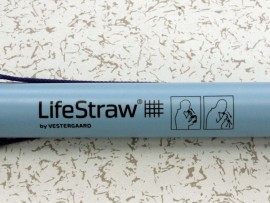
So what would a bug out or BOB list look like? The three most critical things for survival is water, fire and shelter and the tools which can support one to either build or acquire these in the wild. One can survive truly long periods without food, but water, fire and shelter are critical. With water resources being polluted through reckless management one would need some device to filter whatever water you can find. The Lifestraw is light and really is one of those gadgets that one should have with you on all camping and walking outings even on a day walk. Staying hydrated is one of the most important elements of survival.
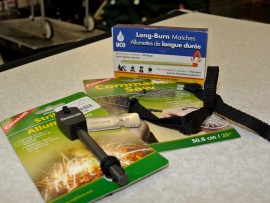
Fire – not just for warmth but also for light – requires storm-proof matches, a lighter or a fire-starting kit (see photos). Added to this then you should have an axe or survival knife to chop wood and believe it or not, a humble pencil sharpener to make tinder with to get your fire started. It is quite easy to build a shelter (if you know how) from material that you can find in nature but if your bug out is pre-planned; a tarp is an excellent tool to build one.
I have included an illustration of just how versatile this can be. And these days one can buy tarps made of modern material and weighing only grams. Tarps in combination with hammocks are also becoming more popular with hikers and regular nature junkies by the day. It is also easier and quicker to set up in difficult terrain. And although I don’t have personal experience with hammocks, I certainly have woken up wet and cold as a result of water running through a bivvy/sleeping bag set-up.
This will of course not happen when sleeping in a hammock. If you are a bug-out kind of camper or thinking of trying it, do some homework – it may just be a most refreshing and sobering experience. Just as a final word – the right mindset and knowledge/survival skills may actually be more important than having the latest and greatest of equipment.