Limpopo adds to government fleet to boost services
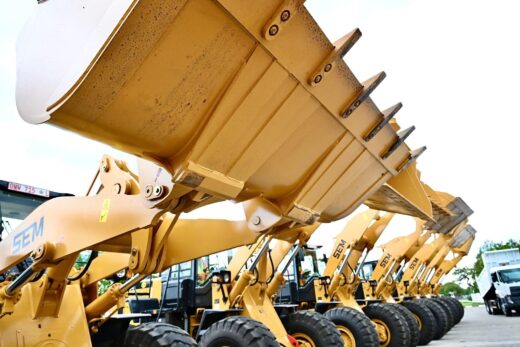
A fleet of 105 vehicles, including dozers, graders, and other equipment, has been added to the Limpopo Department of Public Works, Roads and Infrastructure in an attempt to improve service delivery.
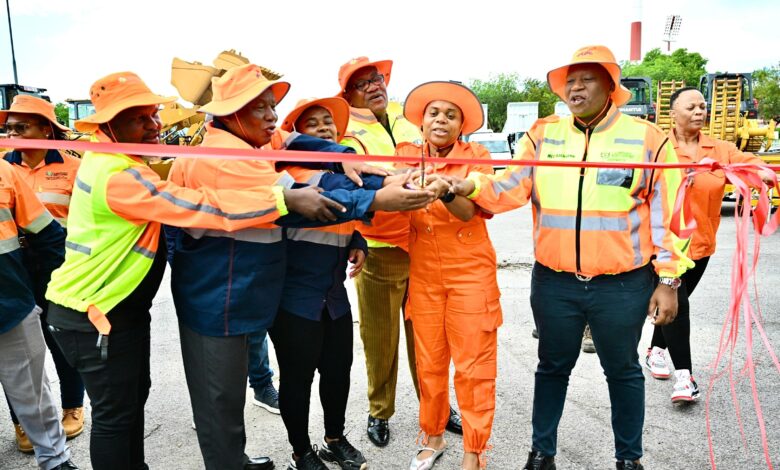
Limpopo Premier Dr Phophi Ramathuba, together with MEC Ernest Rachoene, unveiled a total of 90 units of the white and yellow machinery fleet at the Peter Mokaba Stadium in Polokwane last Wednesday.
Ramathuba lauded the commitment of the collective leadership of the department, led by Rachoene, which resulted in the procurement of the additional fleet, which she said will undeniably transform the lives of communities.
The premier described the unveiling as a declaration of intent and a statement that the provincial government takes service delivery seriously.
“It is a promise that we will meet our people where they are, in their streets, villages, and daily struggles. For years, our communities have not hesitated to tell us where we fall short. They have written letters, contacted councillors, spoken at Imbizos, and used every platform possible to voice their frustrations about delayed road maintenance and slow repairs. These concerns were not unreasonable. They came from citizens who rely on us for safe roads, functional public buildings, and dignified public services,” Ramathuba expressed.
She reiterated the significance of the government’s response and visibility when service delivery concerns are raised.
The availability of the fleet demonstrates the government’s commitment to respond to the needs of communities.
The fleet unveiled on Wednesday included five dozers, five graders, eight front loaders, five tipper trucks, 24 bakkies, 17 sedans, six minibuses, and 20 trailers.
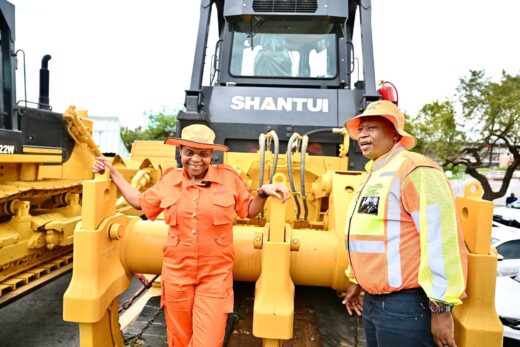
The premier indicated that each of the vehicles symbolises trust, accountability, and the provincial government’s solemn commitment to the taxpayers of Limpopo.
She urged for the impact of the fleet to be felt immediately in communities after leaving the stadium, as it becomes meaningful when it turns into action.
“Government facilities that have waited for routine repairs must not wait another year. Our communities know that we may not have the R350b required to upgrade 13 000km of gravel roads, but they expect those roads to be at least drivable. That expectation is valid. It is fair. It is our responsibility,” Ramathuba remarked.
She called for the correct use of the vehicles, close monitoring, and consistent maintenance, “Misuse of government property is not a small offence; it is a breach of public trust, and we will not tolerate it. Vehicles must not idle, nor be reserved for selective use. They must not become of personal convenience. They must be in the field, serving communities.”
She conscientised the operators that when they drive into villages and towns, they need to be aware that they carry the image of the state.
“Your professionalism, your care and dedication, speak louder than any speech. Treat this fleet as an instrument of change,” she concluded.