Izimbiwa Coal breaks silence on bullfrog issue
Izimbiwa Coal confirms that no Giant Bullfrog relocation has taken place to date.
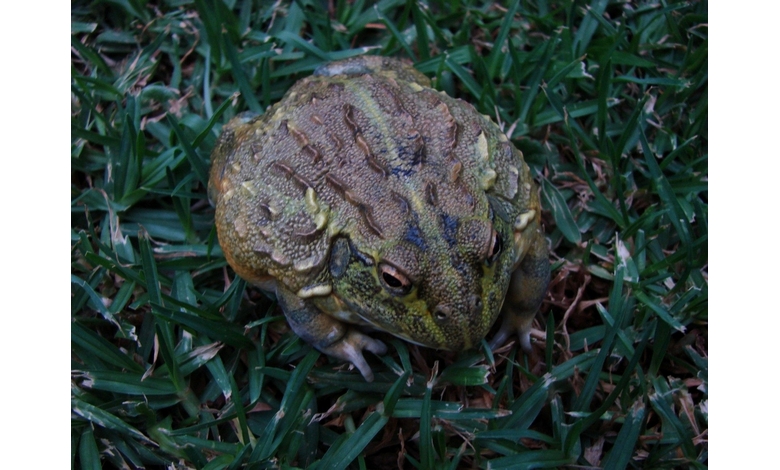
Following growing concern over the future of the threatened Giant Bullfrog at the Elandspruit Pan, Izimbiwa Coal has provided detailed responses addressing environmental, legal and conservation-related questions surrounding its proposed mining operations and relocation plans.
This follows an earlier report highlighting warnings from environmental specialists that premature relocation of the species could pose a serious risk to its survival.
Concerns raised over Giant Bullfrog relocation plans
According to retired river ecologist and aquatic specialist André Hoffman, the species is highly sensitive to environmental conditions and relies on very specific circumstances for successful breeding.
The Elandspruit Pan, a shallow seasonal grass pan between Middelburg and eMalahleni, is currently the only known breeding site for the species in Mpumalanga. Experts warn that planned coal mining in the pan will permanently destroy this critical habitat.
Key concerns highlighted by Hoffman:
• Loss of a critical breeding site: Mining activities in the pan could irreversibly destroy the only confirmed breeding habitat in the province.
• Species’ sensitivity to conditions: The Giant Bullfrog breeds only under optimal environmental conditions, with breeding events sometimes years apart.
• Uncertainty around relocation success: The proposed relocation site is smaller than the current habitat, raising concerns about its ability to sustain the population long-term.
• Outstanding environmental processes: The registration of the offset site has not yet been finalised, and important environmental studies are reportedly still outstanding.
• Pressure to proceed prematurely: There are concerns that relocation may be pushed ahead before all necessary studies and groundwork have been completed.
• Risk of environmental harm: Experts warn that rushing the process could pose a serious risk to the survival of the species.
Hoffman cautioned that proceeding without completing the required processes could amount to ‘putting the cart before the horse’, adding that the situation could develop into a significant environmental incident with potentially irreversible consequences.
Izimbiwa Coal outlines environmental compliance
In an opening statement, Izimbiwa Coal emphasised that all required approvals and studies have been completed.
“Izimbiwa Coal is a responsible mining company that takes its environmental obligations seriously. The Graspan Colliery has received all necessary environmental, mining and water use statutory approvals following the comprehensive assessment of all identified impacts undertaken by reputable, independent specialists.
“The impact assessment processes included continuous engagement with the relevant authorities, including the Mpumalanga Tourism and Parks Agency (MTPA) and the Department of Water and Sanitation.
“The Environmental Authorisation and Water Use Licence include stringent conditions aimed at preventing, mitigating or offsetting any identified impacts. The necessary species capture and release permits and a plant relocation permit have been granted and are also subject to conditions of approval.”
Relocation has not yet begun
Addressing concerns that relocation may already be underway, Izimbiwa Coal confirmed that no such activity has taken place.
“All the necessary statutory environmental studies have been completed. Giant Bullfrog search and monitoring activities were undertaken in February in accordance with the methodology set out in the specialist Rehabilitation and Relocation Plan, and the conditions of the Giant Bullfrog catch-and-convey permit and specialist protocols.
“The Giant Bullfrog Rehabilitation and Relocation Plan was authored by Ms Lise Ferreira-Meyer, who has a MSc in Environmental Ecology, with her Master’s Thesis on amphibians, and peer reviewed by Dr Mohlamatsane Mokhatla, who has a PhD in Zoology (amphibian conservation).
“No frogs were recorded or captured during that survey period, which falls outside peak breeding activity when detection rates are typically higher.
“The capture and relocation have not yet commenced, but will be timed to coincide with suitable environmental conditions that trigger surface activity and breeding behaviour. The process will be monitored by the on-site Environmental Control Officer and an amphibian specialist.”
No outstanding approvals, says company
Izimbiwa Coal stated that all environmental processes and approvals are already in place.
“All environmental assessments have been completed, and the necessary statutory approvals are in place, including the Giant Bullfrog catch-and-convey permit, issued by the MTPA. The rights and obligations under those statutory approvals have vested.”
Suitability of relocation site explained
The company also responded to concerns about whether the proposed offset site can sustain the species long-term.
“The proposed relocation site was identified through specialist assessment and selected based on ecological suitability, in consultation with the MTPA.
“It falls within a high-probability occurrence area for the species, within the same Rand Highveld Grassland vegetation type, and provides comparable seasonal aquatic habitat conditions required for breeding.
“The proposed relocation site is located within a formally protected reserve, offering long-term habitat security independent of any commercial activity.”
Oversight and monitoring measures detailed
According to Izimbiwa Coal, strict oversight mechanisms will govern the relocation process.
“Various internal and external oversight mechanisms are imposed as conditions of approval under the environmental authorisation and water use licence, read with the relevant management plans, conditions of relocation permits and specialist protocols.
“These include stringent monitoring, reporting and auditing obligations and the appointment of an Environmental Control Officer to monitor and enforce compliance with the conditions of environmental authorisation and requirements of the Environmental Management Plan.
“The implementation of any conditions of authorisation and permits, including mitigation and management measures relating to Species of Conservation Concern is specialist-led and includes on-site specialist supervision during relevant activities, disease screening to minimise the risk of pathogen transfer, and individual tagging to support post-relocation monitoring.
“The permit conditions require that MTPA’s scientific officer be informed of progress. Activities are therefore subject to both independent specialist monitoring, reporting and oversight and regulatory oversight, and enforcement where required.”
Company responds to environmental concerns
In response to warnings that premature action could endanger the species, Izimbiwa Coal reiterated its commitment to responsible timing and scientific guidance.
“We recognise the ecological sensitivity and importance of the timing of relocation. No relocation of the Giant Bullfrog has taken place to date but ongoing monitoring for Species of Conservation Concern is being undertaken.
“In accordance with the relevant specialist advice, the capture and relocation will be timed to coincide with suitable environmental conditions that trigger surface activity and breeding behaviour.
“The process will be monitored by the onsite Environmental Control Officer and an amphibian specialist and undertaken in accordance with the methodology set out in the specialist Rehabilitation and Relocation Plan, the conditions of the Giant Bullfrog catch-and-convey permit and specialist protocols.
“Izimbiwa Coal, as a responsible corporate citizen, remains deeply committed to ensuring that all identified, potential impacts on flora and fauna within its operational area can be prevented or, where such impacts cannot be prevented, are adequately mitigated or offset.
“Izimbiwa Coal has met, and will continue to meet all conditions of authorisation and the recommendations of their specialist impact assessment team to ensure that the Giant Bullfrog is afforded care and responsible management.”