
FlySafair introduces temp fuel surcharge as Middle East conflict rattles markets
Travellers flying on South Africa’s biggest airline will have to pay a surcharge as jet fuel prices rise by almost 70% in a week.
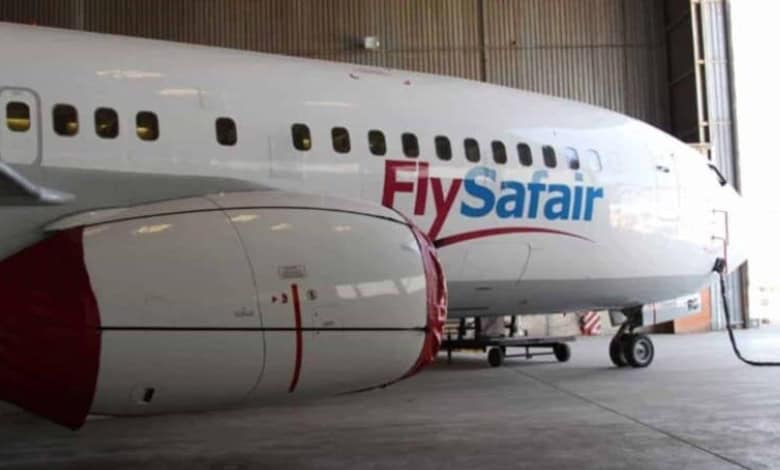
FlySafair will impose a fuel surcharge on all tickets from today until May 12.
The Witness reports that South Africa’s biggest airline announced yesterday that passengers will have to pay the surcharge amid a surge in jet fuel costs.
This comes as the ongoing conflict in the Middle East continues to unsettle global markets and disrupt supply chains.
The airline stated the surcharge will be reviewed regularly and may be adjusted depending on developments. It added that the surcharge will not be applied retrospectively to flights already booked.
“We will be specifically itemising this temporary dynamic fuel surcharge on all tickets to ensure fairness and transparency for our customers,” said FlySafair’s chief marketing officer Kirby Gordon.
The airline states that the surcharge is unavoidable as Jet A1 fuel prices at South Africa’s coastal airports have spiked by about 70% in just one week.
FlySafair said in a statement that it has absorbed the steep fuel cost increases to shield passengers from immediate airfare increases, but has reached a point where it must pass on a portion of the costs to ensure its long-term sustainability.
The statement from FlySafair comes as security around the arterial global trade route, the Strait of Hormuz, becomes increasingly compromised.
Strait of Hormuz
The Strait of Hormuz, a conduit for about 20% of the world’s oil, is almost entirely closed after three ships were hit by unidentified projectiles in or near the waterway yesterday.
Tanker traffic has been largely paused for days because of concerns that drones or missiles could strike merchant ships. However, the attack on the three vessels and reports of Iranian mine-laying ships in the waterway yesterday mark an escalation of the conflict.
Earlier this week, oil prices reached their highest levels in four years, but fell after the President of the United States, Donald Trump, said the war with Iran was nearing a conclusion and indicated that the United States Navy would begin escorting tankers through the waterway.
Despite the drop, oil prices were still significantly higher than before the conflict, and the incidents in the Strait of Hormuz yesterday could push prices up again.
Oil prices volatile
CEO of the Road Freight Association (RFA), Gavin Kelly, said oil prices are highly volatile due the to many factors influencing them, adding the conflict has affected nearly all of these variables. He said oil prices are influenced by risk, supply and demand, and currency strength.
Kelly said that risk has increased sharply as it becomes increasingly difficult to move oil out of the region, while demand has also grown as people engage in panic buying.
He added that it has become more expensive for Gulf states to move their oil as insurance companies have raised premiums because of the conflict. Kelly said that cost would ultimately be passed on to consumers.
Kelly said that the United States and its allies must secure the Strait of Hormuz to stabilise global oil supply and, consequently, prices. In the meantime, Saudi Aramco, the world’s largest oil producer, hopes to meet customer demand by pumping crude through the east-west pipeline to the Red Sea port of Yanbu.
He added that such an alternative could alleviate the risk of oil supplies running low, but warned that it would not allow oil to be shipped out as quickly.
“It is still a good alternative and, once oil starts being shipped again, demand will ease as people know supply is available,” he said, adding that other Gulf states are also likely to begin using the Red Sea route because, just as the world depends on them for oil, they depend on oil exports for revenue.
Breaking news at your fingertips… Follow Caxton Network News on Facebook and join our WhatsApp channel.
Nuus wat saakmaak. Volg Caxton Netwerk-nuus op Facebook en sluit aan by ons WhatsApp-kanaal.
Read original story on witness.co.za

