
Piet Croucamp: ‘If South Africa burnt down tomorrow, I would go to America’
A well-known political commentator who knows America from the inside says he could live there, but South Africa has taught him ‘empathy and grace’ that he has passed on to his children.
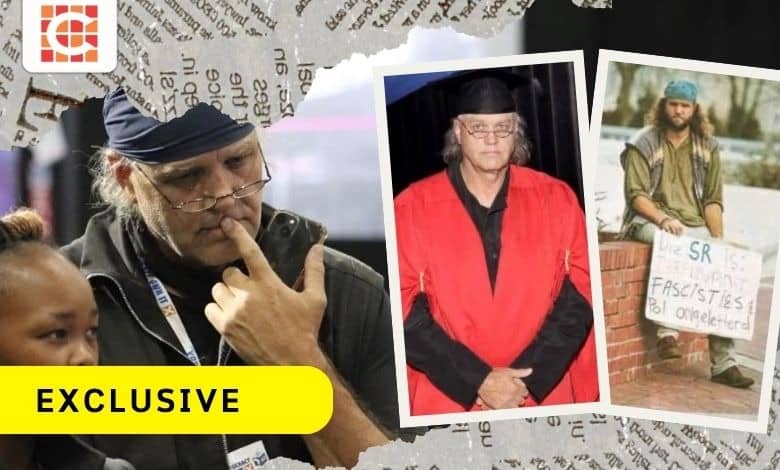
Piet Croucamp has hordes of kopdoeke (headscarves), one for almost every day of the year, he says. Blue, red and white are among his favourites. The three colours also happen to appear on both the South African and American flags.
On September 29, his kopdoek of choice was blue.
Perhaps it is fitting. The political commentator, writer and professor of politics at North-West University is rarely far from a political storm or verbal sparring.
“That,” he says, “is just who I am.”
He says he attracts a ‘little more fire than most other people’. “I like questioning things. I like saying things a little more strongly.”
He does not want to be controversial simply for the sake of it. “I try to defend what I say. If you are deliberately controversial, you are sometimes trying to create an effect, and that is not what I am trying to do.”
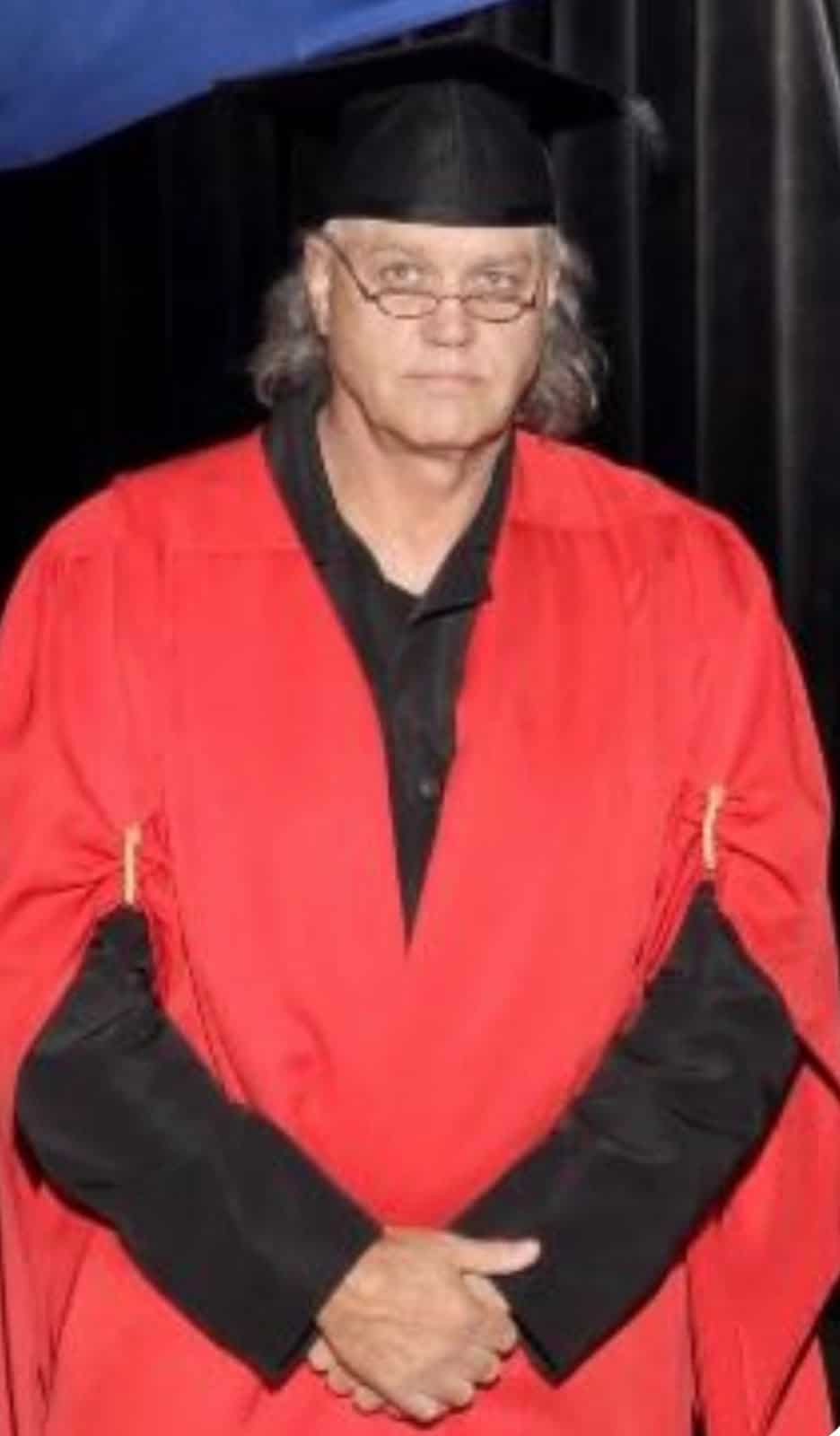
His views on politics are outspoken, but so too are his views on where he would choose to live.
South Africans are increasingly drawn to America. According to UN data obtained by the SA Chamber USA from the 2020 International Migrant Stock report, the United States was the third most popular destination for skilled South African emigrants, preceded by the UK and Australia.
Under President Donald Trump, relations between the two countries have become increasingly strained, with disputes over South Africa’s domestic policies, land reform, racial issues, trade and foreign policy.
Croucamp knows America well, having lived and worked there. But he also understands the fear that drives some South Africans to leave. Although he has never been a victim of crime in South Africa, his concerns are particularly focused on the safety of his children.
Backfires
Boom! A car backfires in the parking lot of his favourite coffee shop in Randburg, Olivia’s Coffeebake. For a split second, his shoulders tighten. It is just a car. His shoulders drop.
“We are an unsafe country. Fortunately, some of us have the financial means to install an alarm system and electric fencing and to create a feeling of safety around ourselves.”
He recalls a woman from a township who gave up her permanent job at Spar because she was afraid to go home. He says she often had to wait at the taxi rank, where she was vulnerable to criminals, and then would have to walk about 200m from where the taxi dropped her at around 22:00 to reach the township.
Despite earning a good salary, she eventually found other work as a waitress that allowed her to get home while it was still light.
He says if you fear for your safety, that is the fear of someone who feels existentially trapped and is simply trying to survive and feel safe.
Understanding why people leave does not mean Croucamp wants to leave himself.
“If South Africa burnt down tomorrow and you asked me where I should go, I would say America.”
Then comes the qualification. “I just do not feel like leaving now. I think if I were younger, I might feel differently. But I know what I have here. South Africa makes me a better person. It teaches me empathy and grace. These are good qualities that you should pass on to your children.”
‘We want to stay’
For some South Africans, staying is not simply what happens when there is no reason to leave. It is a choice in itself.
Earlier this week, Caxton Network News asked readers across 60-plus Facebook pages why they wanted to stay in South Africa.
Ziandri Jacobs, a 24-year-old Centurion resident and NG church reverend, said: “My people are here. My language. My calling. My church. I do not stay because South Africa is not perfect. I stay because, despite everything, something inside me still says: This is where I belong.”
Rugby in America
Croucamp’s connection to America is not theoretical. He lived there illegally for more than a year, worked there and played rugby for American clubs. He recalls being caught by immigration officials after being stopped for crossing a red light. He was eventually allowed to leave, but says his immigration history meant he could not simply return to America after his visit ended in 1998.
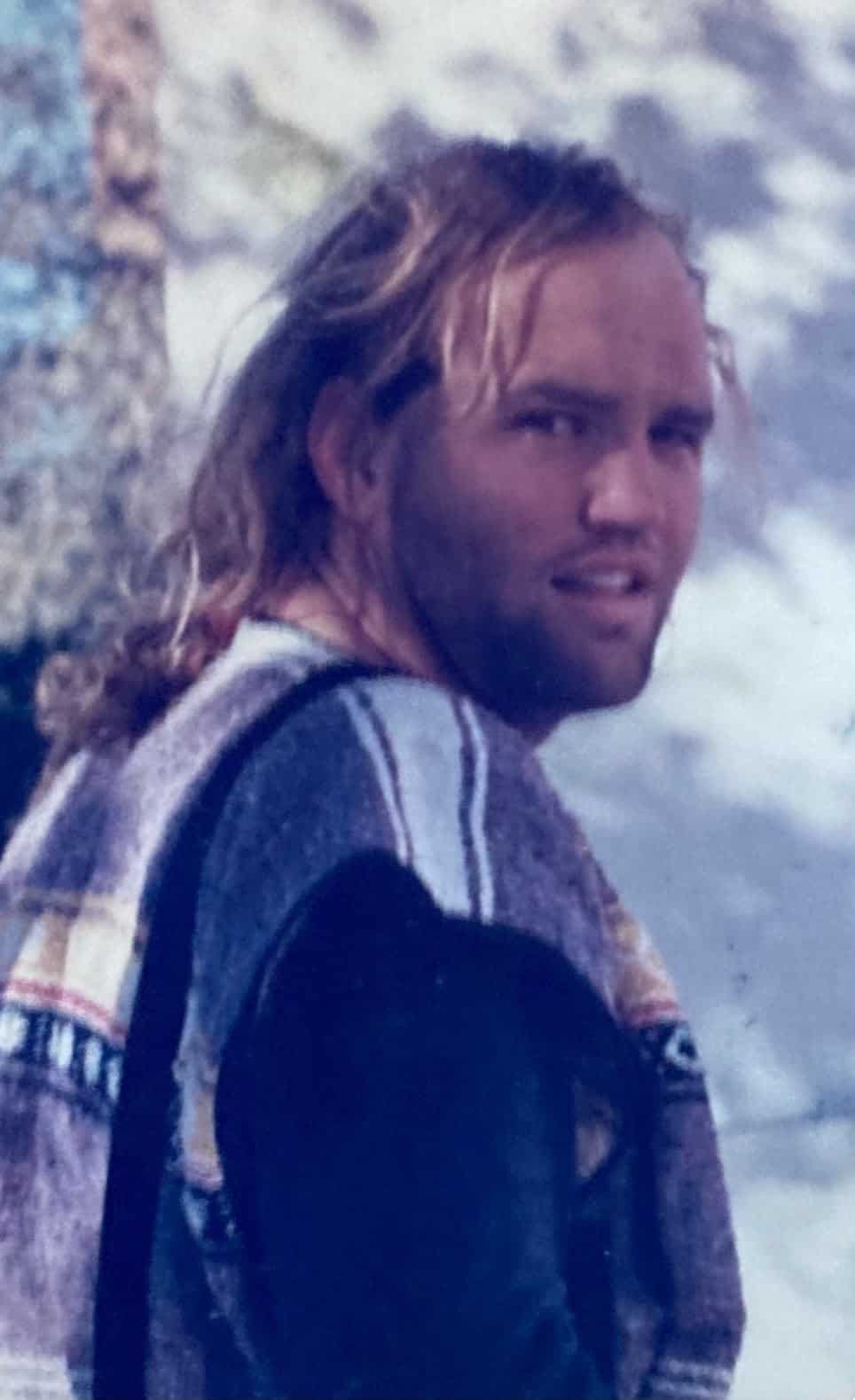
He laughs as he recalls the experience.
“I would be denied a visa. The embassy was willing to give me a visa, but I would not lie to immigration officers if they asked me if I had ever been illegally in the country.”
The memories are good ones. He was earning a good salary and says his skills were valuable enough for the clubs to want to keep him.
He played number eight, cutting through the American boys.
He believes they lacked the ‘muscle memory’ to play rugby, something Afrikaners and most South Africans develop from young.
“I even coached some of the clubs. They admired my rugby skills, which I had developed playing from primary school right through to university.”
America is a country of immigrants
What stayed with him was not simply the experience of living in America, but its belief in movement and possibility.
For him, America’s history as a country shaped by immigration remains one of its strengths. He is surprised that more South Africans have not made the move.
He also worked alongside Mexican immigrants who had initially entered the country illegally before later becoming legal. He believes he could eventually have become legal as well.
What appeals to him is the country’s emphasis on mobility and the idea that each generation should be better off than the one before it.
He describes ‘go west, young man’ not as a call to chase cowboys, but as an invitation to move towards opportunity.
That is the attraction of America, says Croucamp: The idea that you can change your circumstances rather than remain trapped by the circumstances you were born into.
“That is something I respect about America.”
For now, though, he knows what he has here.
Fighting among Afrikaners
Yet belonging is more complicated than geography.
Writer and former Noot vir Noot winner Daantjie Badenhorst has no intention of leaving South Africa.
“There are many reasons I will never leave this country. My practical reasons are that I have nothing to offer any other country as far as skills are concerned and I live like a pauper.
“My emotional reasons are that I am Afrikaans-speaking and this country’s people are my people even though I violently disagree with most of them.”
Being an Afrikaner is one part of his identity, says Croucamp, but it does not define the people he feels a connection with.
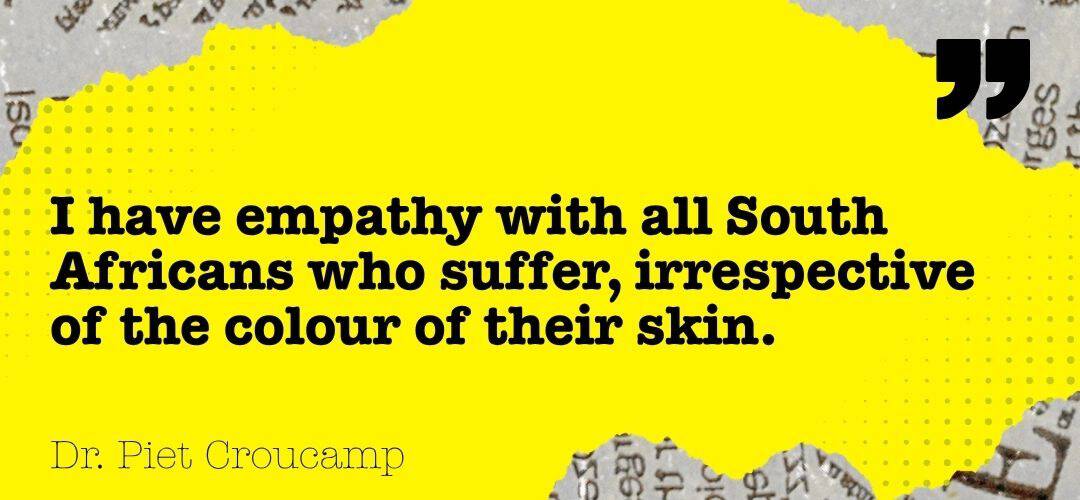
“I never deny that I am an Afrikaner. I will always be one, but I am a human being. And I have empathy with all South Africans who suffer, irrespective of the colour of their skin.”
He says he has helped Afrikaans students who could not get into other universities gain admission to the Afrikaans-only Akademia and find bursaries for their studies.
His relationship with people who represent a different vision of Afrikaner identity is equally complicated.
“I have to say, with all my criticism of the Solidarity group, now I have become very fond of Flip Buys [chairperson of the Solidarity Movement], who just doesn’t want to go away,” he smiles.
He does not see Buys as the caricature of an Afrikaner leader locked in perpetual conflict with the rest of the country.
“I told Flip that if they extend their resources and innovations to the rest of South Africa, we would be a much better country.”
For him, broedertwis (Afrikaner faction fight) is real, but hardly new. Afrikaners have never been a community of complete consensus, he says.
In pioneer societies, he argues, people tend to unite around an external threat. When the instability moves inside the group, distrust follows, he says.
Croucamp is stubborn, headstrong, rugby mad and crazy about nature. He writes in Afrikaans. He speaks Afrikaans. In many ways, he embodies the traits of an Afrikaner.
But Croucamp insists that, before anything else, he is a South African.
The man behind the kopdoek
For all his political arguments, there is another side to Croucamp – one he says is often misunderstood.
To some, Croucamp is an Afrikaner hater. He sees himself as a critic, and says there is a big difference. “People tend to get confused by those two terms.”
He talks about his daughter, who was diagnosed with cancer a few years ago. “She is now free of cancer,” he says.
He cried. A lot.
“Your children are your weak spot. They are the people who can kick you in the heart. And that is why I never judge people who say that they immigrate or even become refugees because of their children.”
His own nickname, Piet Kopdoek, has become almost as recognisable as his arguments. He wears the headscarf without much fuss and has little interest in the profanity and slurs that follow him online.
He touches the kopdoek, grey curls spilling out beneath it. “If you give criticism, you must be willing to take the shots.”
Read the previous stories here:
- 10 000 South African refugees and counting: The American who became their voice
- South African refugee’s hopes for a new life end in tragedy
- Onwillige vlugteling: Boervrou vind haar lot in Fate, Amerika
- Diamond in America: Former Mbombela municipal manager helps SA businesses in ‘land of plenty’
- Die Amerikaner wat wortel geskiet het in SA
Breaking news at your fingertips… Follow Caxton Network News on Facebook and join our WhatsApp channel.
Nuus wat saakmaak. Volg Caxton Netwerk-nuus op Facebook en sluit aan by ons WhatsApp-kanaal.
Read original story on www.citizen.co.za

