What parents need to know about meningitis
While cases of meningitis can be serious, there’s no need to panic if you know what to look for and how to protect your children.
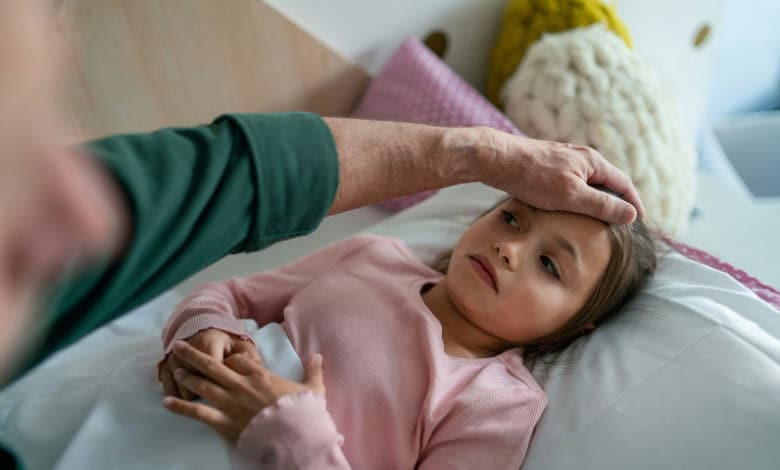
Hearing about meningitis cases in your community can be unsettling, especially as a parent. While the condition is serious, knowing what to look out for and how to respond can make all the difference. From early warning signs to prevention and when to seek urgent medical care, this quick guide breaks down the essentials every parent should have on their radar.
- What is meningitis, and why can it become dangerous so quickly?
Meningitis is an infection of the protective lining around the brain and spinal cord, known as the meninges. There are two types of meningitis: viral and bacterial. While viral meningitis can make children quite ill, it is generally relatively mild, but bacterial meningitis is a fast-progessing form and requires immediate hospital admission and intravenous antibiotics. If treatment is delayed, particularly in bacterial meningitis, complications may occur, including hearing loss, developmental delay, seizures, brain injury, and, in rare cases, death.
- What causes meningitis?
It can be caused by viruses or bacteria. Certain bacteria, including meningococcus, can also enter the bloodstream and cause sepsis, a life-threatening reaction to infection that affects the whole body. Babies and young children are particularly vulnerable because their immune systems are still developing.
- What to look out for:
In young children, meningitis doesn’t always begin with obvious symptoms. Early signs can resemble common childhood illnesses with symptoms including:
- Fever
- Poor feeding
- Vomiting
- Excessive sleepiness or difficulty waking
- Irritability or high-pitched crying
- Floppiness or unusual stiffness
- A bulging fontanelle (soft spot on the head) in babies
- Seizures
Older children are usually better able to describe what they’re feeling, and their symptoms often resemble those seen in adults, such as:
- Severe headache
- Neck stiffness or pain
- Sensitivity to light
- Vomiting
- Fever
- Confusion or drowsiness
- Seizures.
- When should your child go to the emergency room?
Urgent medical care is needed if a child has:
- Fever with a severe headache
- Neck stiffness
- Persistent vomiting
- Confusion or unusual drowsiness
- Seizures
- Difficulty waking
- A non-fading rash that does not disappear when pressed
- Any baby who is lethargic, feeding poorly, or difficult to rouse.
- What you can do to protect your child
Routine childhood vaccines protect against some major causes of meningitis, including Haemophilus influenzae type b (Hib) and pneumococcal disease. Other vaccines, available privately, can protect against meningococcal meningitis. There are 12 known meningococcal serogroups, but only a few usually cause illness. In South Africa, serogroup B is currently the most common cause of meningococcal meningitis.
Find out more by visiting Mediclinic.
For more on health, visit Get it Magazine.