Mandela Day: Seven ways to make your 67 minutes count
The countdown to Mandela Day on 18 July has begun, with millions of people across the nation providing 67 minutes of their time in honour of Nelson Mandela.
This year, WWF South Africa, one of the world’s largest and most respected independent environmental organisations, is inviting South Africans to get involved and contribute their time close to home – or literally at home.
Stuck for ideas? WWF South Africa’s new campaign, This Is Where We Live, is built on the idea that nature is our home. And like any home, it could use some looking after. Here are seven ways to do exactly that this Mandela Day. No travel or day off needed.
- Root out problem plants: Invasive alien species are one of the leading threats to South Africa’s biodiversity and water supply, consuming significantly more water than the indigenous plants they displace. Removing them by hand is one of the most direct interventions an ordinary person can make. The catch is that clearing them properly takes local knowledge, so this is one to do with an organised group rather than solo. Join a local hacking group like the Sugarbird Project and learn which plants belong and which need to go. All it takes is a pair of gloves and an hour of determination.
- Unclog the drains: Much of the plastic that ends up in South African rivers starts on streets and in drains. A single person with a bag and an hour can clear a meaningful stretch. It does not require a registered organisation or a scheduled event, just a decision to treat the neighbourhood as home.
- Waste not, want not: Cleanups are one thing, but better still not to have the waste finding its way into our environment in the first place, so why not set up a home waste management system? Start with sorting kitchen waste and recyclables to keep them out of the municipal bin. Invest in a compost or bokashi bin, locate your nearest recycling centre and research what you can and can’t put in the recycling.
- Spring clean household products: More than 5,000 tons of toxic chemicals are released from consumer products every year, much of it washing into local waterways through stormwater drains. Vinegar, bicarbonate of soda and citrus peel handle most of the same tasks with minimal environmental impact. Give your home a spring clean using these simple products that cost a fraction of harsher chemical alternatives, most of which arrive in single-use plastic packaging.
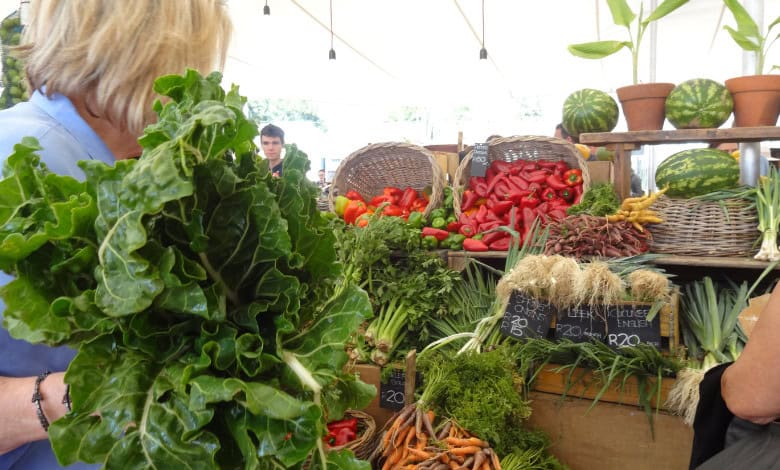
- Go local: Cook a meal using only locally sourced, seasonal ingredients from local suppliers. Plan a plant-based menu based on seasonal produce, find the ingredients at a local market or nearby shop, and prepare a delicious Mandela Day menu. By planning your meals and using up all your leftovers, you can also reduce food waste, which is a major contributor to our carbon footprint.
- Grow your own: Start a small vegetable garden. A few pots of herbs, spinach or tomatoes on a balcony or windowsill is enough to begin. Growing even a little of your own food cuts waste, saves money and reconnects the kitchen to the soil it depends on.
- Rub shoulders with your neighbours: Grab your neighbours, pick a green space and give it some attention together. Small acts add up to big impact. If one street per neighbourhood showed up for nature this Mandela Day, the collective effect would be felt long after 18 July.
Mandela Day is not a spectator sport and doesn’t have to cost a lot. Anyone can do these things, in their own neighbourhood and in their own time, because every meaningful movement begins with a single action.
That is why WWF’s campaign, anchored by the message Nature Is Our Home, asks South Africans to see nature not as separate from their lives, but as the foundation of their health, their livelihoods and their future, and to join a growing movement that understands caring for nature is the same as caring for ourselves, our communities and the generations still to come. This is where we live. It’s the only home we share.
Learn more about the campaign or find out about WWF programmes and how to get involved at www.wwf.org.za.
For more lifestyle news, visit Get it Magazine.