Northern Cape property surges as renewable energy drives further growth
The Northern Cape property market is booming, driven by renewable energy projects and mining growth. Sales, rentals, and investment demand are all on the rise.
The Northern Cape property market has seen somewhat of a surge with sales and rental prices up, and the interest rate cuts are expected to have a further positive impact, according to Jaco Badenhorst, sales manager for Seeff Country. Aside from local buyers, Seeff’s branches are reporting more buyers coming from Joburg, Pretoria and also the KZN region looking to move to small towns.
Price growth in the province is now among the best in the country at 4.75%, outdone only by the Western Cape and Limpopo, according to recent data from Lightstone. The average rental rate has reached R10,122 per month, up by a phenomenal 7.5% year-on-year, according to PayProp data. 81% of tenants are in good standing, the second-best market in the country in this regard.
Badenhorst says the market is dynamic, especially in and around the key mining and agricultural towns. That said, it remains the most affordable province in the country with its average price still at just R935,806. Most sales fall between R400,000 and R1.5m, and less than 2% above R2m.
The appealing climate, striking landscape, and property market driven by mining in towns like Kimberley and Upington attracts many buyers, he says. Aside from mining and agriculture being the main economic drivers, renewal energy is now a key growth sector. Solar projects such as Kenhardt and Redstone are attracting major investment, creating jobs, stimulating local economies, and increasing demand for property in the region.
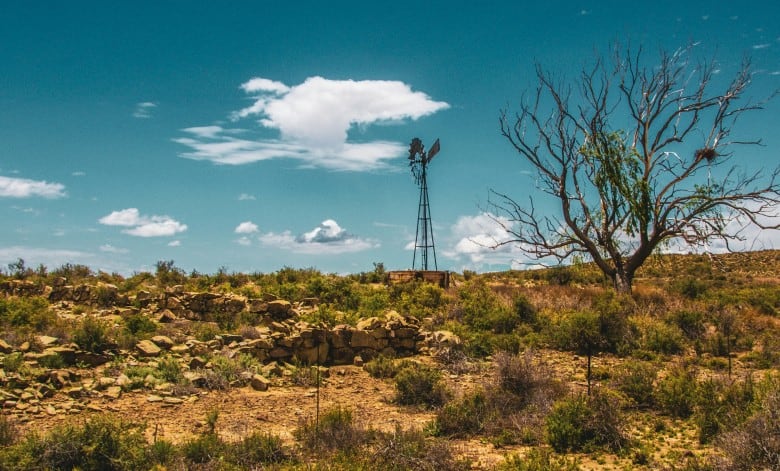
The climate and spectacular landscapes are big drawcards, from the fertile Orange River to the dusty, arid landscapes of the Kalahari and the beautiful Namaqualand flowers. The property market is heavily influenced by the mining sector, especially for towns such as Kimberley, Upington, Kathu, and Kuruman, says Badenhorst.
A steady influx of people, including contractors, continues to boost strong demand for homes to buy and rent. The province is also particularly appealing to buy-to-let investors who can purchase properties at a lower price point and still achieve strong rental yields, especially in the mining and agricultural hubs.
The Northern Cape is also unique in its high proportion of freehold properties which represents over 80% of the housing stock. For buyers seeking a traditional, freestanding house with a yard, the Northern Cape offers an abundance of options at affordable prices. There’s also a choice of productive and lifestyle farms, smallholdings, and game farms, which cater to a diverse range of buyers.
The area attracts a lot of younger buyers, with the majority being under 50-years old including first-time buyers while in the Upper Karoo region it is predominantly older buyers, over 50 years who are active in the market. For family buyers the area offers excellent value and a wholesome environment to raise children.
Kaylene Grasser from Seeff Springbok in the Namaqualand area says average house prices in Springbok range slightly higher at R1.9m – R2.2m while smaller towns average around R700,000. Lower price bands tend to be the most in demand, especially around R1m in Springbok or R500,000 in smaller towns.
The rental market remains strong, with an average rental price of R12,775 per month attracting investors. Many people rent before buying, including mine and renewable energy workers. The area’s tourism is also growing, thanks to the Namaqualand wildflowers and its strategic location on the N7 route to Namibia, offering lucrative opportunities for hospitality and tourism-related businesses.
Mariaan Booysen from Seeff Gariepdam, Colesberg and surrounds note the area’s popularity with retirees and downscaling buyers from Gauteng, KZN, and the Cape. Gariepdam is the main draw, with average house prices at R550,000 and rentals at R4,000. Three-bedroom homes with boreholes and guest houses are especially sought after.
Meanwhile Angelo da Silva from Seeff describes Upington in the Kalahari area as a growing town appealing to those seeking a small-town lifestyle. It serves as a hub for irrigated and cattle farms, solar farming, and business opportunities, and features top medical and boarding school facilities. Most buyers are locals or families from neighbouring towns. Average house prices are R1m – R2m, with rentals between R9,000 and R12,500, and higher for large homes on big plots.
Sanja Marais from Seeff Hopetown in the Great Karoo region highlights the Orange River and river rafting as big attractions. She notes that they are also seeing buyers coming from Joburg and Pretoria looking to relocate to a small town. The average house price in the area is R1.2m, and about R7,500 for a rental.
Issued by Gina Meintjies