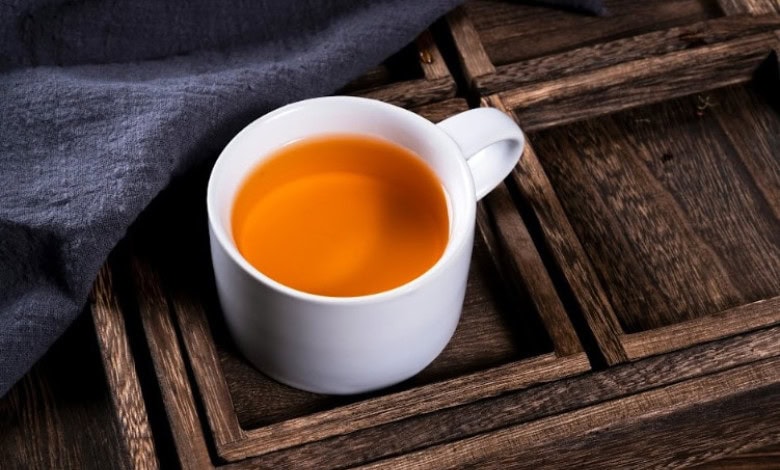
Whether you’re sipping Rooibos for relaxation, health benefits or just pure enjoyment, knowing the facts helps you appreciate this incredible herbal infusion even more.
- Myth: Rooibos is a type of tea
Fact: While Rooibos is often called “Rooibos tea”, “red bush tea” or “red tea”, it’s technically not a tea. True teas, like black, green, white and oolong come from the Camellia sinensis plant. Rooibos, on the other hand, is from the Aspalathus linearis shrub, which grows exclusively in South Africa’s Cederberg region in the Western Cape. It’s more accurately classified as an herbal infusion or tisane rather than a tea.
- Myth: Rooibos contains caffeine
Fact: Rooibos is naturally caffeine-free, making it an excellent choice for those looking to cut back on stimulants. Unlike black or green tea, which require decaffeination processes to remove the caffeine, Rooibos is completely caffeine-free straight from the plant. That makes it a perfect bedtime beverage or a gentle alternative for those sensitive to caffeine.
- Myth: All Rooibos is red
Fact: Red Rooibos gets its signature colour from a fermentation (oxidation) process, but there’s also green Rooibos, which skips the fermentation step. Green Rooibos has a milder, grassier taste and contains higher antioxidant levels than its red counterpart.
- Myth: Rooibos has the same antioxidant levels as green tea
Fact: While both drinks are packed with antioxidants, they contain different types. Rooibos is rich in aspalathin and quercetin, which have unique anti-inflammatory and heart-health benefits. Green tea, on the other hand, is high in catechins. Neither is superior – they simply offer different health perks.
- Myth: Rooibos cures diseases
Fact: While Rooibos has impressive health benefits, it’s not a miracle cure for diseases like cancer or diabetes. However, studies have shown that its rich antioxidant content may help to protect the heart and reduce the risk of cancer, type 2 diabetes and other lifestyle diseases. It also supports overall wellness and reduces inflammation, but is most effective as part of a healthy and balanced lifestyle – not as a substitute for medical treatment.
- Myth: Rooibos becomes bitter if steeped too long
Fact: Unlike green or black tea, which can turn bitter if over-steeped, Rooibos only gets stronger and richer in flavour the longer it brews. So go ahead – let that teabag sit a little longer!
Find out more by visiting the SA Rooibos Council.