Keep your pets warm and healthy
Give your pets their best life during winter with this guide.
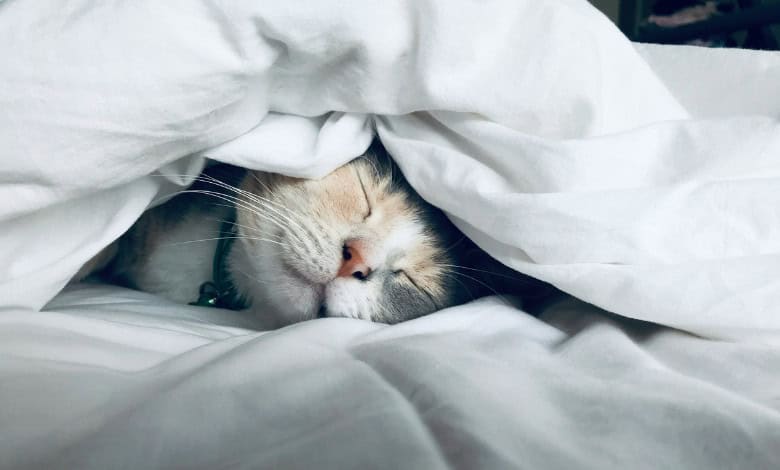
Just how we layer up, crave hearty meals and spend more time inside during winter, so your pets’ habits and needs change too. Give them everything they need to stay healthy, happy and warm with these seven tips.
1. Visit your vet
If your fur kid has chronic health issues, like diabetes, heart disease or arthritis, it can be even harder for them to self-regulate their temperature or move about. Keep an eye on them and visit the vet If you feel they are not themselves.
If they have not been diagnosed with arthritis or other joint issues but are showing signs such as limping, stiffness, reluctance to climb or jump, repeated licking over a joint, or changes in behaviour or personality, particularly during cold weather, it’s best to consult with your veterinarian.
2. Bring them inside
If you think it is cold outside, it’s too cold for your pup to be outside. Check that the sleeping area is away from drafty windows or doors. Try moving your their bed to a sunny area of the house or add a few extra blankets.
If you’re not home and they are outside, provide a warm shelter, such as a kennel designed for the cold. These shelters should be dry and kept a few inches off the floor, and have a covered doorway to keep the heat in. The kennel should be just big enough that your pup or feline friend can move easily, but just small enough to retain body heat.
3. Wipe their paws
To help prevent excessive licking of paws which can lead to an infection, try these tips:
- Always clean and dry those sensitive paws when they come back into the home, especially after a walk.
- It can also be helpful to keep the hair appropriately trimmed on the paws too.
- Dog boots are great for keeping your pup’s paws insulated while protecting from the elements and rough terrain.
- Snout and Paw Butter is a great way to help protect their nose and feet from the cold or from drying out.
4. Bundle them up
Small, short-haired, and short-legged breeds may need a jacket or sweater to help ward off the winter chill. Very young, senior, and sick pets should also wear an extra layer as they may not be able to regulate their body temperature effectively.
Make sure to choose something that fits well and does not restrict movement. Also consider a snood to protect his ears on especially cold days.
5. Keep giving flea meds
Flea meds are expensive, and it’s tempting to discontinue them during the cold winter months when fleas lie dormant. But if you don’t restart meds soon enough, you could quickly find your house overrun with fleas and have to bomb. It’s easier and safer, all around, to keep treating your pets for fleas through the winter, so they remain protected.
6. Brush out fluffy coats of fur
Matted fur does not provide the same insulation as a clean coat. In addition to keeping things clean, unbrushed hair might trap moisture, leading to discomfort and irritation.
7. Add more calories to the diet and offer extra water
Consider providing extra treats to help your furries stay warm after playing hard in the cold. It is also very important that they stay well-hydrated if they are going to be able to regulate their body temperature.
Content by Pet Heaven.
For more on pets, visit Get It Magazine.