
Connecting children with wildlife to save Africa’s heritage
A wildlife veterinarian hopes more African filmmakers will do more educational films for African children.
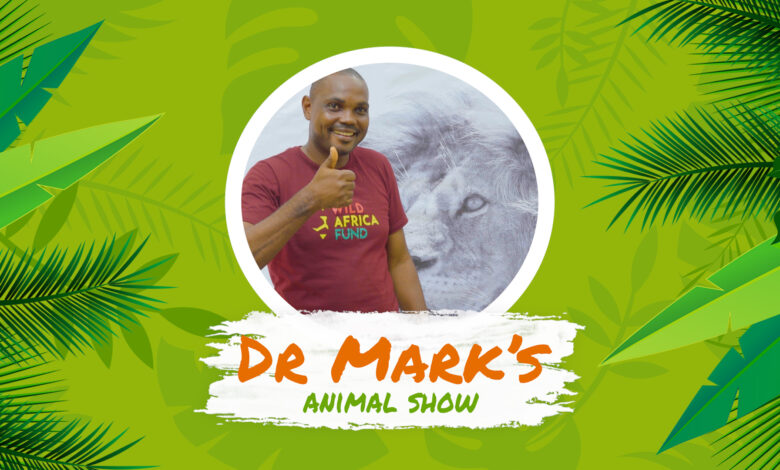
A new wildlife show, presented by an African veterinarian and aimed at children in Africa, aims to inspire them to become the custodians of a biosystem that is currently under severe pressure.
Alarming statistics reveal a 66% decrease in wildlife in the past 50 years.
“To reverse this trajectory, we urgently need to educate our children on the present conservation challenges, and the ones ahead,” says Dr Mark Ofua, a Nigerian wildlife veterinarian and presenter of Dr Mark’s Animal Show.
Dr Ofua says wild spaces support people by producing oxygen, purifying water, providing food, and offering protection against events like floods while wild animals also contribute by pollinating crops, dispersing seeds and recycling nutrients. But it does not end there.
Nature reserves bring in billions through wildlife tourism, boosting African economies and creating jobs. Tourism drives 8.5% of Africa’s economy, and 80% of those tourists come to see wildlife.
Dr Ofua warns that Africa’s wildlife is in grave danger.
“Since 1970 Africa has lost two thirds of its wildlife and many of the continent’s most iconic species are now endangered.”
Even in a country like South Africa, which has a long history of conservation, 17% of mammal species are threatened with extinction, while another 10% are considered near threatened.
Dr Ofua says despite the critical situation, millions of children across the continent struggle to understand how precious Africa’s wildlife is.
“The majority of those who live in Africa’s fast-growing cities will likely never see an elephant, lion, or rhino in the wild. They do not have the Africa of 50 years ago as a baseline to compare to, yet these losses will impact their lives in profound and long-lasting ways.”
By teaching children about their wildlife and exposing them to relatable role models, they can become advocates for conservation, help protect Africa’s natural resources and be the change the continent so desperately needs.
The importance of leading by example
“Think about it: How many interests have you picked up because you saw an adult doing it when you were a kid and thought it looked fun or interesting?”
“My interest in animals, which eventually led to my becoming a wildlife veterinarian, was inspired by the works of Gerald Durrell. The writer’s stories resonated with my childhood curiosity about animals. His accounts of travel through Africa, meanwhile, helped me realise that many of the stories we were told about wild animals like snakes, owls, and bats were myths,” says Dr Ofua.
“I have also come to realise how powerful it is for children to see people who look like them doing things they might never have thought possible. It’s one of the reasons why, together with the Wild Africa Fund, I’ve launched Dr Mark’s Animal Show.”
He explains that the show aims to bring animals to life and inspire the next generation of African wildlife guardians. It does so by highlighting both rare and common animal species, providing fun facts about them as well as diving into the challenges they face, and culminates in an engaging quiz.
“We have to remember that these young people will in a very short while be Africa’s policymakers, business people and leaders. Today, the challenge we face is that many African leaders do not fully grasp the importance of conservation and how it connects to our health and economy. If this next generation grows up passionate about the environment, strong conservation policies will follow,” says Dr Ofua.
Wildlife shows for African audiences
Dr Ofua says a lack of opportunities, along with the costs of production, have meant that wildlife shows and films about Africa often tend to be made by Western media for Western audiences.
“Our show is produced by African filmmakers for African audiences. Instead of learning about walruses and polar bears, kids can learn about African animals that live in their environments, and how their lives connect with those species.
“Rather than the conventional nature documentary showing unspoiled wildernesses, we get to grips with the realities wildlife face, introducing the children to animals I’ve helped rescue from the illegal wildlife trade or bushmeat markets, and talking to them about how they can help make a positive difference.”
Dr Ofua believes that other than inspiring the next generation of wildlife guardians, children can also wield a very strong influence on their parents.
“I find they very easily sway their elders to obey things such as traffic signs more than the threat of fines or anything else. Young people can bring this influence to bear in stopping their parents from destroying their surrounding environment or aiding activities like the illegal pet trade or bushmeat trade.”
Only the beginning
Dr Ofua says he is hopeful that more and more African wildlife filmmakers will enter the edutainment space, targeting African audiences. The ripple effects, particularly if they are picked up for distribution by major broadcasters and streaming platforms, could be enormous. The wider and more varied the reach, the better the chance Africa’s wildlife and people have.
*Dr Mark’s Animal Show will be available in 44 markets on Showmax from March 15.
Read original story on www.citizen.co.za

