
Flu season arrives early – get vaccinated now
A flu and respiratory virus double threat is here and experts say vaccination is the best defence, especially for those most at risk.
Flu and respiratory syncytial virus (RSV) seasons have kicked off at the same time, putting vulnerable groups, including older adults, children and pregnant women, at risk.
Flu season is declared when tracked cases stay above a set level for two consecutive weeks, explains the National Institute for Communicable Diseases (NICD). This year’s season started in the week of March 9, which is earlier than in recent years but similar to 2025, when it began in the week of March 24.
A senior communications manager for the NICD, Vuyo Sabani, says the 2026 RSV season started in the same week, which means clinicians could potentially see a high burden of patients with respiratory illness in the coming weeks.
Flu can lead to severe illness or death
According to Sabani, the common seasonal flu strains in humans are Influenza A(H3N2), A(H1N1)pdm09 and influenza B. Most people experience mild illness that usually resolves within three to seven days, but flu can sometimes cause severe illness, hospitalisation or even death, particularly in high-risk groups.
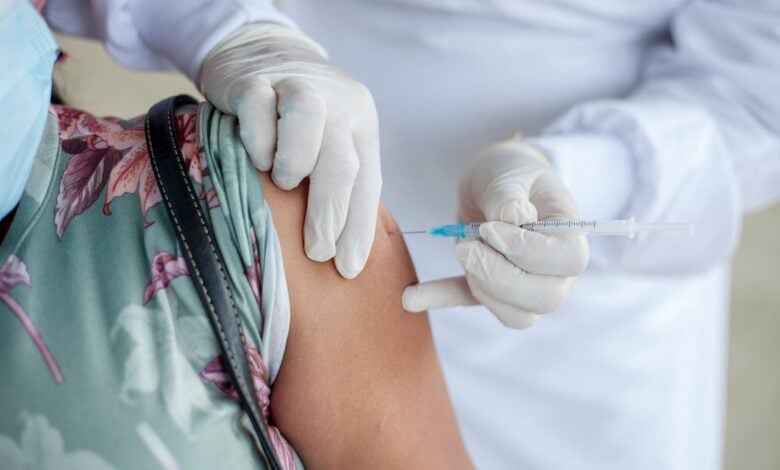
He said vaccination is recommended to protect against infection and serious complications.
Sabani explains that the influenza vaccine works best if given before the season starts, as it takes about two weeks for protection to develop. However, it is still beneficial to vaccinate once the season has begun.
He says the vaccine is now available at pharmacies and urges people in high-risk groups to get vaccinated as soon as possible, because of the early start to this year’s flu season.
High-risk groups
People who are more vulnerable to serious illness include:
• Pregnant women
• Individuals living with HIV
• Individuals with chronic conditions like diabetes, lung disease, tuberculosis, heart disease, renal disease and obesity; individuals above 65; and children under two (the flu vaccine can only be given to children from six months of age)
“These groups should be encouraged to seek medical help early if they develop respiratory symptoms which are not resolving,” Sabani states.
Respiratory illness worse in young children
RSV is the leading cause of bronchiolitis and lower respiratory tract infections in young children and can lead to severe illness in infants. It is highly contagious, primarily spreading through respiratory droplets. The RSV season typically begins in mid-February, with the onset ranging from late January to late February, usually preceding the influenza season. This year, the RSV season has started later than usual.
To reduce the spread of flu and RSV in your community, remember to:
• Wash your hands often
• Cover coughs and sneezes with your elbow or a tissue
• Avoid close contact with people who are sick
• Stay home if you are feeling unwell
Weekly updates on influenza and other circulating respiratory viruses such as RSV, Covid-19 and pertussis are available from the NICD. Click here to visit the page.
For more information on public health, visit the NICD website here
Breaking news at your fingertips… Follow Caxton Network News on Facebook and join our WhatsApp channel.
Nuus wat saakmaak. Volg Caxton Netwerk-nuus op Facebook en sluit aan by ons WhatsApp-kanaal.
Read original story on www.citizen.co.za

