
New system implemented to deal with police DNA testing backlog
The testing of specimens for DNA also reached a bottleneck which resulted in an accumulative backlog of over 170 000 samples.
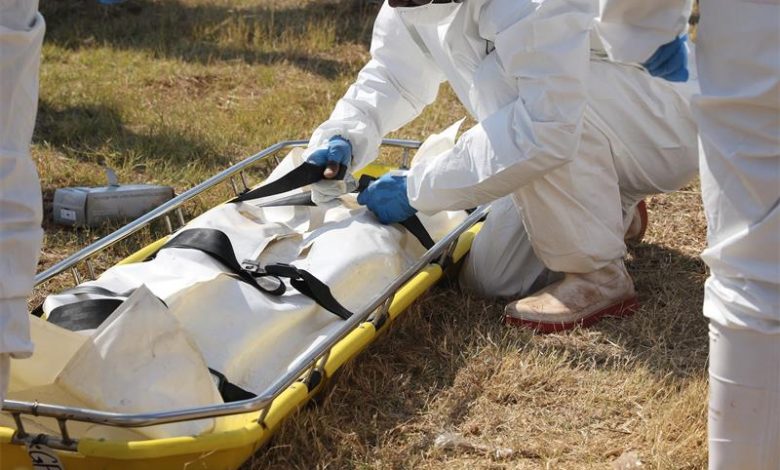
A new DNA system with a track and trace functionality has replaced the previous system run by the police after enormous backlogs due to a lack of quantification kits.
National police spokesperson Brigadier Vish Naidoo said through the forensic exhibit management system, “which is now fully up and running”, the police could now speedily tackle challenges such as locating the source and storage of forensic evidence.
Naidoo said that “there is a light at end of the tunnel on the DNA testing backlog”.
He said the South African police service management confirmed great strides were being made to overcome the DNA testing backlog with the new system.
He said the DNA system, also followed reports of the “disappearance” of millions of forensic exhibits at the national forensic DNA database due to the property control and exhibit management system being shut down by the service provider in June 2020.
“Since then, the South African Police Service has worked together with the State Information Technology Agency (SITA) to develop the new system, where samples can be tracked and traced at the click of a button.”
The new forensic system went live in April 2021, and has since had about 10 million samples from the forensic laboratory admin system loaded into it.
Naidoo said currently, nearly 25 000 new exhibits had also been loaded into this system.
“The testing for DNA reached a bottleneck which resulted in an accumulative backlog of over 170 000 samples.”
According to Naidoo, this emanated from the shortage of quantification kits or so-called “DNA consumables” that are essential for DNA testing at the SAPS forensic science laboratories.
He said the SAPS had finalised a two-year contract with a service provider to supply the much-needed consumables and before the quantification kits could be procured from this service provider, the validation of the kits had to be processed.
“It is a process that is absolutely necessary to ensure that consumables used for this DNA testing are indeed valid for this process.”
Naidoo stated the process was expected to conclude in the next two months.
“In the meantime, the SAPS has procured enough quantification kits on a quotation basis to last at least three months, so that the backlog, as well as the testing of new samples, can continue allowing enough time for the validation process to be completed.”
He said the police management wanted to assure the nation that the backlog in the forensic laboratories was being dealt with the urgency needed. However, prioritised backlogs were of cases where DNA samples were required for court cases, related to gender-based violence as well as the identification of persons for burials.
“All hands are on deck at the SAPS forensic science laboratories to urgently tackle the existing backlogs. The workforce of the forensic analysts there has been adjusted to allow for overtime work.”
He said the prioritisation of the DNA samples was already bearing fruits, as recently a Benoni man was confirmed a serial rapist after being positively linked to 60 rape cases through DNA identification.
“This man was arrested earlier this month, on a single rape charge and the evidence collected at the crime scene matched evidence collected in 59 other cases to which this man has been connected.”
He said police management were satisfied with the progress made since the introduction of the SITA developed forensic evidence management system and remained encouraged by the continuation of the DNA testing due to the availability of quantification kits.
“With all the new measures put in place, the management of the police service believes a resolution in this matter is well within reach.”
Read original story on rekord.co.za

