
President to send delegation to White House over US trade tariffs
US trade tariffs threaten SA’s automotive sector, with government warning of major job and investment risks if no agreement is reached.
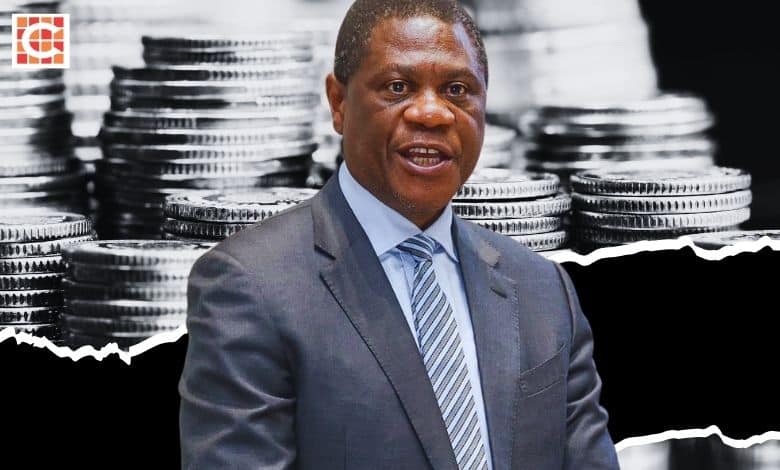
Deputy President Paul Mashatile has announced that President Cyril Ramaphosa will send a delegation to the White House to discuss trade tariffs with United States President Donald Trump’s administration.
Mashatile said the recently announced tariffs could disrupt trade flows and undermine the global competitiveness of the local automotive sector.
As of August 8, a 30% tariff on all South African goods entering the United States is in effect.
“We will continue engaging with the USA to identify practical solutions. The president will be sending the delegation once again to the White House to engage with the US administration on this matter,” he said.
The deputy president delivered a keynote address at the National Association of Automotive Component and Allied Manufacturers (Naacam) Show 2025, a premier forum showcasing the capabilities of the domestic automotive component manufacturing sector in Gqeberha, Eastern Cape.
Benefits and global trade links
Mashatile highlighted the importance of the African Continental Free Trade Area agreement on economic integration and industrialisation, which is projected to draw additional international investment into the African automotive industry.
Creating a single continental market for goods and services could lead to increased trade, investment, and job creation within Africa.
“However, this does not suggest that we do not need other nations as trading partners. We believe in diversifying our investments and engaging in trade with several partners.”
Impact of tariffs on the automotive industry
Mashatile said Cabinet is committed to protecting the economic interests of the country and is working to strengthen the economy and address unemployment, poverty, and inequality.
“I must highlight that there will be repercussions felt throughout the entire value chain if we do not reach an amicable trade agreement with the White House.”
He warned that South African suppliers supporting domestic original equipment manufacturers exporting automobiles or integrated systems to the United States could face volume reductions.
“This will put pressure on production planning, employment decisions, and investment choices.”
He added that South African automobiles and components would face a direct rise in landed costs in the US market.
“Because of this, they would be unable to compete with goods from nations that have continued preferential or zero-duty access, such as those in the USMCA [United States, Mexico, Canada Agreement].
“Overall, the imposed tariffs threaten to disrupt well-established trade flows and weaken the global competitiveness of South Africa’s automotive manufacturing ecosystem.”
Resilience and collaboration
Despite the challenges, Mashatile said South Africa remains resilient in its efforts to grow and protect the economy.
He called for collaboration between government and the private sector to address import dependence, infrastructural inadequacies, the transition to electric vehicles and the 30% tariff increase.
Mashatile praised Naacam for investing heavily in localisation, transformation, and supplier development in South Africa.
Economic significance of the sector
The automotive industry plays a key role in the country’s GDP and employment. It accounts for 22.6% of manufacturing output and contributes 5.2% to GDP.
The sector employs about 115 000 people, with over 80 000 in the component sector. In 2024, the component sector exported R62.5b worth of components.
“We must never allow the loss of these gains because of external and internal pressures. I say this with concern because the employment levels in the sector have been under strain due to ongoing economic pressures and reduced production volumes.”
In the past two years, Naacam has reported the closure of 12 companies, affecting over 4 000 people.
Addressing unemployment
Mashatile said the latest unemployment figures show the urgency of tackling joblessness.
“We need to do more to combat unemployment, which might include improving education and skills to match labour market demands, promoting entrepreneurship and small enterprises, and investing in public employment programmes to generate jobs.”
He said government is committed to working with all sectors to create jobs and improve living conditions.
“As the government, we recognise the industry’s significant role and see it as the backbone of our economic growth, promoting industrial development and encouraging innovation.” – SAnews.gov.za
Breaking news at your fingertips… Follow Caxton Network News on Facebook and join our WhatsApp channel.
Nuus wat saakmaak. Volg Caxton Netwerk-nuus op Facebook en sluit aan by ons WhatsApp-kanaal.
Read original story on www.citizen.co.za

