
Severe weather and floods: Keep safe with these guidelines
Above-normal rainfall is expected in parts of South Africa this summer, with AfriForum offering a flood safety guide to help communities prepare for potential flooding amid changing weather patterns.
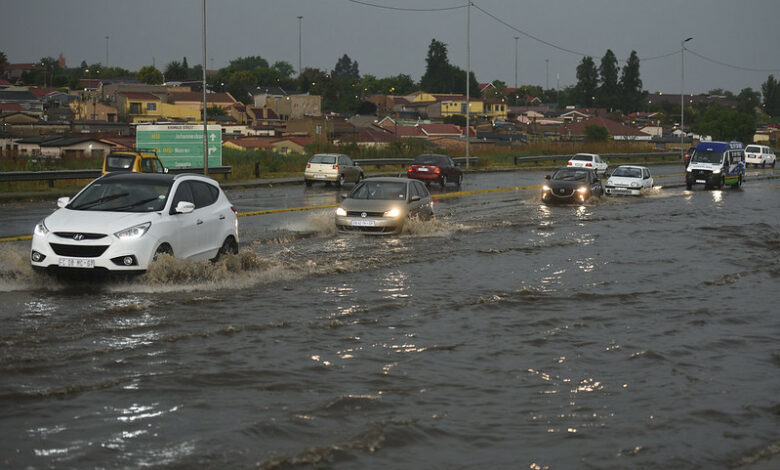
South Africans seem to have had their fair share of severe weather in the last few months, experiencing snow, floods and even tornado-like storms.
Seeing as the rainy season is yet to fully start in the northern parts of the country, citizens can prepare themselves for even more rain to fall.
The South African Weather Service said in its latest seasonal forecast that current predictions show above-normal rainfall for most north-eastern summer rainfall regions during summer.
However, some interior regions still indicate below-normal rainfall for the mid- and late-summer seasons.
The service made it clear that these predictions may change as summer progresses.
“As such, continued monitoring of future seasonal climate watches is advised. Minimum and maximum temperatures are expected to be mostly above-normal countrywide for the forecast period.”
Keeping the rainy season in mind, civil rights organisation AfriForum has made a guide available to keep communities safe during floods.
“It’s important that communities and households know what to do before, during and after a flood and this guide contains all the elements to ensure that they and their loved ones escape a natural disaster safely,” says Tarien Cooks, disaster management specialist for AfriForum.
Cooks points out that climate change is having a noticeable impact on South Africa’s weather patterns, which increases the risk of intense rain and floods. In the past few years, climate change’s effects have been felt increasingly, with abnormal rainfall and extremely hot conditions in places.
“These changes contribute to the intensity and frequency of possible floods, which can have a devastating impact on communities and infrastructure. More training should be done and even more awareness should be created in communities to draw up contingency plans to mitigate the impact of a disaster,” she adds.
How to be prepared before disaster strikes
AfriForum suggests the following tips to be prepared in the event of flooding within communities.
- Know the flood risk of your area.
- Keep up to date with weather warnings: https://www.weathersa.co.za.
- If flash flooding is a risk in your area, monitor potential signs such as heavy rain.
- Learn and practice evacuation routes, shelter plans and flash flood response plans.
- Gather supplies in case you must leave immediately or if services are cut off. Keep each person’s specific needs in mind, including medication. Don’t forget the needs of your pets. Remember extra batteries and charging devices for phones and other critical equipment.
- Obtain flood insurance.
- Keep important documents in a waterproof container. Create password-protected digital copies.
- Protect your property: Move valued items to higher levels; clean drains and gutters; install check valves; and consider getting a sump pump with a battery.
What to do if you are impacted by a flood
- Listen to the radio, weather services or alerting systems for current emergency information and instructions (eg, local WhatsApp groups or two-way radio systems).
- If you are told to evacuate, do so immediately.
- Depending on where you are, and the impact and warning time of flooding, go to the safe location that you have identified.
- Do not walk, swim or drive through flood waters; rather turn around. Approximately 15cm of fast-moving water can knock you down, and about 30cm of moving water can sweep your vehicle away.
- Never drive around barricades; local emergency responders use them to safely direct traffic away from flooded areas.
- Stay off bridges over fast-moving water. Fast-moving water can wash bridges away without warning.
- If your vehicle is trapped in rapidly moving water, stay inside the vehicle. If water is rising inside the vehicle, climb on top of the roof.
- Determine your best protection based on the type of flooding.
- If you are outside, move to higher ground. If you are trapped in a building, go to its highest level. Do not climb into a closed attic or room as you may become trapped by rising floodwater. Only go out onto the roof of a building if it is necessary and signal for help.
- If you are in a safe place already, stay where you are.
To read AfriForum’s full safety guide regarding floods, click here.
Read original story on www.citizen.co.za

