KZN Premier Thami Ntuli said the situation was akin to a disaster but making the matter official required national government assessment
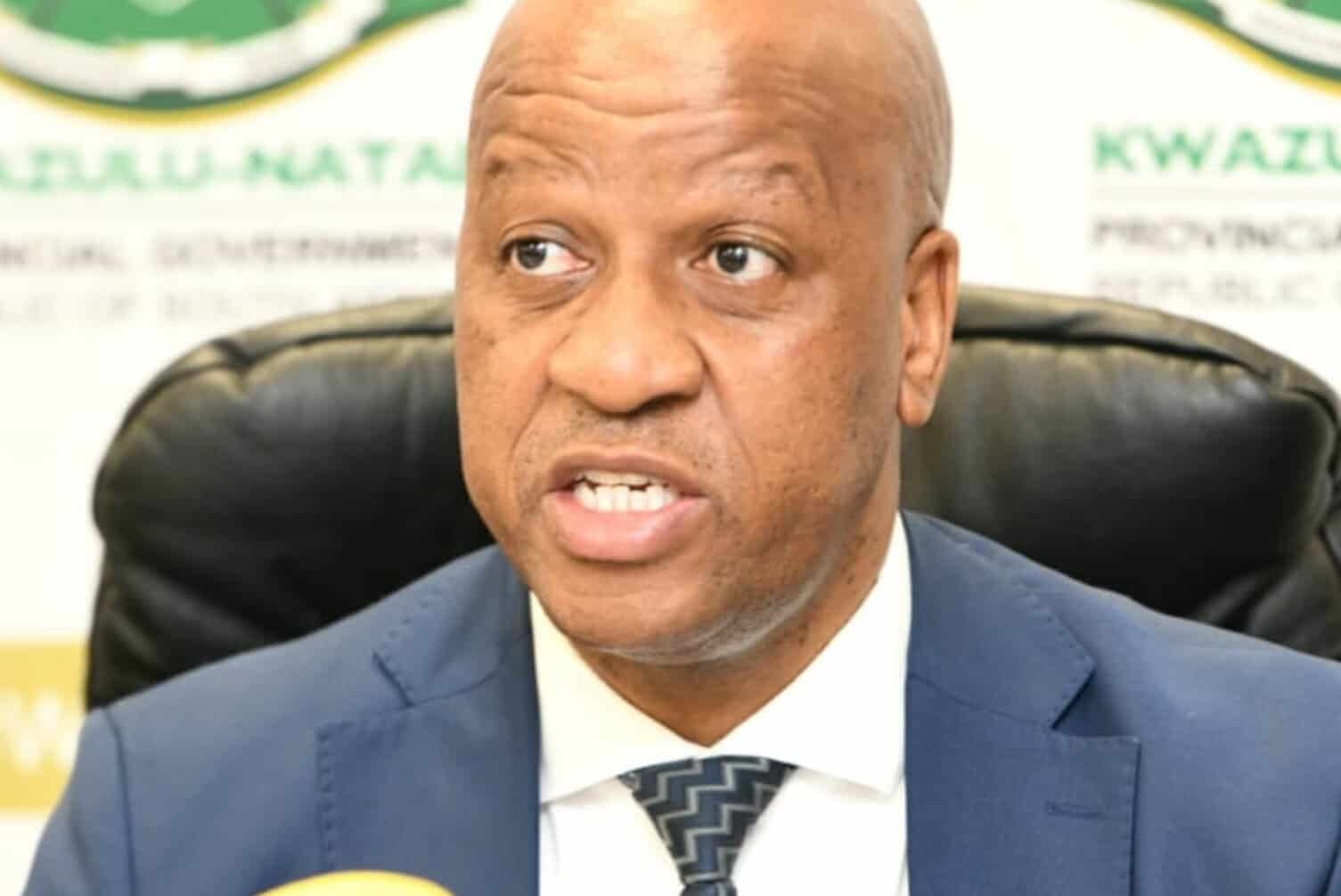
KZN Premier Thami Ntuli. Picture: Supplied / @kznpremier


The KwaZulu-Natal (KZN) government has not declared a state of disaster over foot-and-mouth disease (FMD), but says it is facing conditions consistent with a disaster.
Premier Thami Ntuli on Friday briefed the media as pressure mounts from an agricultural sector demanding action from government entities.
He stated that KZN had now become the focal point of the FMD fight as the province now has cases of the disease, 207 in total, in all districts.
FMD in KZN
The premier stated that management authorities had submitted assessments to national government, with multiple departments requiring consultation.
He said that what was being experienced by the farming community justified an urgent reclassification to safeguard the economy of KZN and adjacent provinces.
“We felt that even though there is a process in place, we needed to communicate the state of disaster we see on the ground,” said Ntuli.
While provincial government waits, Ntuli said there will be a prioritisation of surveillance, biosecurity, vaccination and a phased rollout of a livestock identification and tracing system.
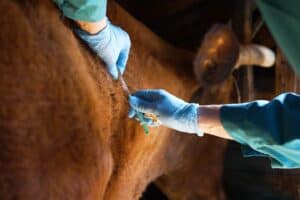
He said 800 000 cattle had been vaccinated in the province since the re-emergence of FMD in 2021, 324 000 in this financial year.
The primary cause of the FMD spread is diseased livestock coming into contact with healthy animals, with awareness campaigns yielding varying results.
“Let me emphasise that adherence to animal movement regulations is not optional. Illegal movement of livestock continues to undermine containment efforts,” stated Ntuli.
Onderstepoort vaccine production
Minister of Agriculture John Steenhuisen was at Onderstepoort veterinary facility on Friday to oversee a ramping up of vaccine production.
The Agricultural Research Council’s Onderstepoort facility produced an initial batch of 12 900 vaccine doses and will increase weekly production to 20 000 by March.
Vaccination of the national herd is the primary strategy of the ministry, which aims to vaccinate 80% of targeted herds and reduce cases by 70% within 12 months.
“This vaccine will ensure South Africa’s vaccine sovereignty in dealing with foot-and-mouth disease.
“Never again will we have to, unless we’re required to for the sake of volume, go to other countries to rely on the vaccine,” said Steenhuisen.
*Additional reporting by Enkosi Selane
NOW READ: South Africa produces first locally manufactured foot-and-mouth vaccine in 20 years
Support Local Journalism
Add The Citizen as a Preferred Source on Google and follow us on Google News to see more of our trusted reporting in Google News and Top Stories.