


The Bronkhorstspruit Water Treatment Plant was temporarily shut down in February, also due to poor water quality
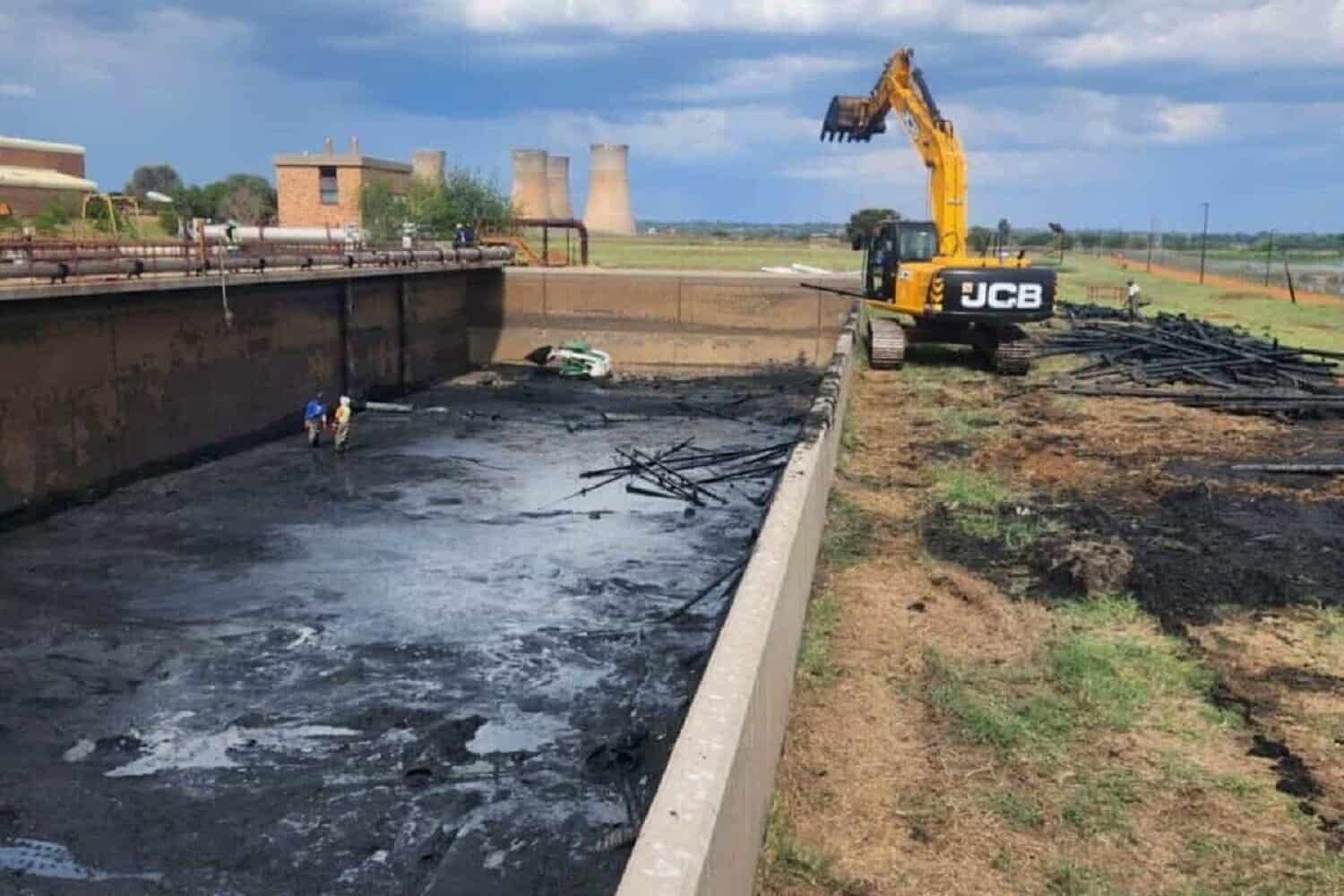
Image used for illustration. Picture: X/@nasiphim


The City of Tshwane on Sunday announced that the Bronkhorstspruit Water Treatment Plant has been shut down because of poor water quality.
Poor water quality
The city blamed the recent heavy rains for the water having high turbidity levels. Turbidity refers to the cloudiness of water.
A high turbidity could mean above-average levels of silt, clay, organic matter, algae and bacteria in the water. It can also indicate the water is polluted with heavy metals and pathogens.
“Turbidity levels in the raw water are very high, which has negatively affected the treatment processes and makes it unsafe to continue normal treatment operations at this stage,” said the City of Tshwane.
ALSO READ: No typhoid found in Tshwane’s water supply
In addition to the poor water quality, the raw water pump at the treatment plant is also being stripped.
“The decision to halt treatment during periods of extreme turbidity – when mud, suspended solids and debris surge into the river following heavy rainfall, is intentional and precautionary. Continuing to operate under such conditions risks compromising water quality and endangering both residents and the infrastructure,” the city said.
“Pausing production when raw water becomes temporarily untreatable is therefore the correct technical response. It prevents non-compliant water from entering the supply system and protects the mechanical integrity of raw water pumps that are highly susceptible to damage during these events.”
Possibility of no water or low pressure in City of Tshwane
The city warned that the water levels in Tshwane’s reservoirs will have to be managed during the treatment plant’s shutdown. It said this could lead to low water pressure or no water in some areas.
“While the plant remains offline, the available storage in the Bronkhorstspruit/Zithobeni and Ekandustria reservoirs will continue to be carefully managed,” it said.
“Residents may, however, experience low water pressure and eventually no water in some areas if consumption remains high and storage levels drop faster than anticipated.”
The city added that the Bronkhorstspruit Water Treatment Plant will only resume operations once the raw water quality improves and the work on the pump is complete.
Problematic water treatment plant
This isn’t the first time the treatment plant has been shut down this year.
In February, it was also taken offline after heavy rains affected the raw water quality. This left several areas without water.
ALSO READ: Bronkhorstspruit Water Treatment Plant shut down due to poor water quality
Then, in March, Bronkhorstspruit residents protested after going weeks without water. A pump breakdown at the treatment plant was blamed for that outage.
A few months later, maintenance work at the treatment plant led to water shortages in Bronkhorstspruit, Ekandustria, Ekangala, Rethabiseng, Riamarpark and Zithobeni for 11 days.
This week, DA spokesperson for utilities in Tshwane, Themba Fosi, said his party is concerned about the reliance of water tankers in Ekangala, which is supposed to get water from the Bronkhorstspruit Water Treatment Plant.
Fosi said the community had no access to clean water after production at the Bronkhorstspruit Water Treatment Plant was temporarily reduced.
He said the Department of Water Affairs’ blaming poor water quality after heavy rains points to a lack of water infrastructure maintenance and emergency preparedness.
“The DA will continue to monitor this situation closely and hold the department accountable until a sustainable solution is implemented… We are committed to ensuring that the residents of Ekangala receive the reliable water service they deserve,” said Fosi.
The City of Tshwane, however, said the shutting down of the Bronkhorstspruit Water Treatment Plant is not due to mismanagement, but to the challenges presented by taking water directly from a river.
“Bronkhorstspruit is one of the few city plants that abstract directly from a river rather than from a dam.
Unlike dams, which function as natural settling basins, rivers carry untreated, fast-moving, muddy water immediately after rainfall. This raw water becomes highly unstable and impossible to treat for several hours or days after storms.
“This is an inherent design characteristic of river-fed plants worldwide and not a sign of mismanagement, neglect or a newly emerging trend. Bronkhorstspruit’s sensitivity to turbidity spikes is therefore expected during heavy rainfall and must be managed through operational shutdowns to uphold water safety.”
Support Local Journalism
Add The Citizen as a Preferred Source on Google and follow us on Google News to see more of our trusted reporting in Google News and Top Stories.

