


While fatalities often dominate headlines, thousands of South Africans survive road accidents every year.
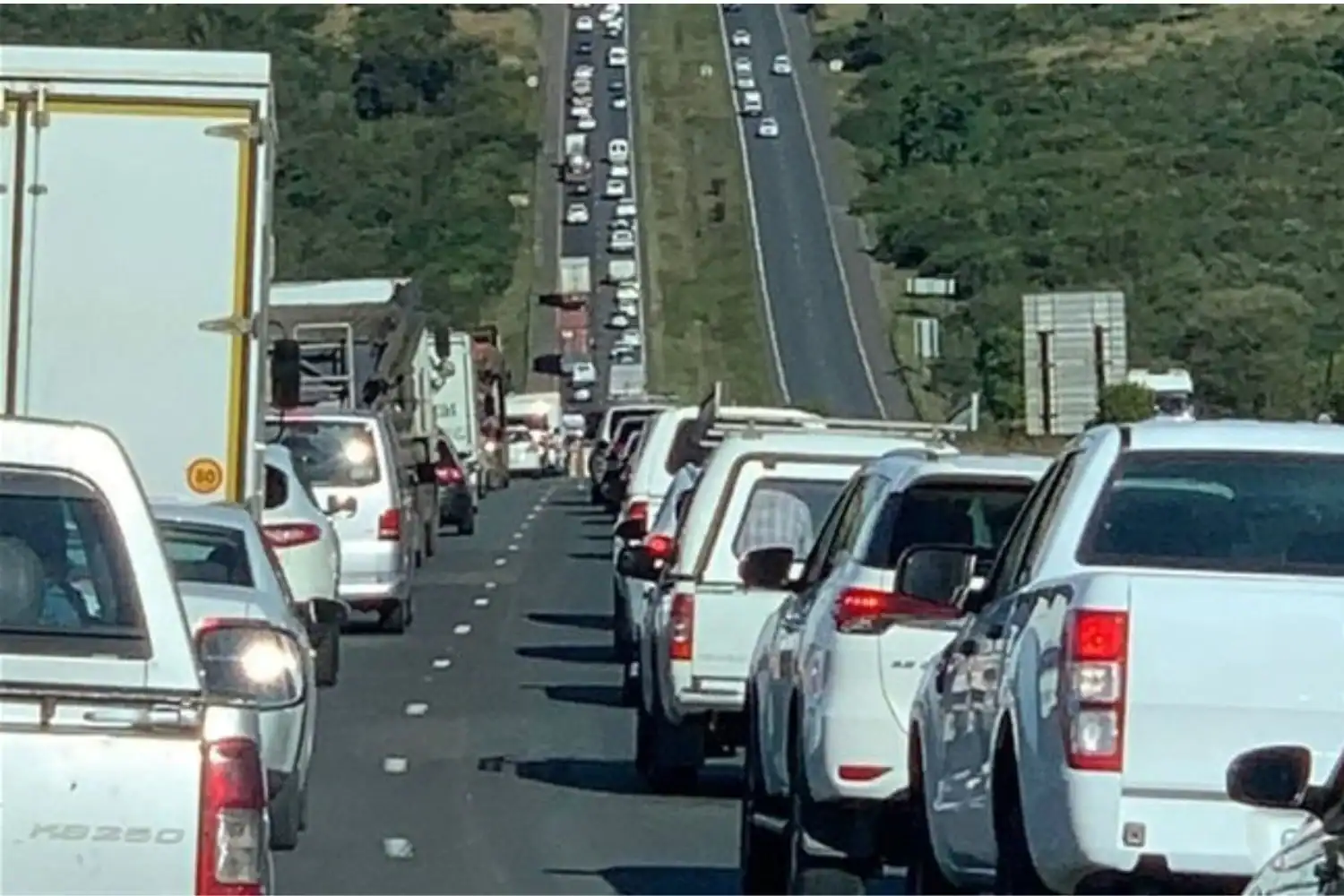
Interprovincial highways are expected to be extremely busy as thousands of people hit the road this weekend. Photo: Supplied


With traffic volumes expected to surge over the Easter weekend, authorities across South Africa have rolled out road safety campaigns to curb accidents and fatalities.
Holidaymakers, travellers and churchgoers are expected to embark on journeys and religious pilgrimages during the long weekend, which begins on Good Friday, 3 April 2026.
Accidents
Traffic volumes are forecast to rise sharply on all major routes leaving industrial hubs from Thursday.
While fatalities often dominate headlines, thousands of South Africans survive road accidents each year, many left to grapple with the long-term consequences of serious injury.
These injuries can render individuals unable to work, support their families, or resume normal life. Breadwinners suddenly become dependents, and households face mounting medical bills, emotional trauma, and financial uncertainty.
ALSO READ: Planning an Easter exodus? Here’s what days will be the busiest on the N3
Tragedy
Despite the scale of the problem, many remain unaware of their rights to financial support through the Road Accident Fund (RAF).
“The tragedy doesn’t end at the roadside,” says Amanda Rogaly, CEO of RoadCover. “Every day we see people trying to rebuild their lives after an accident without understanding their rights or how to access the support available to them.”
RAF
The RAF compensates victims of motor vehicle accidents caused by negligent driving, covering medical expenses, loss of income, and, in severe cases, long-term damages or loss of support for dependents.
Yet the claims process is complex, highly regulated, and time-sensitive. Many claims are never submitted, while others fail due to incomplete documentation, missed deadlines, or insufficient legal knowledge.
Gaps
Rogaly warns of a significant gap between what victims are entitled to and the payouts they actually receive.
“Not because the system doesn’t work, but because people don’t know how to access it correctly. This gap becomes especially visible after high-risk travel periods such as Easter, when fatigue and risky driving behaviour contribute to a spike in accidents.”
While public safety campaigns urge responsible driving, experts call for equal focus on preparedness and awareness – ensuring motorists not only follow the rules of the road but also understand their rights should tragedy strike.
Bribes
Traffic officers have also come under scrutiny, with a warning that those who accept bribes from motorists during the upcoming Easter break will be “fired”.
This is a “promise” and warning from Makhosini Msibi, the CEO of the Road Traffic Management Corporation (RTMC).
Addressing the National Traffic Police in Tshwane on Tuesday, ahead of their deployment to the roads, Msibi called on the traffic officers to make a difference in the country by reducing vehicle road fatalities.
NOW READ: Petrol price shock hits at midnight: Here’s what you’ll pay
Support Local Journalism
Add The Citizen as a Preferred Source on Google and follow us on Google News to see more of our trusted reporting in Google News and Top Stories.

