


Aucamp said farmers were advised to match animal numbers to available grazing and feed.
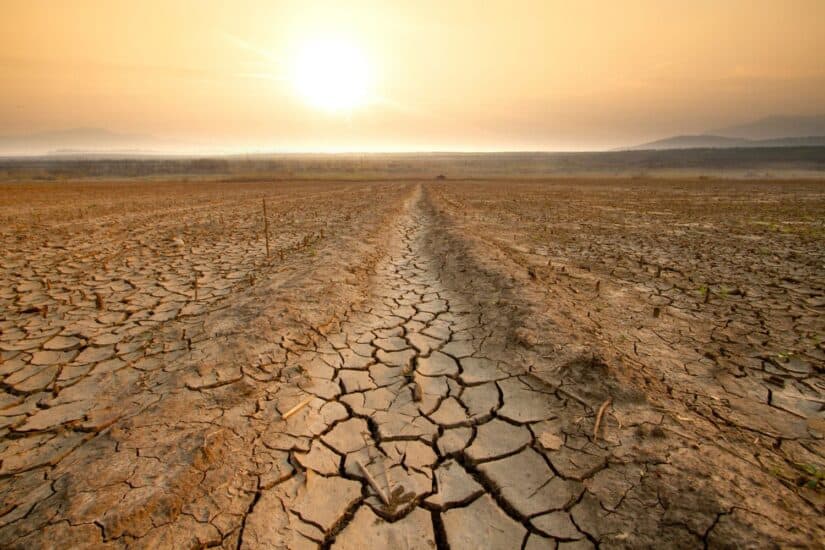
South Africa is bracing for one of the most powerful El Niño events on record, with scientists warning of soaring temperatures, below‑normal rainfall. Picture: iStock


Agriculture Minister Willie Aucamp said his department relies on disaster risk reduction to shield farmers from the coming El Niño.
He recently made the remarks in a written parliamentary reply to IFP MP Inkosi Russel Nsikayezwe Cebekhulu.
Why small-scale farmers were a concern
Cebekhulu pointed to the dangers already building across the sector.
“With the 2026-27 El Niño already bringing reduced rainfall and the prospect of crop failures, livestock losses, water restrictions and increased pests and diseases,” Cebekhulu said.
He then asked about help for farmers with limited money.
“What contingency measures has his department put in place to protect particularly small-scale and/or emerging farmers who lack the resources to implement costly measures to adapt to the El Niño climate?”
Prevention, support and insurance
Aucamp said the department backed hardier crop varieties and listed cultivars on the National Variety List.
It also runs the Comprehensive Agricultural Support Programme, which funds infrastructure, inputs, irrigation and mechanisation.
“The Department’s approach is centred on disaster risk reduction through the implementation of preventative, mitigation and preparedness measures,” according to Aucamp.
Farmers funded through the Blended Finance Scheme have to take out insurance worth 6% of their approved loan.
“This serves as a risk-transfer mechanism to protect farming enterprises against potential losses arising from adverse climatic events and other unforeseen risks,” Aucamp said.
Livestock advice during drought
Aucamp said farmers were advised to match animal numbers to available grazing and feed.
This includes selling older or unproductive animals.
“Farmers are also encouraged to maintain adequate feed reserves for breeding stock, provide supplementary feeding where required, ensure reliable access to water through the development of additional water points, and implement sound animal health management practices,” Aucamp said.
“Regular veterinary inspections, disease surveillance programmes and timely vaccination campaigns remain critical components of reducing livestock losses and improving herd productivity,” he added.
What happens if a disaster strikes?
Aucamp conceded that prevention might not always be enough.
“Despite the implementation of prevention and mitigation measures, the impacts of severe natural hazards may exceed the coping capacity of affected communities or sectors,” Aucamp said.
In such cases, the department worked under section 23 of the Disaster Management Act to classify the disaster.
A declaration could follow at the local, provincial or national level.
“Following the classification or declaration of a disaster, mechanisms for post-disaster response, recovery and rehabilitation are activated to support affected farmers and agricultural communities,” Aucamp stated.
Funding for recovery comes from section 56 of the Act and the National Disaster Management Framework.



