
Fascial treatment, when performed correctly, should involve gentle touch rather than simply forcing tissue through pressure.

Fascia massage is having a huge moment. Picture Supplied


Going for a massage is sacred by its very nature because, these days, it’s one of the few opportunities to tune out. It’s also a self-care moment, and fascia is holding that space right now. Treatments promise freer movement, less pain and better results beyond the usual, traditional massage-type therapy. It’s all about connective tissue in your body.
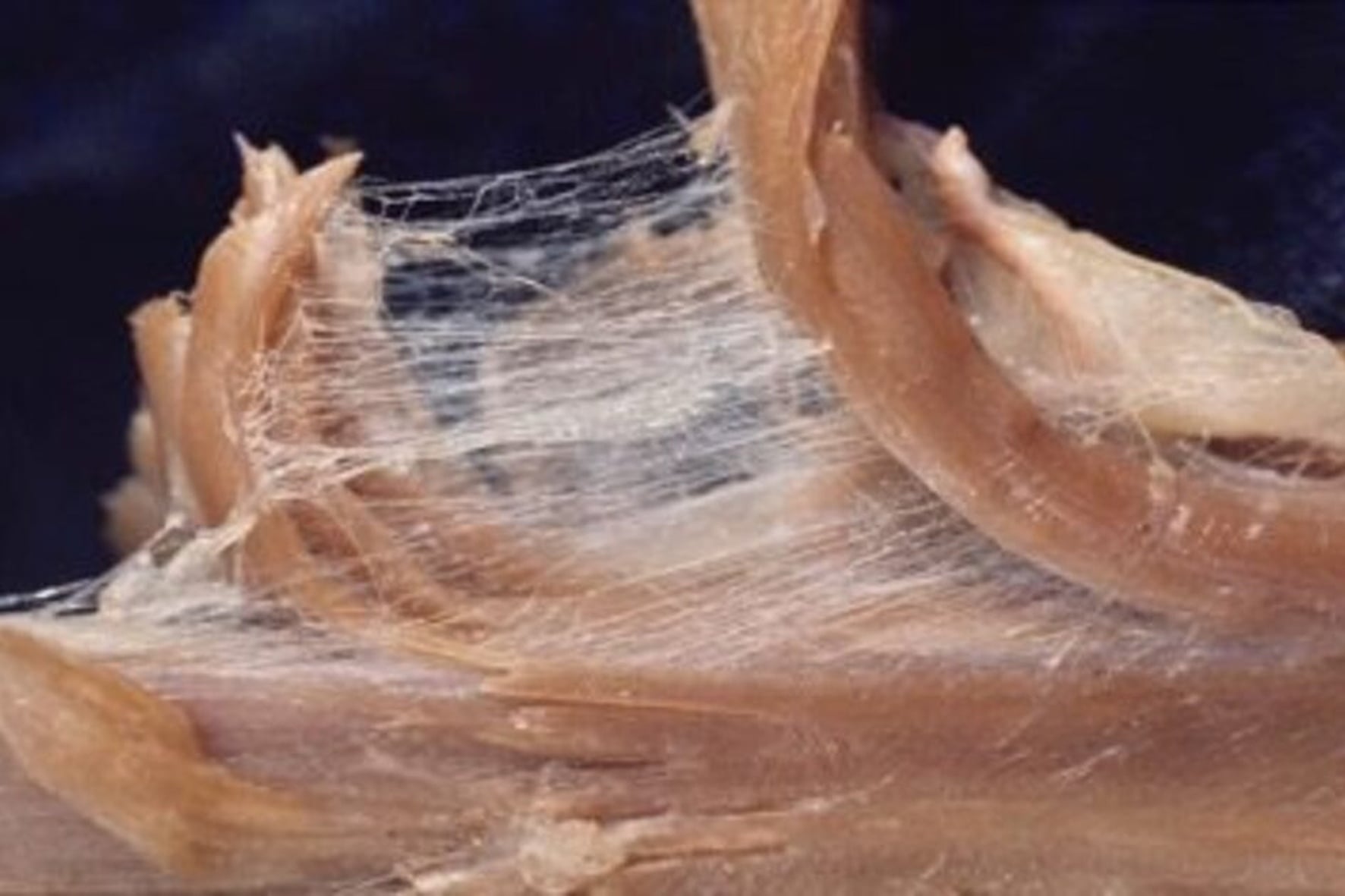
Cranio Sacral Fascial Therapist Julia Hastie said fascia is a web of connective tissue around and between muscles, bones, nerves and organs, stretching throughout the body. She said its importance was overlooked while attention traditionally fell on muscles, bones and individual structures when it comes to massage.
“It is the matrix or fabric that holds us up and keeps us together, and the organs, muscles, bones and brain all sit within this web,” she said.
“I think it’s the buzzword now because it used to be ignored, pushed aside to study muscles, bones and organs, and now the awareness of how much it affects us is becoming better known,” she said.
Fascia and deep tissue massage are not the same thing. Somatologist at Evermore Venue and Spa Mpho Moleka said deep tissue massage uses slow, firm pressure to reach deeper muscle layers and surrounding connective tissue, generally targeting knots, persistent muscular tension and restricted movement.
“So while deep tissue massage works mainly on the muscle itself, fascia release works on the wrapping around the muscle and the way that wrapping connects to the rest of the body,” Moleka said.
“The two are best thought of as different layers of the same job, not competing treatments.”
The connectors across your body
The experience can also differ greatly for the recipient, Hastie said. Fascial treatment, when performed correctly, should involve gentle touch rather than simply forcing tissue through pressure. Treatment may concentrate on a knee, neck or another area depending on what the practitioner finds, while recognising that fascia forms a connected network.
Sitting behind a desk for hours, poor posture and a lack of movement may aggravate stiffness, while old injuries and surgical scars can also influence how people move. Hastie said restriction can become self-perpetuating when someone starts moving differently because an area feels tight.
“If your shoulder is tight, you will use it in a restricted way. If you have a scar from surgery, that area can become stiffer from the fascial restriction, and then you use it less because it’s tight, and then it becomes tighter,” she said.
Deep tissue massage, on the other hand, can be significantly more intense. Moleka described the sensation as a “good hurt”, with clients sometimes tensing or holding their breath as stubborn areas are worked on. Some soreness for a day or two afterwards can occur, although clients may also report feeling looser and moving more easily.
Moleka said this is also where combining treatments may have value. For clients with old injuries, poor posture, or persistent muscular problems, she said fascial work could come before deep tissue massage.
“It’s not that deep tissue massage isn’t right for these clients; it’s that sequencing it properly is how they get the most out of it,” she said.
“In most cases, a combination of the two works best, starting with fascia release by a specialist, then upkeeping with deep tissue work where it’s needed most.”
Combining fascia and deep tissue massage
Because fascia has become popular, Hastie cautioned consumers against therapists with limited knowledge of anatomy and physiology or inadequate training in fascial work. She said practitioners need an in-depth understanding of how the fascial network is connected rather than simply adding the treatment to their menu.
Moleka said monthly treatment may be sufficient for general wellbeing, while people carrying significant tension or training heavily might opt for sessions every two to three weeks.
“I wouldn’t go more often than once a week even for chronic pain or heavy training,” she said. “The muscle needs proper time to recover between sessions; it’s not a case of more being better.”