Pikitup stated on Tuesday evening that at least 147 routes were outstanding across the city, with recovery plans in place.
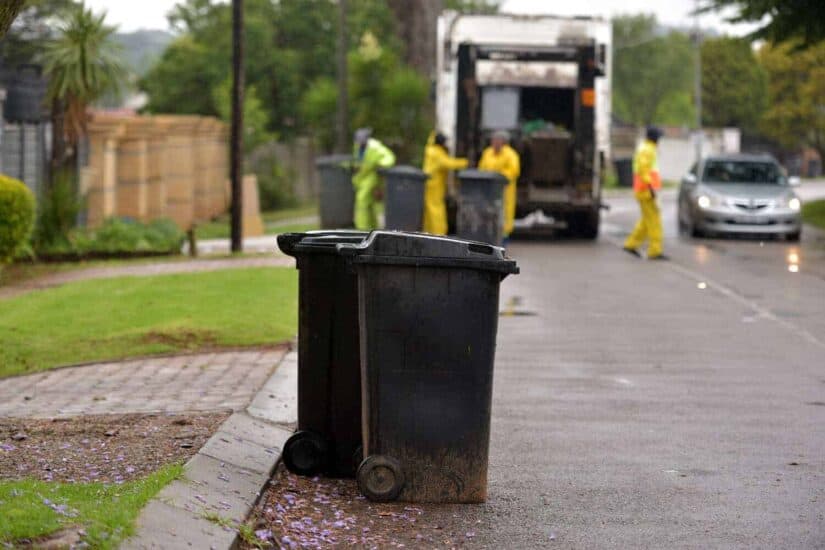
Pikitup workers collecting dustbins. Picture: Nigel Sibanda / The Citizen


Johannesburg’s streets are again being filled with the pungent aroma of uncollected domestic refuse.
Ward councillors across the city began preparing residents for refuse collection problems earlier this week.
Councillors said Pikitup was experiencing cash flow shortages that were preventing it from paying service providers.
“As a result, Pikitup machinery will not be operational in several depots. Key landfill sites will remain closed, except for the disposal of soil and builder’s rubble.
“Fuel shortages mean there is only enough fuel for limited daily collection rounds,” Ward 89 councillor Zander Shawe stated.
Almost 150 Pikitup routes outstanding
Pikitup confirmed on Tuesday that it was again back in recovery mode in a year marked by multiple crisis-level backlogs.
“Reduced operational capacity resulted in some scheduled collections being delayed, leaving waste uncollected in certain areas.
“Available resources are being prioritised and deployed to affected areas, with teams focusing on outstanding collection rounds and restoring normal collection schedules,” Pikitup stated.
Pikitup’s recovery schedule stated that outstanding rounds in and around Roodepoort, Randburg, Meadowlands, Zondi, Southdale, Norwood, Marlboro and Waterval would all be collected on Wednesday.
Together, those eight depots represent 147 outstanding routes that Pikitup are needing to work through.
Randburg faces the largest backlog, with 35 outstanding routes, followed by Roodepoort’s 25.
The vast majority of outstanding routes require two loads each, leaving the backlog of loads to be dumped at close to 300.
Pikitup said it was trying to normalise the schedule as soon as possible and asked residents to help by removing their own refuse.
“Residents who are able to do so are encouraged to use Pikitup’s integrated waste management facilities to dispose of excess household waste during this recovery period,” the entity stated.
Joburg 2040 vision
While residents struggled with mounting rubbish, Johannesburg Mayor Dada Morero on Tuesday hosted Gauteng local government colleagues to sign a pledge to improve audit results.
In presence of representatives from the Auditor-General of South Africa, National Treasury, the South African Local Government Association and the Department of Cooperative Government and Traditional Affairs (Cogta), Morero recommitted to the Joburg 2040 Growth and Development Strategy (GDS).
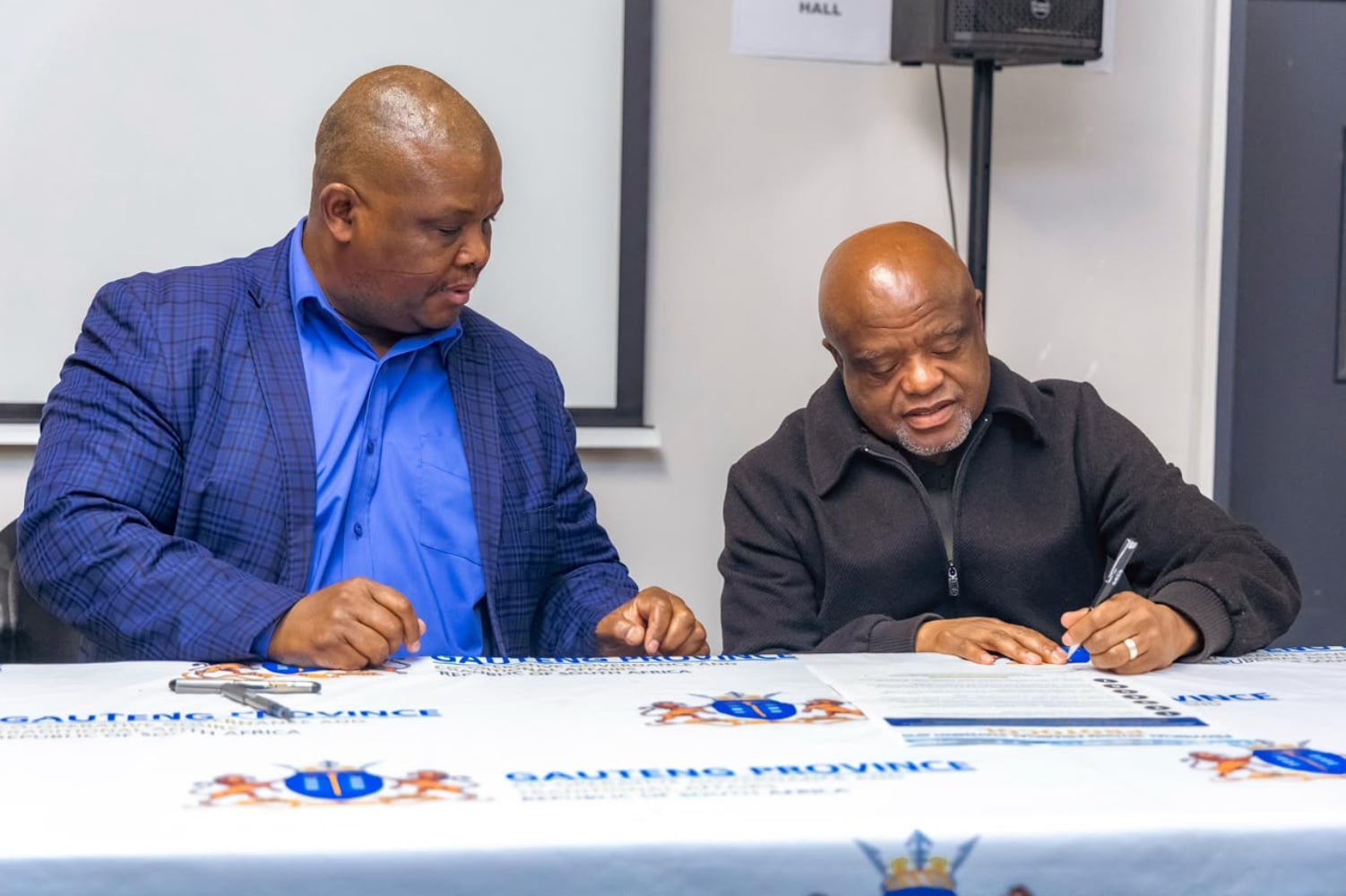
Johannesburg Mayor Dada Morero with Cogta MEC Jacob Mamabolo signing a protocol on interim financial statements on 6 October. Picture: Supplied / City of Johannesburg
Initially adopted in 2012, the GDS laid out a long-term vision for the city.
“GDS 2040 understood that no other ambition in the strategy can succeed without good governance. You cannot build a world-class African city on unreliable financial records.
“You cannot attract investment if you cannot account for public money. And you cannot ask residents to pay for services if they do not trust how their money is used,” said Morero.
The mayor briefly reflected on whether that vision had materialised, before stating an intention to improve.
“I must ask honest questions. More than 10 years later, have we kept that promise? The truthful answer is: not always, and not consistently.
“Political principals cannot delegate accountability and then claim surprise when things go wrong. A signature costs nothing. What will matter is what we do tomorrow, and every working day after that,” Morero concluded.