From protein yoghurts to "protein water", South Africans are chasing grams. We unpack the GLP-1 boom, the pressure to stay thin online, and what the science says.
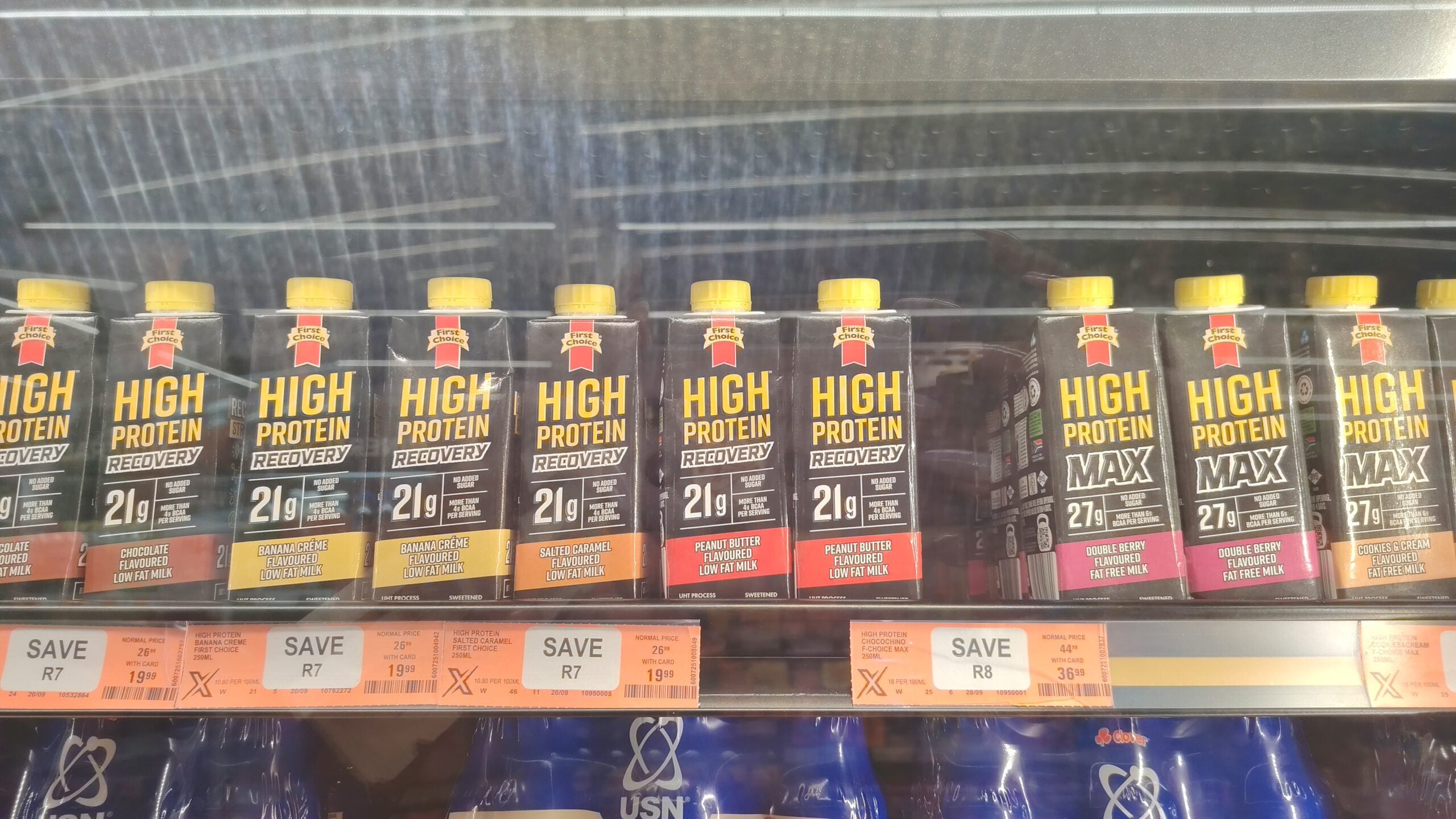
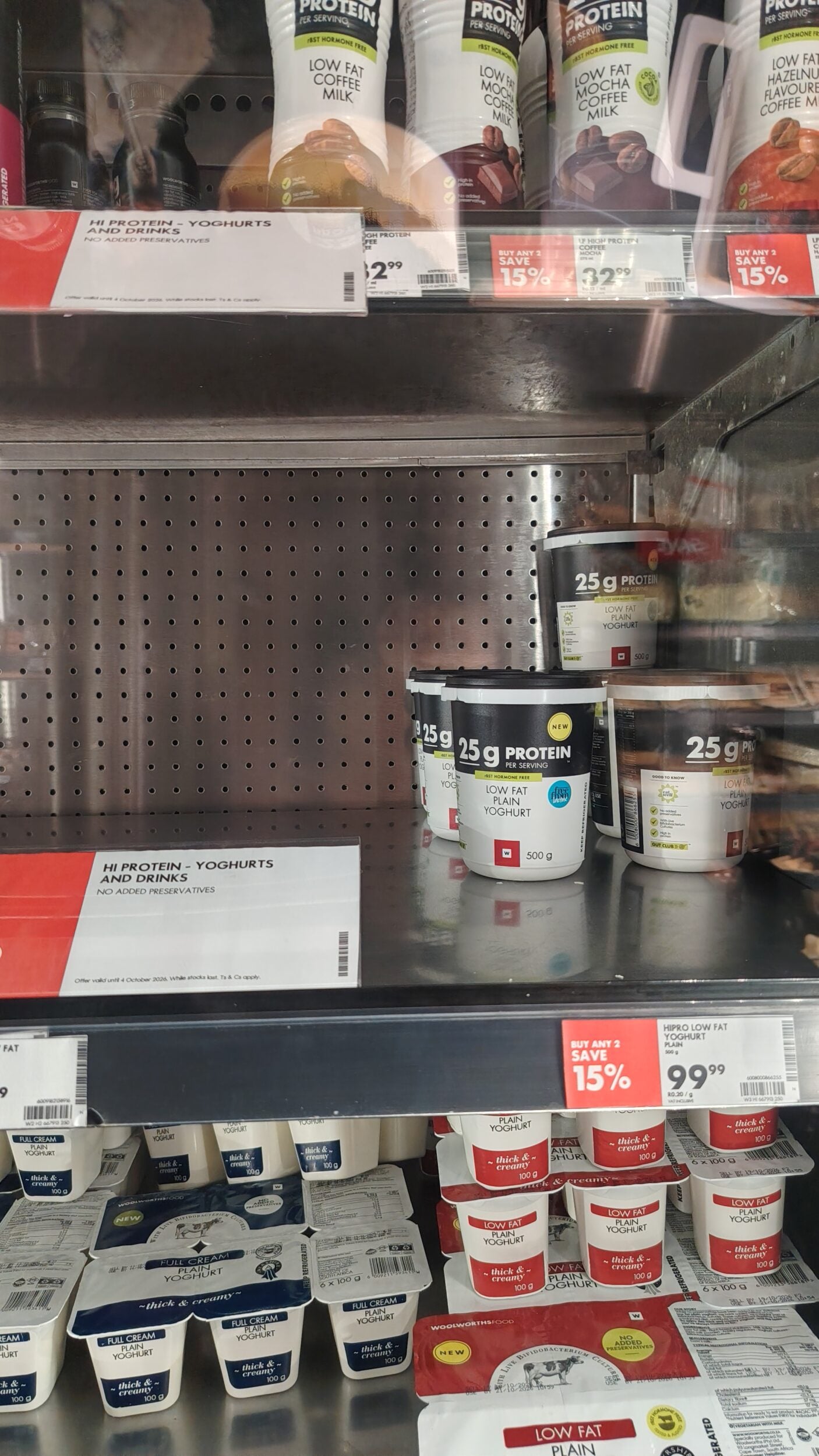
Journalist Kaunda Selisho compares high-protein snacks in a Johannesburg supermarket. Picture: Kaunda Selisho


There is a number on the front of almost every snack now, and it’s usually followed by a “g”. High-protein dairy pouches, protein-fortified drinks and clear “protein waters” have moved from gym-bag staples to supermarket fixtures.
In part one of this series, Kaunda Selisho unpacked South Africa’s GLP-1 boom, the pressure to stay thin online, and what the science says. Here, she expands on the snacks, trends, budget implications, and muscle retention needs of South Africans.
Shake problem, snack solution
For many people, especially those with dulled appetites or sensitive stomachs, a thick, sweet shake is hard going. That’s part of the appeal of protein you can chew, spoon or squeeze: yoghurt pouches, cheese, eggs, biltong. Biltong has long been popular locally, partly for its high protein content.
Is “protein water” the answer?
Thanks to beauty events that include a wellness element, clear protein drinks are also gaining popularity among women in South Africa.
They’re usually whey isolate or collagen that has been filtered to strip out the creamy texture. The whey versions are the better bet for hitting targets, as they typically deliver 20 to 25g of protein per serving.
Dietitians also note they’re more refreshing and less creamy, which some people (like myself) find easier when appetite is low. The trade-offs are that they often contain artificial flavourings and sweeteners, and that isolate is generally pricier than concentrate.
Medical literature also finds that collagen-based versions are trickier because they are incomplete proteins, as they lack tryptophan.
One analysis suggested up to 36% of daily protein could come from collagen peptides while keeping protein quality high.
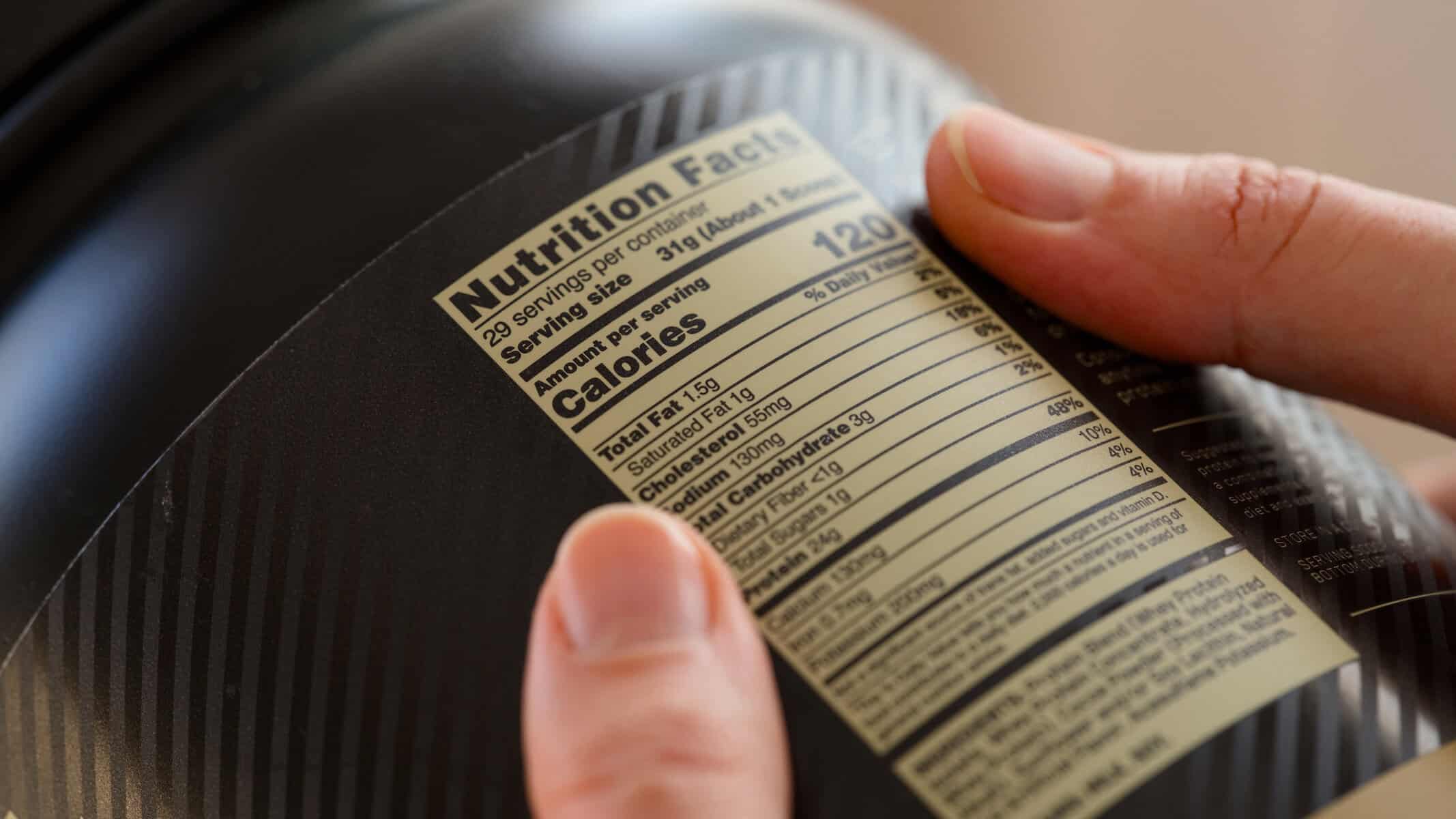
Your best bet is to check the label for the protein source and the grams per serving before you count it toward your target and make the purchase.
Protein on a budget
A local debt solution provider reports that, based on its data, over 50% of employed South Africans earn less than R15 000 monthly. However, when factoring in zero-income and informal-sector households, the average monthly figure drops closer to R4 000 to R6 000.
Globally, the cheapest protein is rarely the trendiest; however, the average South African can’t afford to participate in the trend craze.
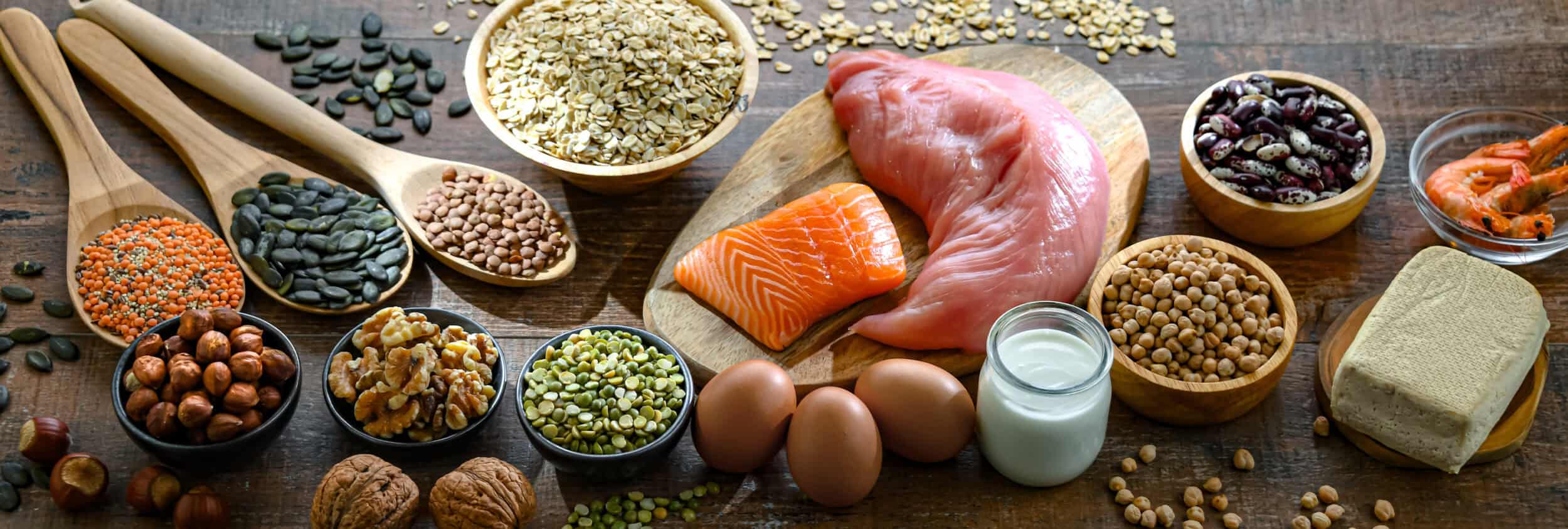
The Competition Commission’s essential food pricing monitoring found that dry beans were the cheapest source at R0.32 per gram of protein, followed by eggs at R0.48 and IQF chicken at R0.91, with canned pilchards at R1.12 and beef the most expensive at R2.81.
That data is from December 2023, but the ranking is instructive. Dried beans, eggs and pilchards are also VAT-exempt.
By simple arithmetic, the First Choice drinks above work out to roughly R1.19 (21g) and R1.63 (27g) per gram of protein. That’s convenient, but it’s not the cheapest way to get there. For plant-based options, a 500g bag of lentils costs around R27, and a cup of cooked lentils delivers at least 18g of protein.
A note for women, especially in menopause
Menopause is associated with a higher prevalence of sarcopenia (age-related muscle loss) and obesity.
Mayo Clinic Press advises that after menopause the general recommendation is 1.0 to 1.2g of protein per kilogramme of body weight a day, roughly 68-81g for a 68kg woman.
The evidence on how much extra protein helps is mixed, though. In a randomised trial of 47 postmenopausal women doing resistance exercise, the higher-protein group (about 1.2g/kg) gained a small extra improvement in functional capacity, but not in muscle strength or lean mass quality.
A review also noted that a high-protein weight-loss diet without exercise did not preserve fat-free mass in postmenopausal women. So, protein helps most when it’s paired with strength training.
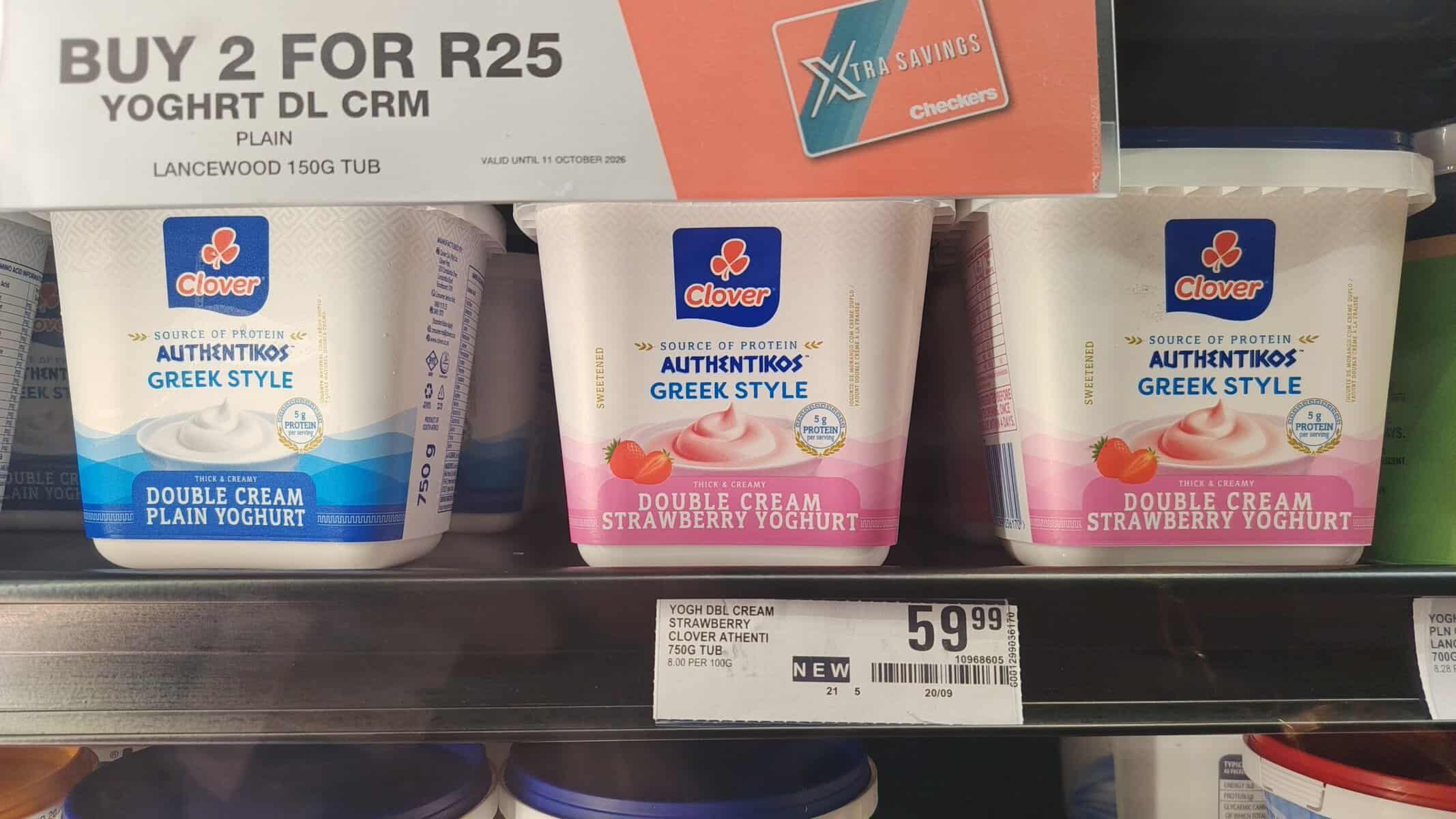
Essentially, advocating for a protein-focused game plan when thinking about what you eat isn’t a baseless fad. For people losing weight quickly, older women and anyone training, it matters.
But, it’s worth remembering that a protein-fortified snack isn’t automatically a healthy one, and for most budgets, eggs, beans and tinned fish will always do the heavy lifting. Always check your labels and consult professionals when considering adding new items to your grocery trolley.
– Read more in part 1.