



Mortality rates have decreased, with treatment outcomes improving, the department reports.
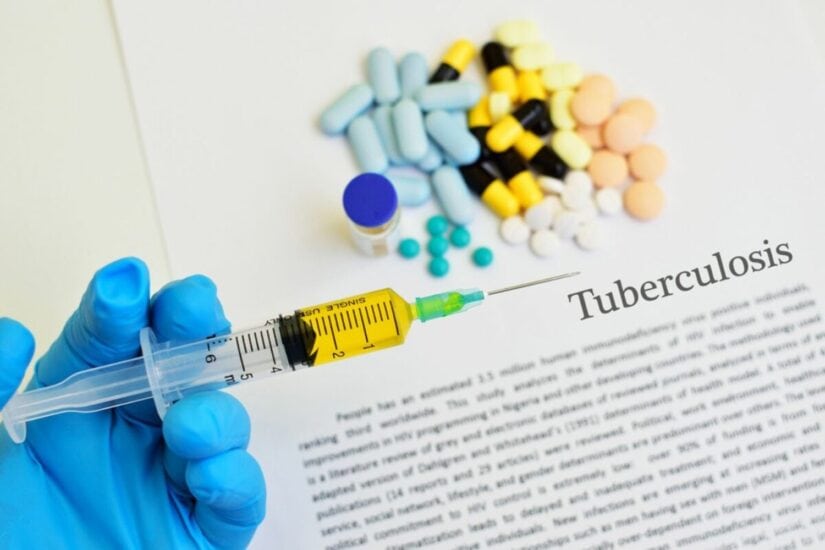
Drugs for TB treatment. Picture: iStock


As South Africa enters TB Awareness Month this March, the Gauteng Department of Health (GDoH) has reported “sustained progress” in its battle against tuberculosis (TB).
New data released for the 2025-26 financial year suggests that intensive community outreach is paying off, though officials warn that “late presentation” at clinics remains a deadly hurdle.
ALSO READ: The menstrual standoff in South Africa: What do we do now?
Detection and treatment
The provincial department’s latest figures show a high level of efficiency in finding and diagnosing cases.
Across the first three quarters of the financial year, Gauteng maintained a consistent 95% to 96% case-detection rate.
In the first quarter, 6 655 of 6 842 cases were detected; in the second quarter, 7 481 of 7 757; and in the third quarter, 6 664 of 7 020 cases.
The GDoH attributes these numbers to aggressive screening in high-risk areas, specifically townships, informal settlements, hostels, and mining communities.
“The department also focused on high-risk groups, including people living with HIV, ex-mine workers and sex workers,” said GDoH in a statement on Sunday.
The department reported exceeding treatment initiation targets: more than 20 000 patients aged five years and older started treatment in the third quarter alone, with 643 children under five starting treatment.
A 71% success rate was recorded for Rifampicin-Resistant and Multidrug-Resistant TB (RR/MDR-TB), a notoriously difficult strain to manage.
ALSO READ: Gauteng’s youth face rising high blood pressure as obesity soars
TB no longer SA’s top silent killer
The progress in Gauteng mirrors a broader, encouraging national trend. According to the most recent data from Statistics South Africa, TB is no longer the undisputed “silent killer” it once was.
In 2019, TB was the second leading cause of death in South Africa. However, by 2021, it had dropped to the 7th leading cause.
The Global Tuberculosis Report released by the World Health Organization (WHO) in November 2025 estimated that, “Around 54 000 people died of TB in South Africa in 2024”.
“249 000 fell ill with the disease compared to 270 000 in 2023 and 292 000 in 2022,” stated the report.
Additionally, Gauteng was the only province where TB was not in the top ten, as it ranked eleventh in 2021.
While it remains a top threat to public health, the department believes that the steady decline since 2019 suggests that national interventions are successfully moving the needle.
“Every life saved, and every patient successfully treated, demonstrates the impact of sustained effort,” says Gauteng MEC for health and wellness, Nomantu Nkomo-Ralehoko.
“TB is curable when treated early.”
ALSO READ: ‘No blood for my child’: Dad refuses transfusion because of religious beliefs
The silent threat: late presentation
Despite the optimism, the GDoH recorded 1 131 TB-related deaths during the first half of the financial year.
Mortality audits conducted by the province reveal that most of these deaths occurred because patients waited too long to seek medical help.
To combat this, the department is leaning heavily on its “SMS strategy” in partnership with the National Health Laboratory Service (NHLS) to speed up result notifications and keep patients in the system.
How to take action
As part of the National END TB Campaign, which aims to screen five million people, the GDoH is urging residents to be vigilant.
Seek testing immediately if you experience:
- A persistent cough
- Unexplained weight loss
- Drenching night sweats
- Fever
The department emphasised that completing the full course of treatment is the only way to cure the disease and prevent the rise of drug-resistant strains that are harder and more expensive to treat.
NOW READ: Are your sanitary pads really toxic? What doctors want you to know


