


LHWP Phase 2 is nearing completion, and the province still faces challenges from water losses, ageing infrastructure, and high consumption rates.
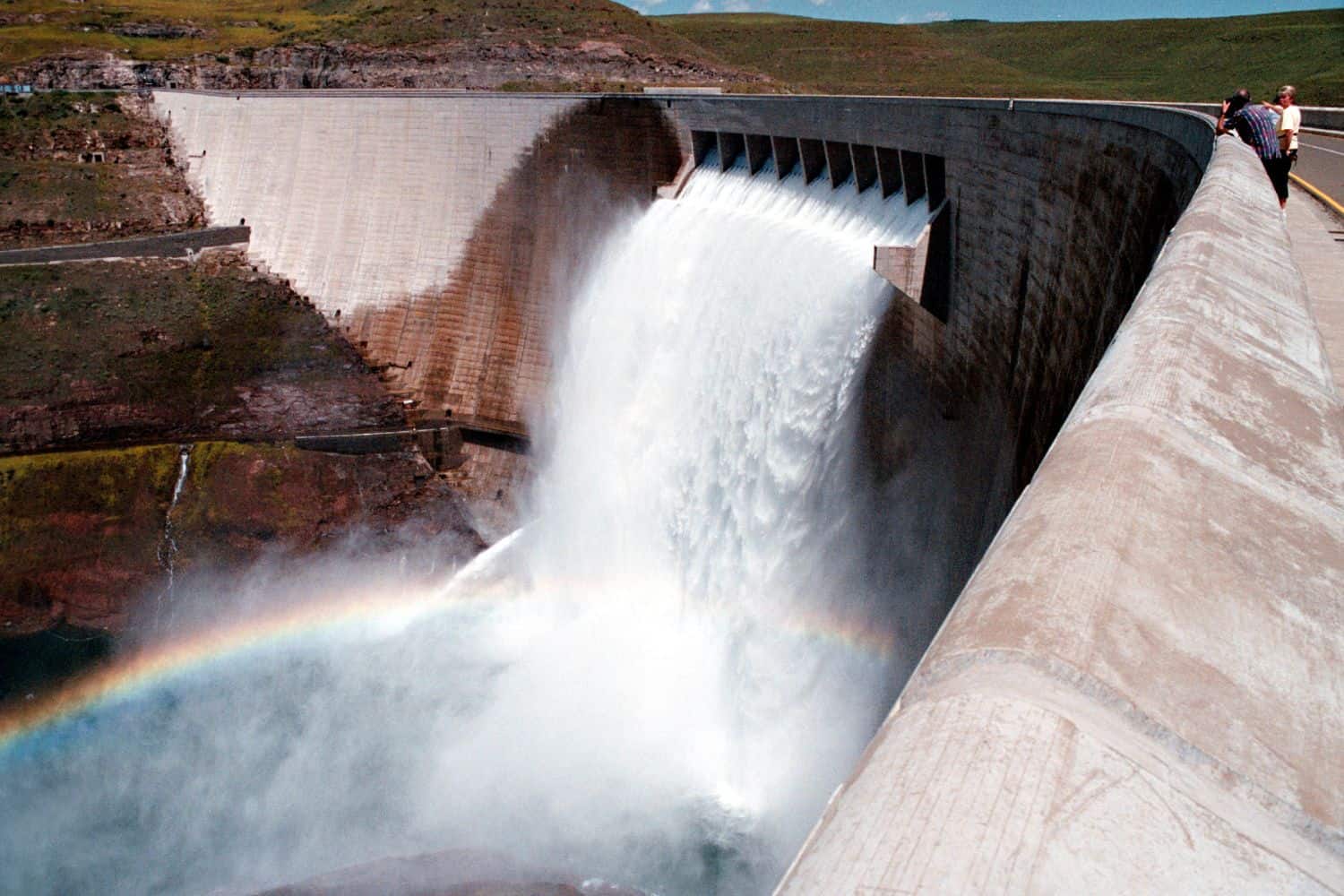
Katse dam in Lesotho, is part of the Lesotho Highlands Water Project. Picture: Gallo Images


While the Lesotho Highlands Water Project (LHWP) Phase 2, currently under construction, will provide additional water to Gauteng when completed in 2028/29, it won’t signal the end of the province’s persistent water crisis, the Department of Water and Sanitation has warned.
Water outages have become a daily struggle for many residents across Gauteng, with water and sanitation issues plaguing the province. This week alone, residents in Midrand experienced significant water disruptions, highlighting the ongoing severity of the crisis.
Furthermore, residents of Merafong on the West Rand, Gauteng, celebrated the restoration of water on 14 December 2025 after areas within the municipality had gone without it for almost a year.
The severity of the crisis is evident in municipalities where residents have endured months without a reliable water supply, resorting to collecting water from dirty drains on the roadside and other filthy water sources to meet their daily needs.
Completion won’t help Gauteng water woes
The second phase of the Lesotho Highlands Water Project (LHWP), set for completion in 2028-29, will deliver an additional 490 million cubic meters of water annually to South Africa. This will supplement the 780 million cubic meters from Phase One.
The water will serve, among others, the Gauteng province.
It will enable Rand Water to abstract more water from the Integrated Vaal River System and supply it to municipalities in Gauteng.
However, Department of Water and Sanitation spokesperson Wisane Mavasa explained to The Citizen that this increased supply alone won’t solve the province’s water woes.
“Rand Water is supplying sufficient treated water to Gauteng municipalities to meet demand, if the municipalities can reduce their water losses and if the average consumption of water per capita per day in Gauteng can be brought down from its current level of approximately 260 litres per person per day to below the international average of 173 litres per person per day,” Mavasa said.
She added that even after the project’s completion, “given that the demand for water in Gauteng has been increasing quickly along with the growth in the population of the province, water will still need to be used sparingly in the province.”
The scale of water losses in Gauteng
The department revealed that non-revenue water in Gauteng averages 49% across municipal systems, according to the 2023 No Drop report.
This figure represents water supplied by municipalities for which they receive no revenue, encompassing both physical losses and billing inefficiencies.
Physical water losses, which exclude unbilled water and uncollected payments, stand at approximately 35% on average across the province’s municipal systems.
These losses stem from multiple sources, including leaks in distribution infrastructure, dysfunctional water meters, poor pressure management, and illegal connections.
“The ‘proportional’ contribution of each factor varies from municipality to municipality, and from water supply system to water supply system within individual municipalities,” Mavasa explained.
“The common causes of water losses are leaks in water distribution infrastructure, which could in turn be related to the infrastructure being old and not having been replaced timeously, or which could be due to a lack of maintenance.”
According to Wisane, the department conducted new assessments of municipal infrastructure last year, with results expected to be published during 2026.
Constitutional constraints on national intervention
Despite the scale of the crisis, the department faces significant constitutional limitations on directly addressing municipal water infrastructure failures.
The department has neither a constitutional nor a legal mandate to fix municipal water infrastructure, and no budget allocated for such purposes.
“DWS does not own or manage municipal water infrastructure in the province,” Mavasa stated.
“In terms of the fiscal framework of the country, municipalities are supposed to maintain and repair their water and sanitation infrastructure using revenue from the sale of water to their residents.”
Wisane added that the department’s constitutional role is limited to setting minimum norms and standards for water services and monitoring adherence through Blue, Green, and No Drop reports. The standard set for non-revenue water is 20-30%, while the acceptable range for leaks is 10-20%.
Currently, the department lacks enforcement powers for these norms and standards. However, the Water Services Amendment Bill before Parliament would grant the department additional regulatory powers to direct water services authorities to comply.
ALSO READ: Full Vaal Dam to the rescue as Lesotho Highlands Water Project takes bad turn
Support programmes and their limitations
While national government provides considerable support to municipalities through technical and engineering advice, capacity building, training, financial management support, and infrastructure grants, there are inherent limitations to what this assistance can achieve.
“In those cases where the leadership of the municipality is not responding to directives or not taking advice, performance can only be improved by addressing the leadership challenges,” Mavasa emphasised.
Section 139 of the Constitution and Section 63 of the Water Services Act allow the national government to intervene when municipalities fail to fulfil their water and sanitation obligations.
However, these interventions have proven largely ineffective.
Multi-faceted approach needed for water security
The department emphasised that no single solution exists for Gauteng’s water supply disruptions.
Wisane said all of the following measures must be implemented to reduce the risk of water shortages over the next five to ten years:
- Gauteng municipalities must improve maintenance and management of their water supply distribution systems while reducing water losses.
- They must also invest in additional storage capacity through reservoirs and increased pumping capacity.
- Residents and businesses need to use water more sparingly, particularly those currently using water wastefully.
- The Lesotho Highlands Water Project Phase 2 must be completed on schedule to enable Rand Water to abstract more water from the Integrated Vaal River System.
READ NEXT: Completion date for R53 billion Lesotho Highlands Water Project postponed again
Support Local Journalism
Add The Citizen as a Preferred Source on Google and follow us on Google News to see more of our trusted reporting in Google News and Top Stories.

