Polihali Dam and transfer tunnel construction is on track despite geological delays.
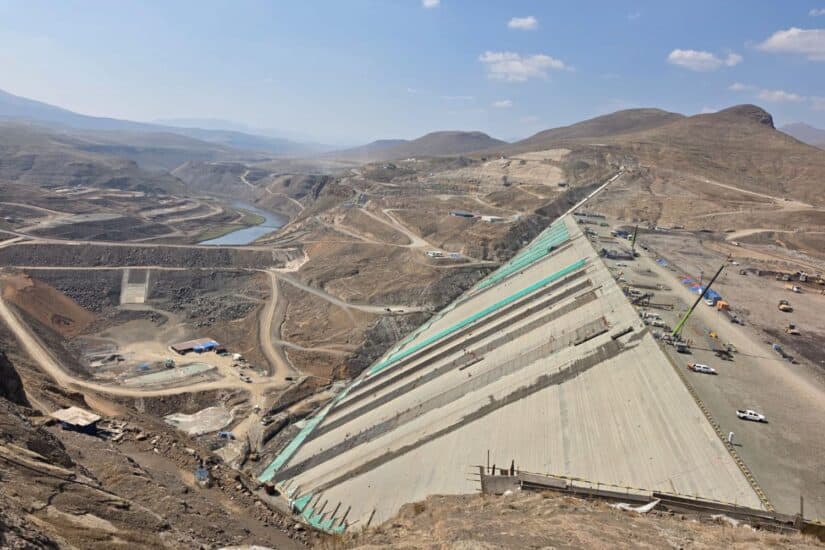
Picture: Supplied/ DWS


The Lesotho Highlands Water Project Phase 2 remains on schedule, the Department of Water and Sanitation confirmed on Monday.
Spokesperson Wisane Mavasa said Water and Sanitation Minister Pemmy Majodina and Deputy Minister in the Presidency Seiso Mohai had just wrapped up a site visit.
According to Mavasa, the ministers “concluded the three-day quarterly oversight visit to the Lesotho Highlands Water Project Phase 2” in Mokhotlong District from 11 to 13 September.
Overall progress now stands at 56.7%, with R24 billion spent against a R53 billion budget.
Mavasa noted the minister “welcomed the advancement the project has made since the last visit in April this year.”
Dam and tunnel construction advance despite delays
Construction of the 165-metre Polihali Dam has reached 53% completion, Mavasa said, after an “initial delayed construction start”, with impounding expected in July 2027.
The 38-kilometre water transfer tunnel is 58% complete, though poor underground conditions have slowed the tunnel boring machines. Mavasa explained the setback led to “slow progress of the Tunnel Boring Machines (TBM) on both Polihali and Katse sides”.
“The Polihali TBM has excavated about 10.5% while the Katse TBM has excavated 14.3% of the waterway tunnel.
“A mitigating plan has been put in place by the contractor to recover the lost time,” she stated.
Resettlement and bridges deliver community benefits
Around 209 households affected by the dam are being resettled, a process Mavasa said is “sitting at 49%,” covering new housing, grave relocations and compensation.
Three major bridges have been finished, including the Senqu, Khubelu and Mabunyaneng crossings.
“The three bridges, which have become landmark structures, are integral components of the LHWP2 as they will provide safe, reliable and uninterrupted access to the national road network via the A1, the main route linking the Mokhotlong District in the mountainous north-east of the country with Maseru, Lesotho’s capital city, ensuring year-round connectivity even when the Polihali reservoir reaches full supply.”
Cross-border partnership creates thousands of jobs
The project has generated significant employment since it began.
Mavasa said it has “directly created 16 000 job opportunities for Basotho and South Africans.”
She described the initiative as one built on shared benefit, noting it rests on “a shared future between the two countries”.