The KZN police commissioner also said he doesn’t regret his explosive media briefing on 6 July.
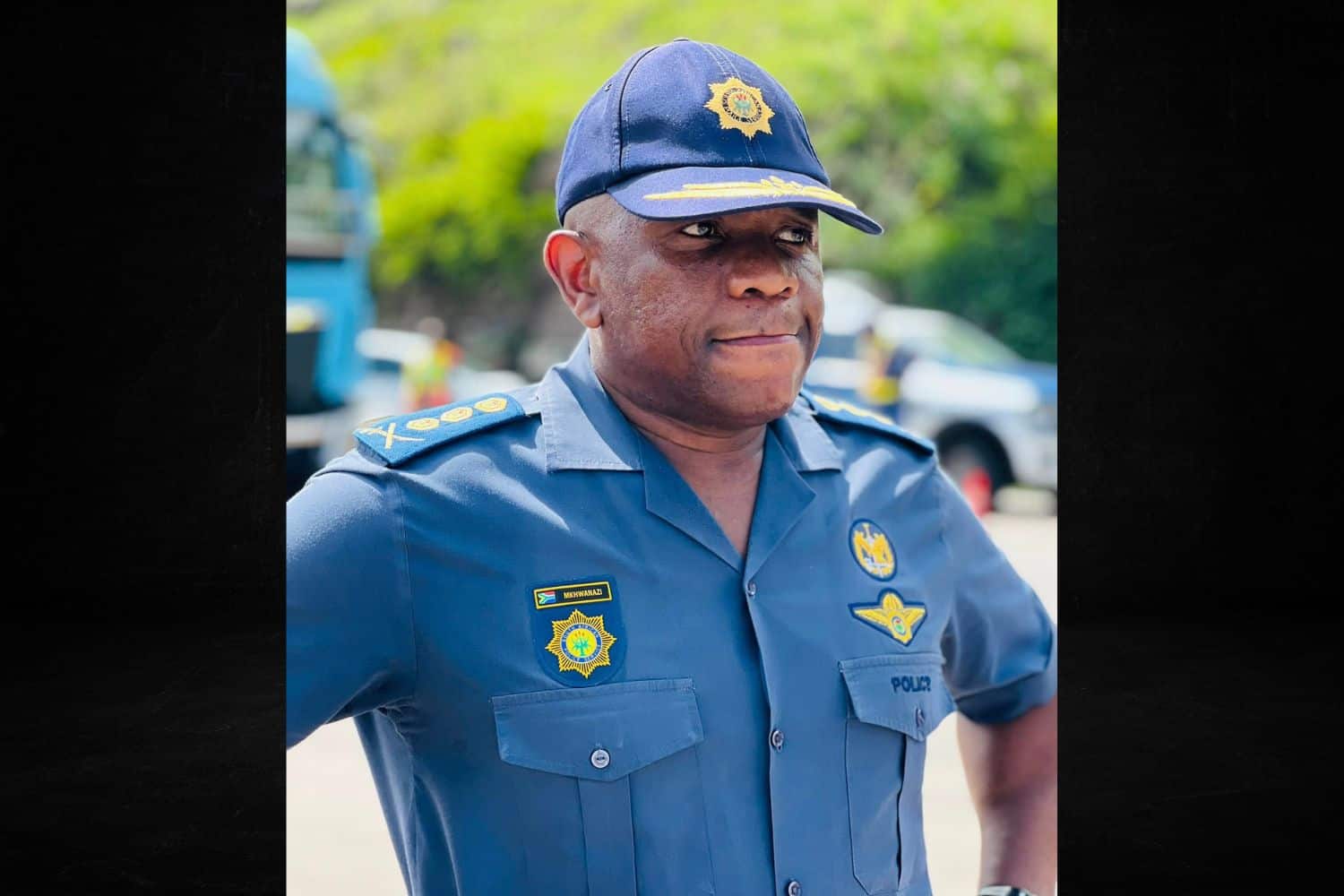
KZN police commissioner Lieutenant General Nhlanhla Mkhwanazi takes part in a road block in the province on 23 December 2025. Picture: Facebook/South African Police Service


KwaZulu-Natal police commissioner Nhlanhla Mkhwanazi said the final report that comes out of the Madlanga commission must lead to changes within South Africa’s criminal justice system.
He was speaking on Tuesday as Police Minister Firoz Cachalia visited KZN to oversee the police’s readiness in the province for the festive season.
While police conducted a roadblock, Mkhwanazi told the media that he was pleased that the problems with South Africa’s criminal justice system is being aired in public.
On 6 July, Mkhwanazi stunned the country when he held a media briefing and alleged that the judiciary, politicians and senior police officials were colluding with criminal networks.
It led to the Madlanga commission being formed as well as a parliamentary ad hoc committee.
However, previous commissions set up by the government have yielded few tangible results.
‘Changes must come from Madlanga commission‘
Mkhwanazi wants the Madlanga commission to be different.
“Whatever is happening at the commission, whatever is happening in parliament is under the camera… that transparency helped all of us to get to see the extent of the problem that we have,” he said.
“As society at large, we’ll be able to come up with solutions, and we’ll be able to judge the outcomes of these commissions.”
ALSO READ: 10 revelations from the Madlanga commission this year
He said the final report that comes out of the Madlanga commission must “change the status quo”.
“We all want a better criminal justice system in the country.”
Watch: Mkhwanazi speaks during police operation in KZN
Mkhwanazi has no regrets about his explosive allegations
Mkhwanazi also said although his media briefing on 6 July was unusual, he has no regrets.
He said the police feel “powerless” when criminals evade justice.
“We’re not supposed to go in public [with allegations], we’re supposed to investigate, arrest and take it to court,” he said. “But when those that are supposed to help us become part of the problem, it then frustrates us. It makes us powerless.”
“If the law says do it like this, but people use the very same legislation to decide whether to prosecute or not to prosecute, to decide whether to grant bail or not, to decide on the seriousness of an offence and the sentence you give to that person, we are left with [victims of crime] that are not satisfied.”
READ NEXT: Ramaphosa expects criminal referrals as Madlanga commission submits interim report