


As families and hauliers hit the highways, reckless driving and lack of policing make this year’s holiday season especially perilous.
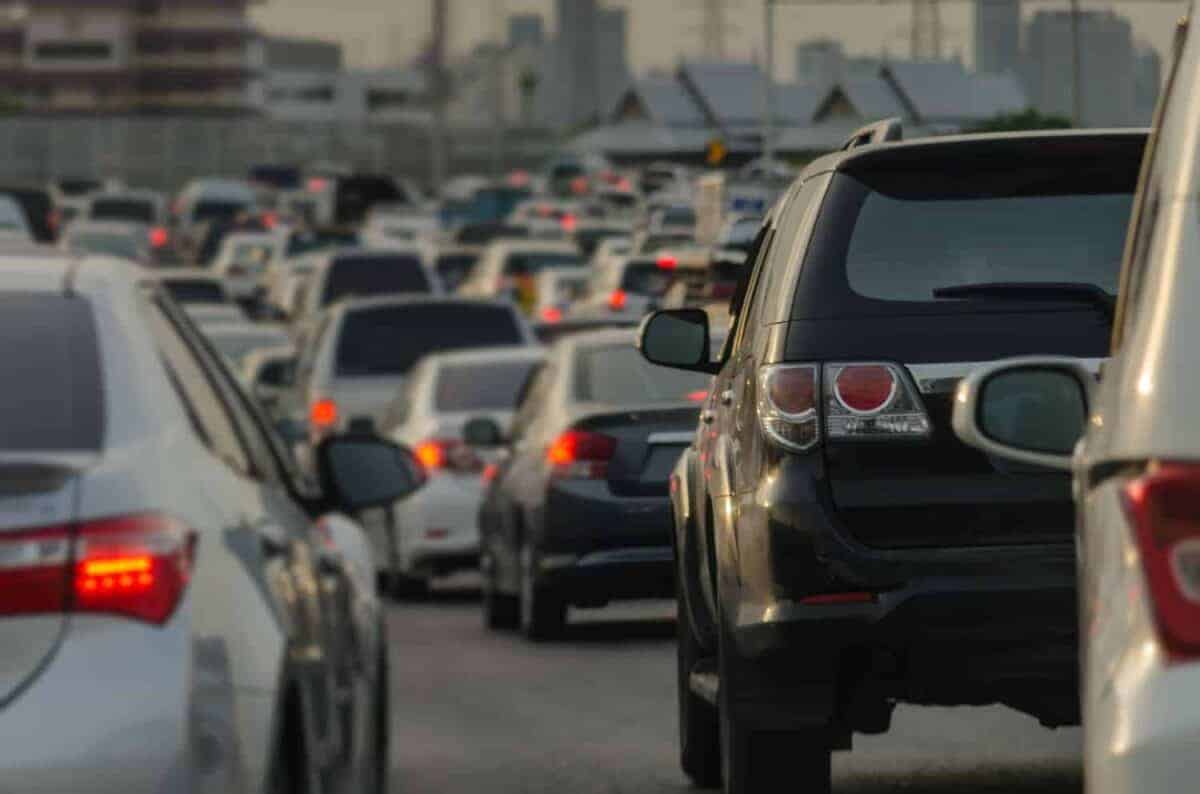
Picture: iStock


In 10 days’ time the annual rush to the coast will begin. Reconciliation Day, the traditional beacon for the official start of the festive season, is looming.
People start hitting the road in increasing numbers and in different directions because, as Christmas edges closer, those who eschew seaside holidays start heading into the hinterland to reconnect with family.
It happens every year and, after New Year’s Day, the whole process reverses itself.
Unlike the G20, which we had to prepare for, we don’t need any forewarning of this phenomenon.
But you won’t see too many traffic cops speed trapping or sitting on the other side of a blind rise waiting to nab offenders overtaking on barrier lines and into oncoming vehicles.
ALSO READ: ‘Use bonuses and stokvel payouts to renew vehicle licences’ – RTMC
Off the major national highways, where there’ll be a little bit of performative law enforcement, especially when the politicians and TV crews are there, it’s business as usual.
Except it isn’t. The collapse of our rail network means our roads are congested with heavy-duty hauliers all trying to get to their destination, drop their load and pick up another one.
They are racing against the clock and the tedium – and so are all the people in cars and buses, many pulling trailers just to ramp up the risk.
We already don’t drive very well or considerately if the number of video clips of appalling driving on our roads is anything to go by, but this season is a recipe for disaster.
The tragedy is we know what’s coming, but nothing tangible will be done to stop it, or get people’s behaviour to change.
ALSO READ: Do we need groceries in 60 minutes if it puts road safety at risk?
The consequences of road accidents are for life – and those who pay the highest price are too often the innocents: passengers or drivers facing imminent destruction because of the selfishness of a driver coming towards them at high speed in the wrong lane.
In our brave new AI world, we can’t just rely on digital solutions, we need the analogue answers of speed cops in the bushes at the roadside or patrolling the roads in their cars as a silent reminder to keep to the rules.
We need consequences for bad driving, particularly on the open road.
The fact that there aren’t any is part and parcel of the general South African malaise.
It’s difficult to stomach, but the handwringing and the platitudes afterwards are even worse.
Support Local Journalism
Add The Citizen as a Preferred Source on Google and follow us on Google News to see more of our trusted reporting in Google News and Top Stories.

