Joburg Water has a R26.6 billion backlog, electricity has a R44 billion backlog and 54 132 outages were reported in six months last year.
Picture: iStock


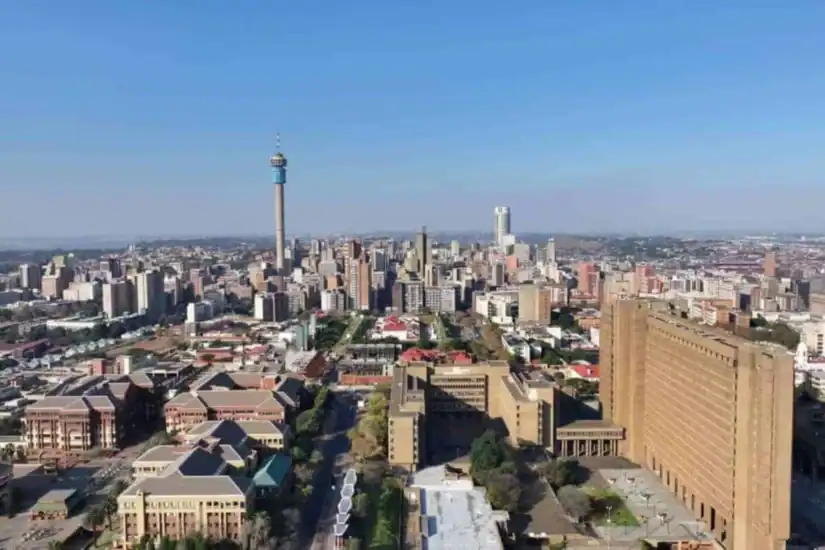
The slow-motion implosion of Johannesburg, once said to be the richest city in Africa, is not only emblematic of the decline of South Africa itself, but what happens there is a harbinger of what awaits the country, says an alarming new report by the Centre for Development and Enterprise (CDE), aptly titled Joburg in Jeopardy.
Its conclusion is ominous: if Joburg fails, so does South Africa.
The city, it says, “should be one of South Africa’s biggest assets”, anchoring a national system of successful cities. And there is muscle beneath the grime, too.
About 70% of corporate head offices are there, while nearly half of all the country’s income taxes are collected from Gauteng province – with 22% coming from Joburg alone.
Set against that are failing utilities: Joburg Water has an infrastructure backlog of R26.6 billion and is replacing only 60km to 70km of piping a year for a network of 12 500km.
The electricity infrastructure backlog is about R44 billion and showed up in the 54 132 power outages reported between July and December last year.
There were 23 572 potholes reported to the Joburg Roads Agency in the last half of 2025, averaging about 3 900 per month.
The murder rate has also increased, “placing the city among the most dangerous urban centres globally”. The icing on a depressing cake is the administration chaos. Joburg owes creditors R25.2 billion, but holds just R3.9 billion in cash.
And if you own a house in Joburg, it would have depreciated by an average of 2% over the past decade, while Cape Town house prices are up 60%.
The CDE says: “Preventing the collapse of Johannesburg must be a national priority.”
The political elite which rules us, however, is little affected by the collapse of either the city, or the country because their wealth insulates them.