We don't have proper public transport, so we shouldn't penalise those who rely on cars and taxis.
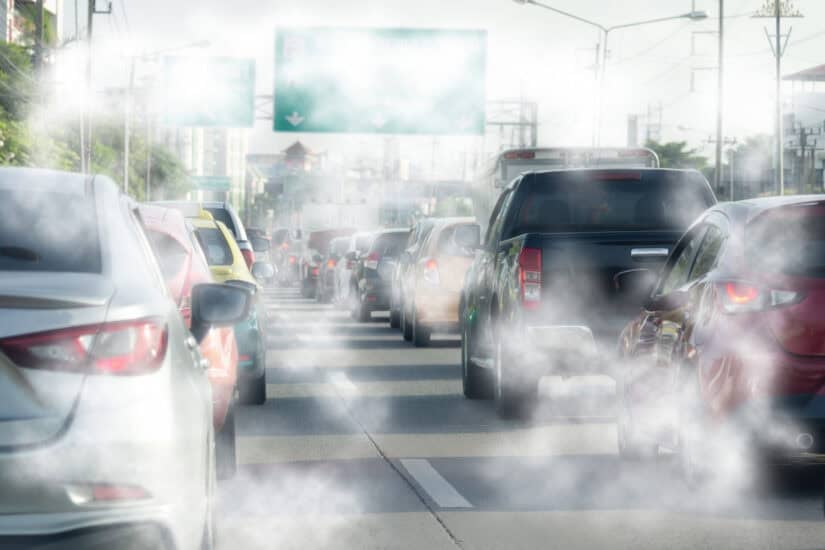
Johannesburg’s proposed Clean Air Zone could improve air quality, but the city should first fix failing infrastructure and public transport. Picture: iStock


It is comforting in a bizarre way that, while Joburg’s streets are potholed like a World War I battlefield, traffic lights don’t work and vehicle law enforcement is conspicuous by its absence, we at least have someone who is director of the city’s “air quality and climate change”.
No doubt paid a decent whack of ratepayer money to crystal-ball the future, that woman, one Lebo Molefe, is now looking seriously at turning Joburg into London Lite, by levying more taxes on those old cars which pollute… and even preventing them from going to some places at all.
All in the name of improving urban air quality.
The buzzword floating around the desk of Molefe is CAZ, or “Clean Air Zone”.
This would be a sort of magical garden when the air would be protected from evil automotive pollution by financially excluding the “dirtiest” cars and trucks.
That’s what happens in London, where they make £180 million (about R3.9 billion) annually from their levies for cars permitted into the Ultra Low Emissions Zone.
There is no denying that air pollution is an issue in Joburg – as proved by a report on the city’s air quality, which used data collected from 250 000 exhaust measurements taken at 11 locations between July and September last year.
Data showed that petrol passenger vehicles older than 20 years contributed 24% of measured emissions, despite making up just 4% of the vehicles sampled.
The Clean Air Fund stated that Johannesburg in 2019 recorded an estimated 5 300 premature deaths due to air pollution, with the number expected to double by 2030.
There is no doubt, also, that citizens don’t want Joburg to end up like New Delhi where vehicle pollution is choking.
But we’re not London. We don’t have proper public transport, so we shouldn’t penalise those who rely on cars and taxis.