High unemployment is driving many young people to excessive drinking.
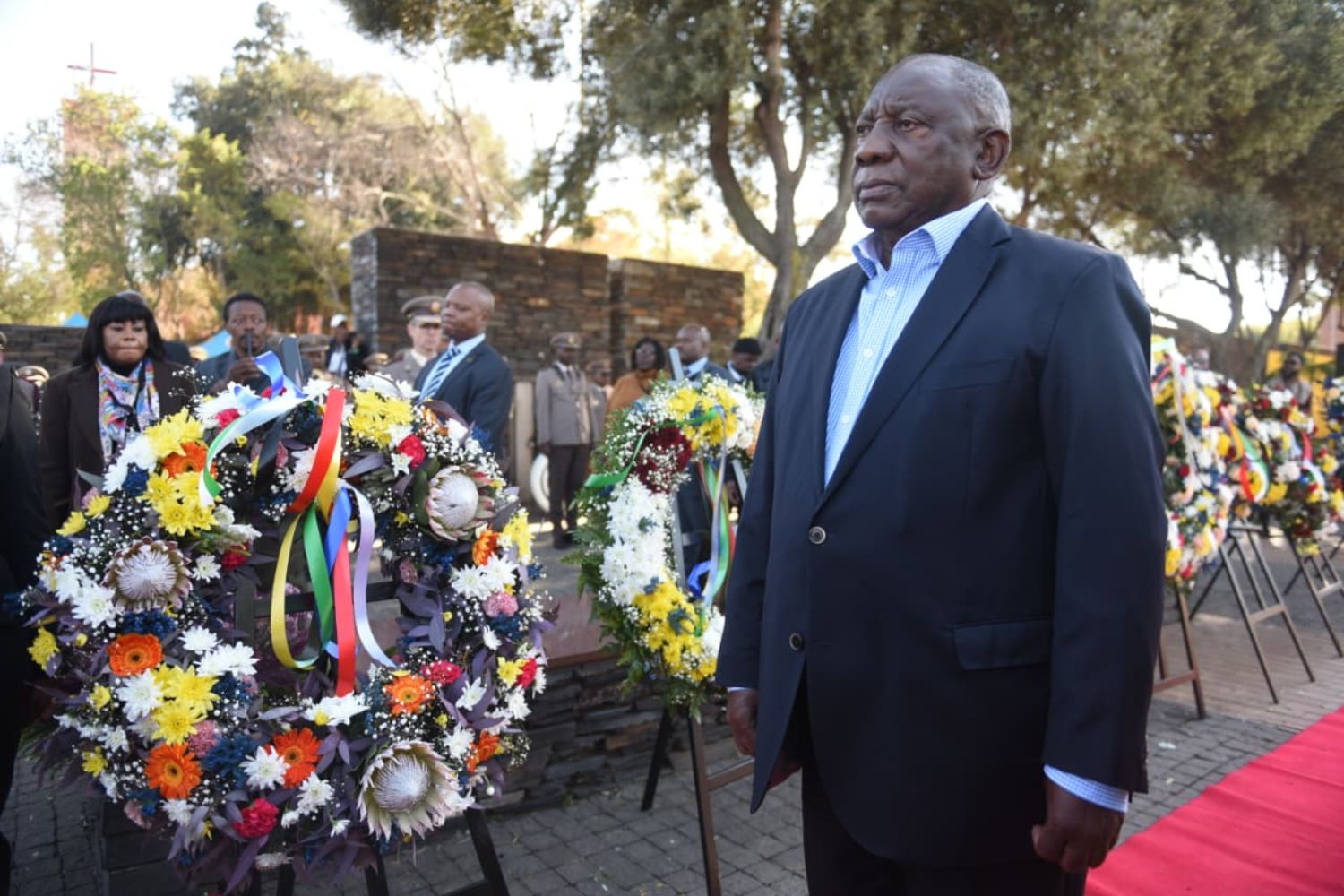
President Cyril Ramaphosa lays a wreath at Hector Pieterson memorial site in Soweto on 16 June 2026. Picture: Nigel Sibanda/The Citizen


South Africa’s Youth Day commemorations took on a renewed sense of urgency on Tuesday, 16 June 2026, as young leaders called on government to move beyond promises and confront the challenges facing the country’s youth.
Held at the FNB Stadium precinct in Nasrec, Johannesburg, the 50th anniversary of the 1976 youth uprising brought together President Cyril Ramaphosa, senior government officials, businesspeople and traditional leaders.
Youth Day event highlights present-day struggles
National Youth Development Agency (NYDA) board chairperson Sunshine Myende delivered one of the most striking addresses of the day, drawing parallels between that 1976 generation’s fight for political freedom and today’s struggle for economic inclusion.
She praised the courage of the youth who took to the streets against the apartheid government five decades ago.
“They understood that history does not wait for permission and neither should those called to change it,” she told the crowd.
Yet, Myende argued, despite living in a democratic era, true freedom for young people remains incomplete without access to economic opportunities.
Yet, she argued, despite living in a democratic era, young people today are still locked out of meaningful participation in the economy.
‘Drinking our talents away’
Myende described the current reality facing young South Africans as one marked by frustration, exclusion and fading hope.
With youth unemployment at 46%, she said many graduates are left stranded after completing their studies, unsure how to move forward.
“Some have even lost hope because they’ve become a laughing stock in their communities.
“The neighbours are gossiping about us, saying that we have gone to university, but we have nothing to show for it.”
She stressed that the central challenge has shifted from gaining access to education to securing opportunities after graduation.
“It is graduating with a distinction and still wait for a first interview. It is carrying a business idea, but lacking access to capital. It is having talent, but no networks.
“It is having hope, but no opportunity and this has resulted to a large number of us as young people drinking our talents away.”
Human cost behind the statistics
Beyond the numbers, Myende painted a deeply personal picture of the sacrifices made by families and the emotional toll of unemployment.
She highlighted that parents and guardians invest everything they have – from selling livestock to skipping meals – to fund their children’s education, only for graduates to return home without prospects.
“Behind every unemployment statistic is a human story,” Myenda remarked.
The impact, the NYDA official stressed, extends into everyday life as some young people can’t even afford to buy any toiletries, stripping away their dignity and independence.
“These days young men say they can’t even be in relationships anymore with their peers, because they can’t even afford to take their girlfriends out because they are unemployed, Mr president.”
She further criticised systemic barriers such as the high cost of data and bureaucratic hurdles that limit access to opportunities.
Watch the youth day commemoration event below:
Call for intervention
Myende also called out inefficiencies and attitudes within government institutions.
“Often times as young people, we’re faced with arrogance from officials in government offices.
“They sit there in the big offices and the chairs that are revolving and they don’t care about us.”
In a direct appeal to Ramaphosa Myende urged government to treat youth unemployment as an emergency requiring immediate and decisive intervention.
“That is why we have continuously said, Mr president, you must declare youth unemployment as a pandemic and as a disaster as it directly and indirectly affects our core existence as young people,” she said.
“A qualification should never become a waiting room for unemployment,” the NYDA official added.
Government and private sector responsibility
In his address, Ramaphosa acknowledged the scale of the challenge, stating that while South Africa now produces four times more graduates than in 1994, access to education alone is not enough.
He emphasised that unemployment must be addressed collectively by both government and the private sector.
“Through the employment tax incentive, we already share the cost of bringing a young person into their first job.
“We will strengthen that support, because the first job is the hardest to get and the most important a person ever has,” Ramaphosa said.
“We must change how we prepare young people from the beginning.
“We, therefore, call upon employers to hire a young person and not require them to have experience before you hire them.”
The president further urged young people to remain engaged in shaping the country’s future, particularly through voting ahead of this year’s local government elections.
“Democracy is not only what happens in Parliament and council chambers.”