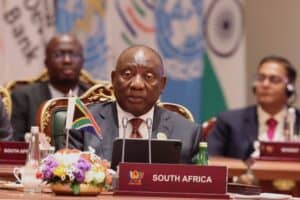
'At the domestic level, the decision reaffirms SA's constitutional commitment to protect the rights of workers.'
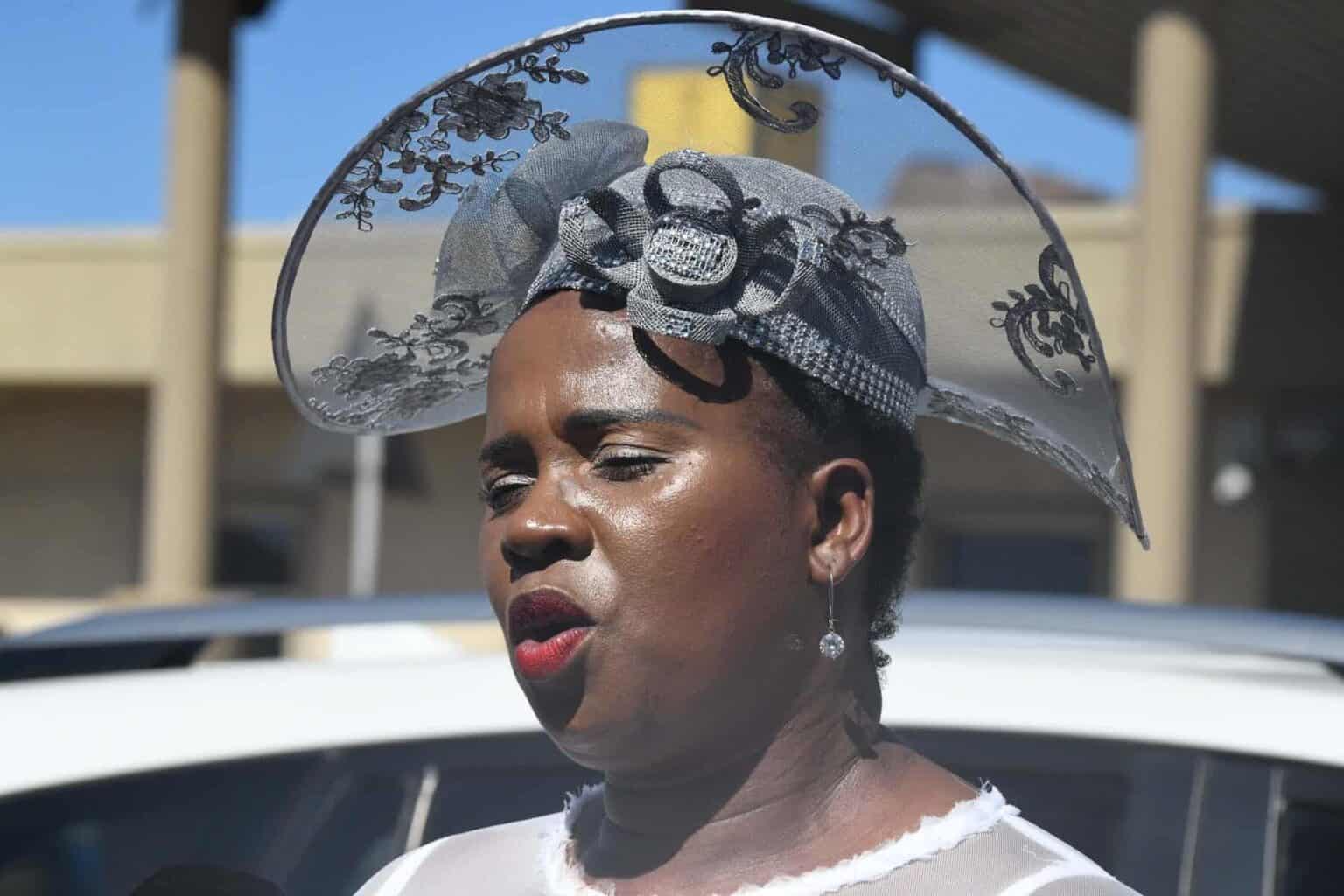
Employment and Labour Minister Nomakhosazana Meth. Picture: Gallo Images/Die Burger/Lulama Zenzile


The International Court of Justice (ICJ) has delivered a historic advisory opinion confirming that the right to strike is an inherent part of the International Labour Organisation (ILO) Convention on freedom of association.
South Africa welcomed the ruling, made last month, which ends more than three decades of dispute among ILO constituents over whether the right to strike is explicitly protected under Convention No 87.
South Africa ratified the convention in 1995, shortly after the advent of democracy, affirming its commitment to international labour standards and workers’ fundamental rights.
A guarantee of the right to strike
In a statement following the ICJ advisory opinion on 21 May, Employment and Labour Minister Nomakhosazana Meth hailed the decision saying the ICJ’s decision reinforces South Africa’s constitutional guarantee of the right to strike.
“At the domestic level, the decision reaffirms SA’s constitutional commitment to protect the rights of workers.
“As such, this landmark interpretation further affirms a principle long upheld by workers’ rights defenders worldwide: that the ability to withdraw labour is indispensable to genuine freedom of association,” she said.
Right to strike is an intrinsic corollary
The ruling comes after years of paralysis in the ILO’s supervisory machinery, where employers consistently challenged the authority of the Committee of Experts on the Application of Conventions and Recommendations.
The committee had long maintained the right to strike is an intrinsic corollary to freedom of association and therefore protected by Convention No 87.
The dispute intensified in 2012 when the Employers’ Group walked out of the committee on the application of standards at the International Labour Conference, objecting to expert engagement and demanding a tripartite political discussion.
This impasse led to the ILO’s request for an advisory opinion, the first such request in nearly a century.
Reasoning
South Africa was among the first states to support the workers’ argument that the right to strike is protected under Convention No 87, notwithstanding its absence from the treaty’s express text, as a necessary element of trade union activities and programmes.
Although the ICJ’s advisory opinion is non-binding, it carries significant legal weight and is expected to shape international labour law.
Meth noted South Africa’s submissions played a key role in the court’s reasoning, drawing on the drafting history, structure of the convention, and subsequent ILO practice.
“The court’s endorsement of this reasoning represents a major victory for workers everywhere, particularly in contexts where collective bargaining is weak, or repression is high,” Meth said.