


Experts caution that careless public statements by officials could harm SA’s credibility and strain already fragile international relationships.
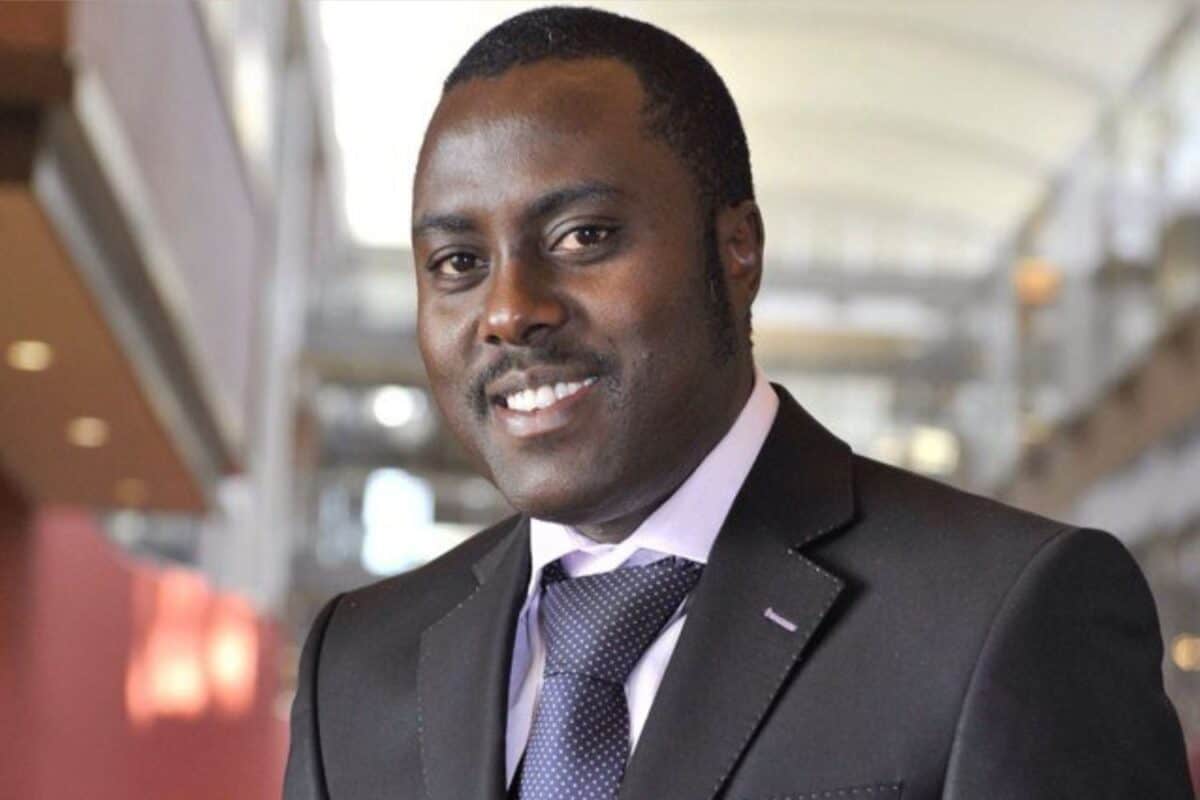
Dirco spokesperson Clayson Monyela. Picture: X @dirco


South African politicians and prominent figures must not make utterances that will damage the country’s image, especially internally.
This is the view of reputation experts, who were reacting after Clayson Monyela, the head of public diplomacy at the department of international relations and cooperation (Dirco), came under fire for taking part in a social media engagement that proposed the revival of South Africa’s nuclear weapons programme.
A few days ago, Monyela engaged in a conversation on X(Twitter), whereby a user suggested that South Africa should consider nuclear weapons to protect itself against being attacked.
Senior officials must show discipline – reputation specialists
Monyela said: “I find no fault in your proposal.”
As soon as people started attacking him, he deleted it and posted a message that: “I have deleted this comment. Poorly framed. I have no issues with apologising for it. SA remains committed to a nuclear-free world except for scientific, medical and energy use, etc. That remains the policy position of the government.”
When called for comment yesterday, he referred the journalist to his X account to see his apology.
ALSO READ: SA condemns Israel’s recognition of Somaliland as ‘violation of sovereignty’
Reputation management strategist Solly Moeng told The Citizen Monyela’s remarks could have been “dangerous”.
“We may not support much of what the Trump administration is doing, but we should also not poke it and give it reason to react in ways that might further deepen the tensions between our two countries and hurt South Africa’s prospects of economic revival,” he said.
Tshepo Matseba, MD of Reputation 1st, a strategic communication and reputation management consultancy, said Monyela should have exercised greater discipline.
Digital comments can inflame tensions
“Public diplomacy is not casual commentary. It is strategic signalling on behalf of the state.
“Even when framed informally on social media, words from someone in his position carry national meaning, not personal opinion. The timing was particularly unfortunate.”
Matseba said South Africa was operating in a fragile diplomatic environment, including a strained relationship with the US under President Donald Trump, meaning that in such moments, restraint was not a weakness.
ALSO READ: US condemns SA over raid at refugee facility
“It is strategic maturity. Public statements, especially on sensitive issues like nuclear weapons, must reduce tension, not amplify it. Unfortunately, in the age of digital diplomacy, a single post can be weaponised out of context.”
He said the incident raises questions about whether there are communication protocols in place to help senior officials distinguish between personal opinion and official position.
“South Africa’s greatest diplomatic asset is credibility. We voluntarily dismantled our nuclear weapons and built moral authority around peace, mediation and multilateralism,” Matseba said.
SA’s greatest diplomatic asset is credibility
“That reputation should not be diluted by impulsive digital engagement. The priority now should be tightening social media governance for senior officials, reinforcing message discipline and focusing on repairing relationships that affect trade, investment and national interest.”
Dirco spokesperson Chrispin Phiri did not respond to questions sent to him yesterday.
Support Local Journalism
Add The Citizen as a Preferred Source on Google and follow us on Google News to see more of our trusted reporting in Google News and Top Stories.

