



Housebreakings and thefts are down across the country, but a growing trust gap means millions of victims simply aren't reporting incidents anymore.
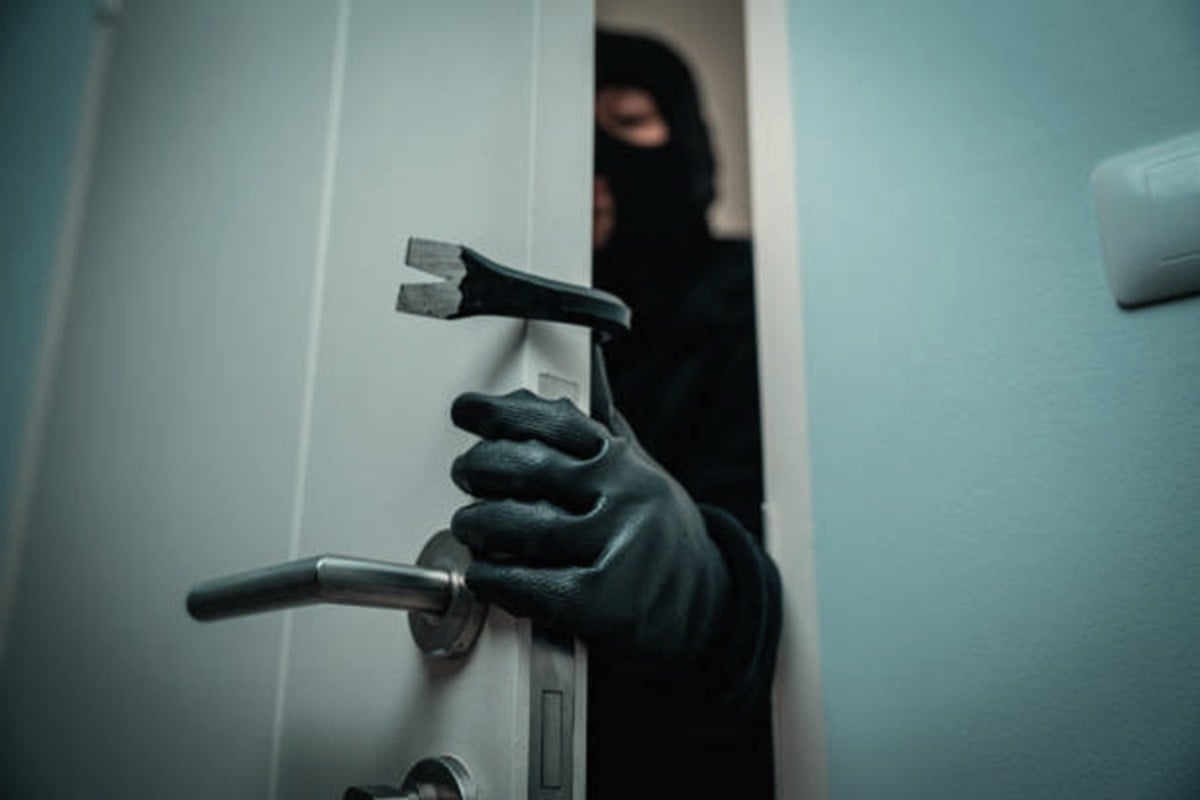
Picture: iStock


If you locked your doors before leaving, planned your route home, or hesitated on any street after dark, you aren’t alone. While official numbers are trending down, the everyday feeling of safety hasn’t changed.
Where the numbers dropped
Released by Statistics South Africa (StatsSA) on Tuesday, covering April 2025 to March 2026, the data presents welcome news.
Housebreaking, historically the most rife household crime in the country, saw a statistically significant drop. The estimated number of affected households fell from 2.605 million in 2024-25 to 2.345 million in 2025-26 (from 13% to 11.5% of households).
Housebreaking directly hit 1.08 million households (5% of all households), continuing to account for 63% of all recorded household crime.
KwaZulu-Natal recorded the highest proportion of households affected by housebreaking, at 12%, followed by the Northern Cape at 11%.
Individual property theft plummeted from 3.13 million victims down to 2.45 million.
A total of 179 000 households experienced home robberies in 2025-26. The number of affected households represents 0.9% of all households in the country.
However, StatsSA explicitly cautioned that many other decreases, including drops in motor vehicle theft (in 186 000 households), assault (in 215 000 households), and street robbery (1.08 million victims), were not statistically significant, meaning the apparent relief in those categories may be nothing more than random survey fluctuation.
Missing the crime mark
The primary reason statistical drops fail to reflect reality on the ground is a loss of faith in law enforcement. South Africans are increasingly choosing not to report crimes.
Statistician-General Risenga Maluleke said the most common reason for not reporting a housebreaking was the belief that “police would not do anything about it”, cited by 24% of non-reporting households.
Less than half of affected households, 48%, reported incidents of housebreaking to the police.
Out of an estimated 459 000 victims of street robbery, only 42% logged an official report with the police.
For theft of personal property, only 37% of victims reported their losses to authorities.
69% of individuals affected by psychological violence didn’t report the abuse, particularly where victims may know the perpetrator or regard the incident as a private matter. Of the 31% who did report it, 43% were women (men – 41%).
Doing-it-yourself
Rather than relying on the state for protection, South Africans are self-policing and altering their daily habits to survive. The proportion of people taking active measures to protect themselves rose from 43% to 47%.
The single most common strategy? Limiting daily movement. Nearly a third of the population (32%) now restricts when and where they travel.
While 81% of adults feel safe walking in their neighbourhoods during daylight, that confidence collapses the moment the sun goes down, with only 38% doing so.
Among those who take defensive measures – curfews, fortress-style home security, or avoiding public spaces – 78% report feeling safer afterwards.



