
This week, the Constitutional Court delivered a landmark judgment clarifying the powers of the SAHRC.
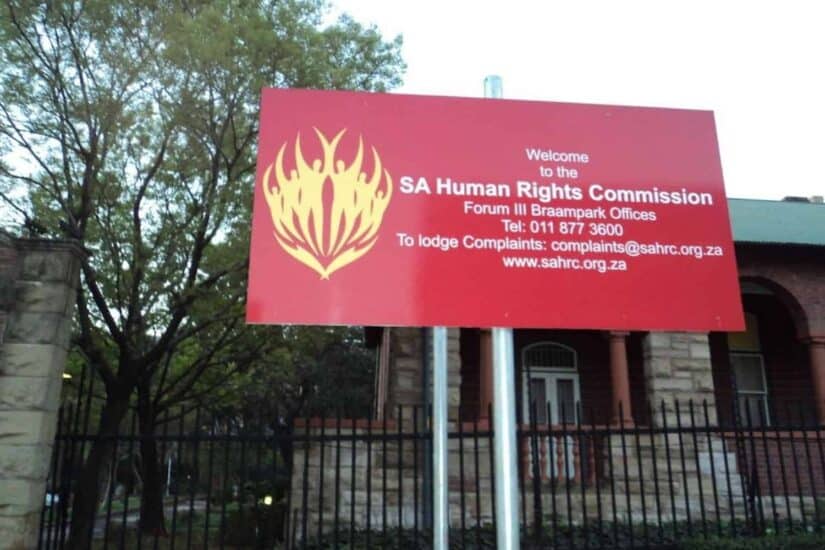
Picture: Wikimedia Commons


The South African Human Rights Commission (SAHRC) says it will study the Constitutional Court judgment and its implications for its work.
This week, the Constitutional Court delivered a landmark judgment clarifying the powers of the SAHRC, affirming its constitutional importance while limiting its remedial authority.
Court ruling
The Court ruled that while the SAHRC may issue directives after finding human rights violations, those directives are not automatically binding.
If ignored, the Commission or complainants must approach the courts for enforcement. The judgment underscores that the SAHRC’s role under section 184 of the Constitution is primarily investigative and facilitative, not adjudicative.
Constitutional questions
SAHRC spokesperson Wisani Baloyi said at the heart of this matter lay three important constitutional questions.
“When the Commission issues directives after finding that human rights have been violated, can those directives be disregarded by persons against whom they are directed? What recourse does the SAHRC have when directives are ignored? And whether the Commission must approach the courts to give its findings a binding effect for every case?
“The Constitutional Court has clarified that, after concluding an investigation, the SAHRC may issue directives as to appropriate redress. Where a respondent declines to act in accordance with those recommendations, the Commission or the complainant may approach a court to obtain appropriate relief,” Baloyi said.
Evidentiary foundation
In this process, the court recognised that the SAHRC’s investigations and reports will ordinarily provide the evidentiary foundation necessary to advance such cases.
Importantly, the court stressed: “Recognising the absence of binding remedial powers does not diminish the constitutional importance of the SAHRC… The SAHRC is far from toothless.”
The case arose from a complaint by farm occupiers in Mpumalanga who were deprived of access to water, an issue directly tied to dignity, health, and survival.
Delays
While the ruling confirms the Commission’s strength lies in its ability to act in ways courts cannot, it also raises concerns about delays and costs for vulnerable communities forced to seek judicial enforcement.
“The Commission has previously raised concerns that requiring enforcement through courts in all instances of non-compliance may delay the resolution of human rights violations, increase costs for affected persons and communities, and place additional strain on both institutional and judicial resources,” Baloyi said.
Committed
The Commission said it remains committed to utilising all available mechanisms, including litigation where necessary, to ensure that effective redress is secured for those whose rights have been violated.