This is despite the city's appeal against the original ruling.
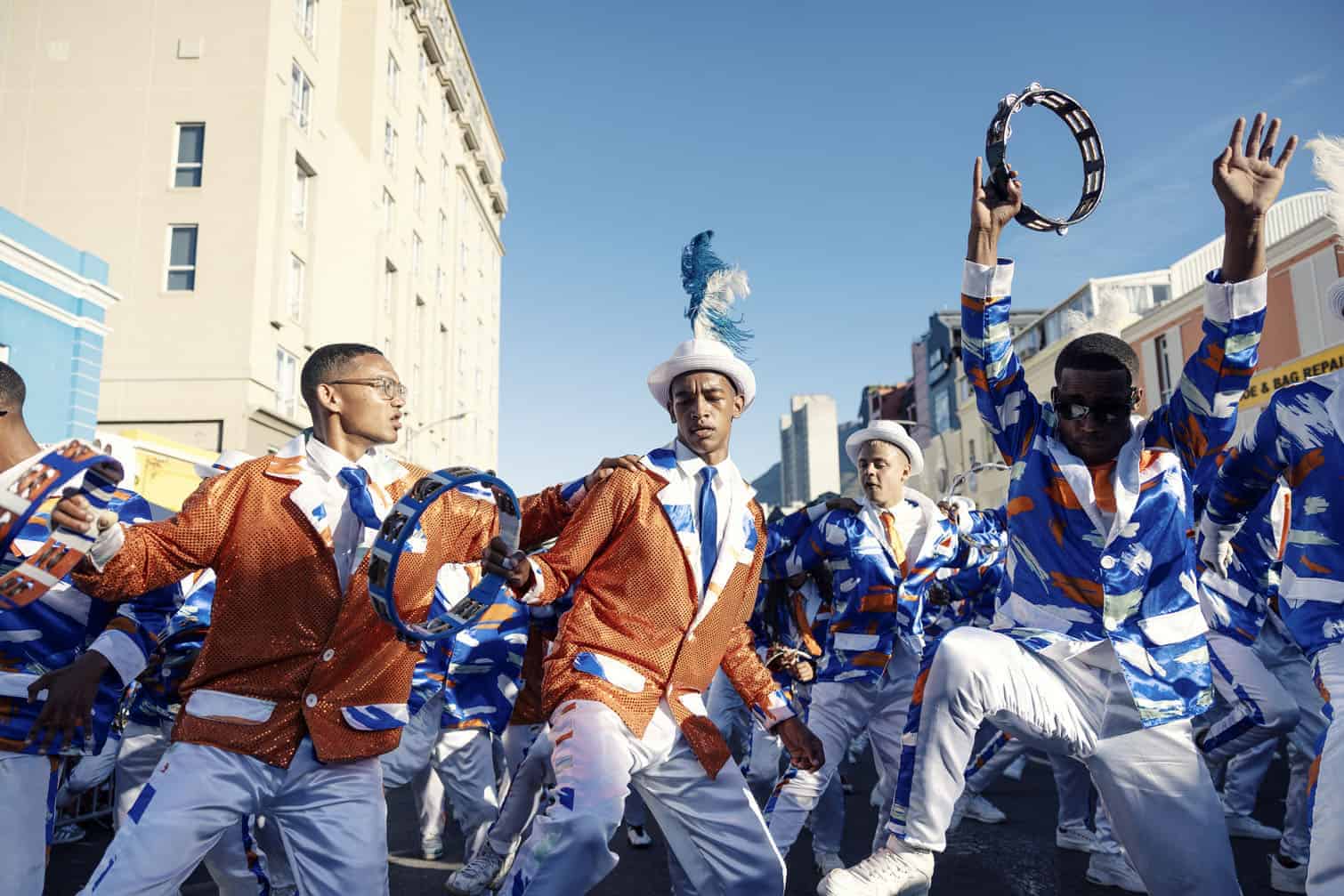
Kaapse Klopse minstrels dance as their troupe moves forward during the annual Kaapse Klopse parade, also known as “Tweede Nuwe Jaar” (second New Year), in Cape Town on January 4, 2025. Thousands of colourfully costumed minstrels paraded through Cape Town Saturday in an exuberant century-old carnival rooted in the South African city’s history of slavery that drew large crowds of spectators. In glitzy uniforms matched with flashy hats, parasols and face paint, the marchers walked and danced through the city’s historic centre in an annual event that an organiser said had grown to become the biggest such parade on the continent. (Photo by GIANLUIGI GUERCIA / AFP)


The Cape Town Minstrels Parade, or Kaapse Klopse Karnival, a centuries-old cultural tradition featuring a spectacular display of vibrant costumes, ghoema beats, and electrifying performances, is in turmoil amid a dispute between the City of Cape Town and the Cape Town Minstrels Carnival Association (CTMCA).
Late-night ruling
In another late-night ruling on Wednesday, the Western Cape High Court again ordered the City of Cape Town to comply with a previous court directive, ordering the city to find a suitable alternative for the Kaapse Klopse Karnival from 1 January 2026 at its own cost.
In the judgment, Judge James Lekhuleni reiterated that the city must make a suitable venue available for the Cape Town Minstrel Carnival Association’s event.
ALSO READ: Battle simmers over rerouting of Tweede Nuwe Jaar Kaapse Klopse Karnival
Cape Town’s appeal
This is despite the city’s appeal against the original ruling. The DA-led City of Cape Town’s application to appeal was served on Wednesday at 4 pm.
The City initially requested a virtual hearing and then, at the eleventh hour, decided to hold the hearing in open court.
Venue dispute
The matter concerns a September booking of the Vygieskraal stadium for the historic event, which is an expression of the identity, heritage, and resilience of the Mother City’s diverse communities.
After being provisionally approved in September 2025, the City of Cape Town withdrew its approval for the Vygieskraal stadium to be used for the Kaapse Klopse Karnival, citing what it called “operational, as well as safety concerns.”
Court order
Lekhuleni reiterated his previous order that the City must provide an alternative venue.
“If execution is not ordered, the applicants will be denied their right to participate in their culture, which they have been doing on an annual basis. On the other hand, in my view, there is no harm whatsoever that will be suffered by the respondent if the suspension is lifted.
“I must also indicate for the record that the City has not placed before this court any information under oath to indicate what harm it will suffer. Except for the affidavit relating only to the correspondence between the parties,” Lekhuleni said.
Cape Town committed?
The City argued that it remains family committed to supporting the minstrel tradition and its rich cultural heritage.
It also argued that it is committed to comply with the court order by ensuring that it facilitates the, the holding of this tradition.
ALSO READ: WATCH: Tweede Nuwe Jaar Kaapse Klopse street parade expression of humanity and kindness
Must comply
Lekhuleni said this commitment from the city is “highly commended by this court.
“To this end, I’m of the view that the city must comply with the order of this court in demonstrating its commitment in this regard. I am mindful that this application was brought on an urgent basis. As I said, I really would have expected the City or the respondent, at least, to have placed before the court evidence under oath as to why it could not even comply with the court ruling.
“I am of the view that a case has been made up, in terms of section 18 (3) of the Superior Courts Act, and consequently and always granted, to the effect that, notwithstanding, the respondents’ filing of this application will leave to appeal. The order that was granted by this court on 29 December 2025 is hereby made immediately enforceable, and the respondent is directed to immediately comply with the terms of the order,” Lekhuleni said.
Kaapse Klopse Karnival
The Kaapse Klopse Karnival, an annual celebration which dates back to the 19th Century, allows enslaved communities to celebrate their New Year’s Day on the “off day,” observed on 2 January, also known as the Tweede Nuwe Jaar.
The Kaapse Klopse Karnival Association (KKKA) director, Muneeb Gambino, told The Citizen that the association’s board, largely composed of troupe owners, carefully weighed cultural, logistical, and financial considerations before confirming that the street parade and the first day of competition would take place on 5 January 2026.
First event
The first carnival is believed to have taken place in 1887, rooted in the cultural mix of enslaved Africans and Southeast Asians, indigenous Khoi and San, and black South Africans.
Around 20 000 performers and 150 000 spectators are expected on the day of the upcoming parade.
With young people making up more than two-thirds of participants, the modern version is also an opportunity for youth to empower themselves to resist the lure of gangs, crime and drugs afflicting the city’s poorer suburbs.