


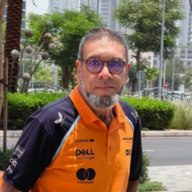
Maumela was among those implicated in the Tembisa Hospital looting.
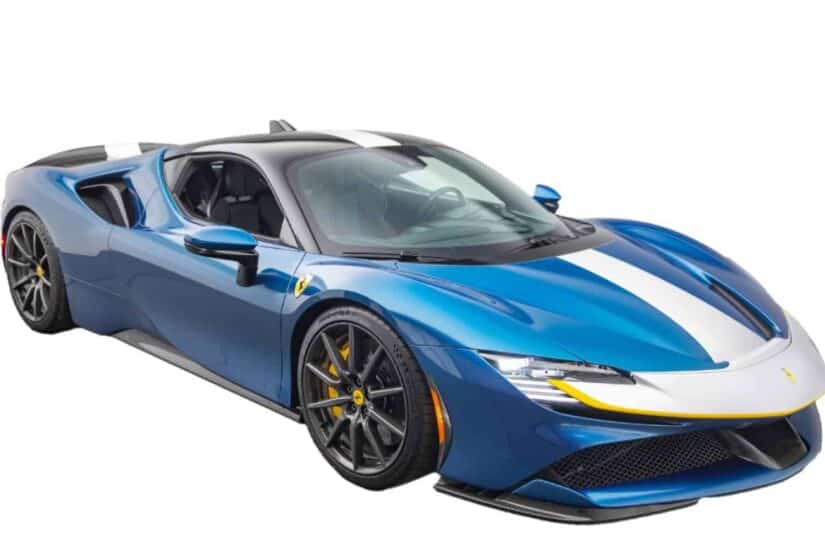
The SIU has been authorised to sell a Ferrari SF90 Stradale linked to businessman Hangwani Morgan Maumela for at least R9.5 million, with the proceeds to be preserved in an interest-bearing account. Picture: SIU


Tembisa Hospital tender tycoon figure Hangwani Maumela and the trustees of the MHR Maumela Family Trust have lost a bid to stop the Special Investigating Unit (SIU) from selling his Ferrari SF90 Stradale, clearing the way to dispose of the luxury sports car as part of an ongoing corruption probe.
Application dismissed
The High Court dismissed the urgent application, finding that a previous Special Tribunal order authorising the sale was not automatically suspended by the appeal proceedings.
The court also found that the applicants had failed to show a clear legal right to halt the sale or prove they would suffer irreparable harm.
The Ferrari, bought for R11.1 million in April 2022, has remained under preservation at Ferrari South Africa since the Tribunal’s preservation order.
Ruling welcomed
The SIU welcomed the ruling, saying it reinforces its efforts to preserve the value of assets linked to state corruption investigations.
The Ferrari, valued at about R9.5 million, will be sold and the proceeds secured in an interest-bearing trust account pending the outcome of civil recovery proceedings.
It is among several luxury cars preserved under a Special Tribunal order issued in September 2025 pending the finalisation of the main application.
The vehicles are linked to the SIU’s investigation into alleged corruption and maladministration at Tembisa Hospital.
Tembisa Hospital
Maumela is accused of extracting more than R820 million from the hospital through a network of companies, part of a corruption web Babita Deokaran originally flagged.
The Maumela Family submitted valuations of R10.2 million and R10.165 million, along with two firm offers of R10 million. Ferrari South Africa countered with a R9.5 million bid, citing ongoing costs: R5,000 monthly storage, R8,333 insurance premiums, a R104,857 battery replacement, and R408,000 for warranty renewal.
Special Tribunal
In August 2026, the appointed curator argued that holding onto the high-maintenance vehicle was financially impractical. The Special Tribunal agreed, ruling that the Ferrari should be sold and the proceeds safely deposited into an interest-bearing trust account until civil recovery proceedings conclude.
Special Tribunal president Judge Bernard Ngoepe found that, even without evidence of “rapid” depreciation, the cumulative expenses justified the sale.
He ruled that proceeds invested in an interest‑bearing account could preserve and potentially enhance the asset’s value.
Ngoepe found that ongoing insurance and storage costs could persist for an extended period, and there was no evidence of sufficient appreciation in the vehicle’s value to offset them.
Auction
Maumela, referred to alongside his associates as the “Maumela Syndicate” in Tribunal proceedings, opposed the auction, claiming the vehicle was likely to appreciate in value, and approached the High Court urgently following an appeal.
The court further found that the applicants had shown neither a clear legal right nor irreparable harm, while confirming that the proceeds would remain protected in an interest-bearing trust account pending the outcome of the main litigation.
In line with the Special Investigating Units and Special Tribunals Act 74 of 1996, the SIU confirmed it has also referred the criminal evidence uncovered during the Tembisa Hospital probe to the National Prosecuting Authority (NPA) for criminal prosecution.
Babita Deokaran
The case traces back to Deokaran, a senior Gauteng health official assassinated on 23 August 2021 after flagging suspicious payments at Tembisa Hospital. Her report identified companies benefiting from inflated and fraudulent contracts.
The investigation into the Tembisa Hospital corruption was precipitated by the receipt of a report from the late Deokaran.
A forensic review by National Treasury’s Specialised Audit Services found that 14 entities linked to Maumela unlawfully secured contracts worth more than R400 million between 2019 and 2022, bolstering the SIU’s broader allegations of corruption at the hospital.



