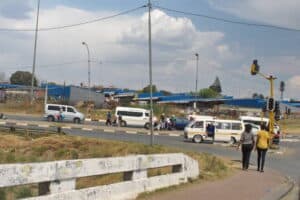
Department of education reported that 630 227 pupils require transport, while 740 993 are receiving it, with 67 073 listed as not transported nationally.
Picture: Supplied/ The Witness archives


The department of basic education (DBE) told Parliament that one in 10 pupils who need transport to school are not receiving it, but figures contained in the department’s own presentation suggest the real scale of the problem is significantly greater.
Briefing the portfolio committee on basic education on Tuesday, the department said that, as of 28 January 2026, 10.64% of pupils nationally who required transport were not getting a ride.
“Provinces with a larger number of learners who are not transported are Gauteng (10 000) and Northern Cape (1 259) [sic],” it added.
The Western Cape, it said, was the only province that had managed to transport all pupils who required the service.
Data seemingly contradicts
However, the same presentation contained provincial data that paints a more alarming picture.
According to the figures, the Eastern Cape has 47 591 pupils left without a ride despite 159 361 pupils requiring transport in the province. This number is far higher than Gauteng and the Northern Cape.
KwaZulu-Natal’s data is even more concerning. While the province reported that 233 000 pupils require transport, only 76 598 were receiving it.
The presentation indicated “no data” under “learners not transported” in the province, but a calculation based on its figures indicates that 156 402 pupils in the province are likely not being transported.
ALSO READ: No desks, no water: GDE slammed over dire conditions at Pretoria school
National picture remains unclear
At a national level, the DBE reported that 630 227 pupils require transport, while 740 993 are receiving it, with 67 073 listed as not transported.
The figures, however, are difficult to reconcile and are further complicated by missing or inconsistent data. For Mpumalanga, the department did not disclose how many pupils require transport, only reporting that 67 221 pupils are receiving transport.
This lack of clarity makes it impossible to tell what the true extent of pupils without access to transport is, and suggests the figure is likely far higher than the one in 10 pupils reported to Parliament.
Who qualifies for government-assisted transport?
According to the Gauteng department of education’s scholar transport policy: “It is the principal’s responsibility to ensure that quality teaching and learning take place in classrooms every school day”, by requesting transport for those in the school who need it.
“The principal, through the help of the school management team and educators, must identify learners who would not arrive in school in time, more especially due to the distances they travel from home to school.
“The learner transport programme policy, says learners who walk a minimum of five kilometres to and from the nearest appropriate school qualify as scholar transport beneficiaries,” added the national department.
ALSO READ: Government accused of disguising funding cuts to 400 ‘rich schools’ in Gauteng
Challenges and mitigation
The department acknowledged several challenges, particularly in Gauteng, including “a limited budget, non-payment of service providers and communities wanting to benefit without following proper processes”.
Mitigation measures include a review of payment methods and partnerships with the local government.
In the Northern Cape, increased demand has exceeded projected targets, placing pressure on budgets. The province has “established a task team to look into new transport contracts”.
DBE silent on discrepancies
The Citizen has made several attempts to seek clarity from the DBE on the apparent disparities in the data, including the omission of detailed figures for Mpumalanga and the limited emphasis on the Eastern Cape and KwaZulu-Natal.
By the time of publication, the department had not responded. An update will be included once a response is received.
NOW READ: Mpumalanga school accused of withholding payment from service provider