In 2026 alone, two pupils have fallen into pit toilets despite the department of basic education's pledge to fully eradicate them by 2025.
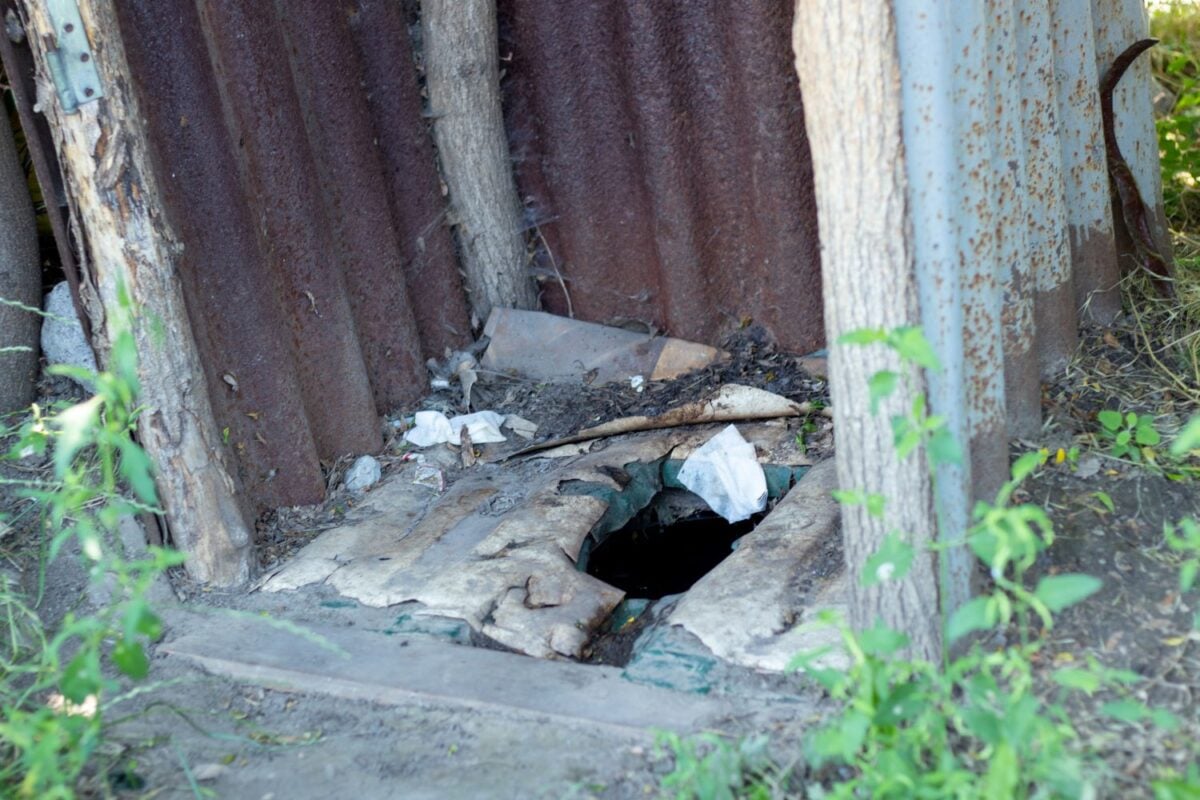
Unsafe pit toilets continue to endanger pupils in South African schools. Picture: iStock


South Africa’s classrooms remain shadowed by danger, despite repeated promises of reform.
Pupils have already fallen into pit toilets this year – a grim reminder that unsafe sanitation still stalks schools, even as the department of basic education pledged full eradication by March 2025.
Incidents of pupils falling in pit toilets in 2026
The incidents, from Mogogelo Primary in the North West and Zakhele Primary in KwaZulu-Natal, expose both infrastructural neglect and failures in oversight, highlighting how far the system still is from delivering safe, dignified facilities for every child.
North West education spokesperson Vuyo Mantshule said a Grade 1 pupil fell into a pit toilet after a contractor – who was appointed to convert the pit toilets to VIP flushing toilets – abandoned the site before completion, leaving open inlets and unsafe areas.
“The school did not barricade the construction area as required,” said Mantshule.
“Two pupils ran towards the toilets from the school grounds, where they had been under supervision. Instead of using the functional ablution area, they proceeded to the rear side of the toilets undergoing renovation.”
Meanwhile, early this year, Zakhele Primary School in Upper Tongaat, KwaZulu-Natal, received a new toilet after a five-year-old pupil was rescued from drowning after falling inside a pit latrine.
The child was rescued by the principal.
Progress under the Safe programme
Kathija Yassim, education leadership professor at the University of Johannesburg, said that under the department of basic education’s sanitation appropriate for education (Safe) programme, the original 2018 audit identified 3 372 schools with unsafe pit toilets.
“As of April 2025, the department reported that 96% of these schools had been addressed, leaving 141 schools still awaiting completion,” said Yassim.
“More recent parliamentary updates indicate that this has fallen further to around 135.”
Yassim said it was important to distinguish between unsafe pit latrines identified in the Safe programme and all schools that still have pit toilets.
“According to the education facility management system, about 1 770 public schools still had some form of pit toilets on site in 2024, although many of these also had alternative appropriate sanitation facilities,” she said.
“In order to address this, the department has indicated R1.6 billion has been allocated in the 2025-26 financial year to complete the eradication of pit latrines and sanitation infrastructure.
“This is a programme allocation rather than a per school replacement cost, as costs vary considerably depending on site conditions, water availability and the type of sanitation installed.”
Government maintains backlog has been cleared
Last year, Basic Education Minister Siviwe Gwarube informed parliament the Safe initiative had eradicated over 93% of identified pit toilets in public schools across the country.
“This milestone marks a step toward ensuring all pupils have access to safe and dignified sanitation facilities,” said Gwarube.
“The department has reached the milestone of achieving the 100% completion of all pit toilet eradication projects identified through the 2018 Safe Initiative audit.”
She has confirmed that all 3 372 schools identified in the 2018 audit have now been provided with safe and appropriate sanitation facilities.