
Parliamentary oversight should lead to solutions not credit battles over projects that should have been completed years ago for pupils dignity.
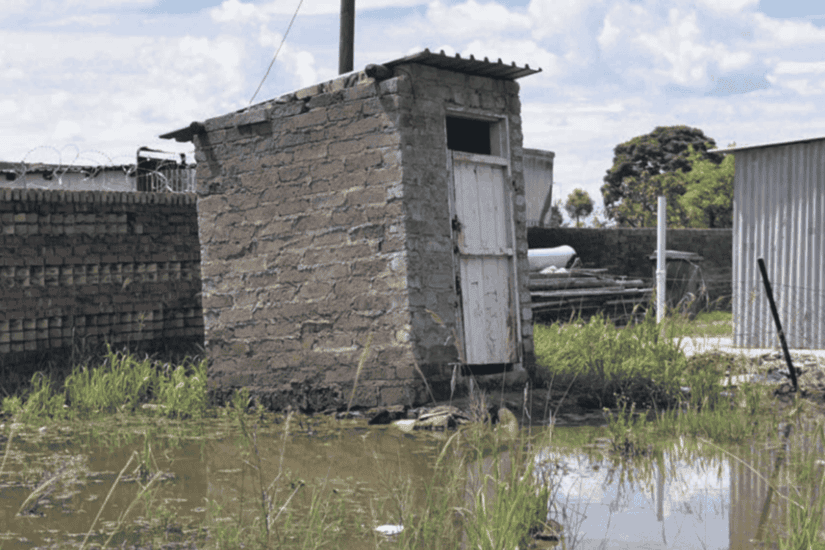
Picture: Nigel Sibanda/The Citizen


South Africa should be having very different conversations about education. The real debate ought to be how to prepare pupils for the Fourth Industrial Revolution and a rapidly changing global economy. We should be asking how to produce future scientists, engineers, entrepreneurs and innovators.
Instead, our national discourse remains stuck on pit toilets. That alone should trouble every South African.
The recent disagreement between select committee on education, sciences and the creative industries chair Makhi Feni and Basic Education Minister Siviwe Gwarube over the eradication of pit toilets is about more than conflicting figures.
Feni argued the minister was presenting the completion of an old sanitation programme as a new achievement, insisting that the backlog should have been eliminated years ago. Regardless of who is right, the shocking truth is: pit toilets are still part of our national education debate in 2026.
Of course, eliminating pit toilets is essential. No child should have to attend a school where unsafe sanitation threatens their health, dignity, or life. Safe and decent sanitation is a basic human right. But replacing pit toilets is only half the task.
Once new toilets are built, they must be maintained. Authorities have a responsibility to ensure these facilities remain clean, functional and safe.
Across the country, many schools already have flushing toilets that no longer work because of broken plumbing, vandalism, poor maintenance, or simple neglect. Building modern facilities means little if they fall into disrepair a few years later.
So, the elimination of dangerous pit toilets from a 2018 audit should not be celebrated. It is not an extraordinary achievement. It is the fulfilment of a basic responsibility that should never have taken this long.
Far more urgent conversations are waiting to be had. Why doesn’t every public school have a fully equipped science laboratory? Why are thousands of pupils still without access to well-stocked libraries? Why is reliable internet access still out of reach for so many classrooms?
Why are digital learning tools not standard in every school? And why does every preschool child still lack access to quality early childhood education, when the foundation phase of learning is laid long before Grade 1?
These are the questions that should dominate our national education agenda. Instead, we have lowered our expectations so much that meeting fundamental obligations is presented as remarkable progress.
The consequences are real. Pupils without proper sanitation face health risks, indignity and disrupted learning. Pupils without laboratories miss out on practical scientific skills. Those without libraries lose opportunities to develop a culture of reading and critical thinking.
And pupils without internet access are excluded from a digital economy that shapes higher education, employment and everyday life.
Parliamentary oversight is important, and political leaders must hold one another accountable. That is how democracy works. But accountability should lead to solutions, not endless arguments over who deserves the credit or the blame for projects that should have been completed years ago.
Pupils deserve better. The true measure of success is not simply whether pit toilets have finally disappeared; it is whether every pupil, regardless of where they live, receives an education that equips them to compete with the best in the world.
That means safe and well-maintained schools, qualified teachers, functioning libraries, modern science laboratories, connected classrooms and quality early childhood education.
The day our national conversation shifts from pit toilets to excellence, innovation and opportunity will be the day we can truly say our education system is moving in the right direction.