
The SABC's legacy is complex and deeply intertwined with South Africa's political history.
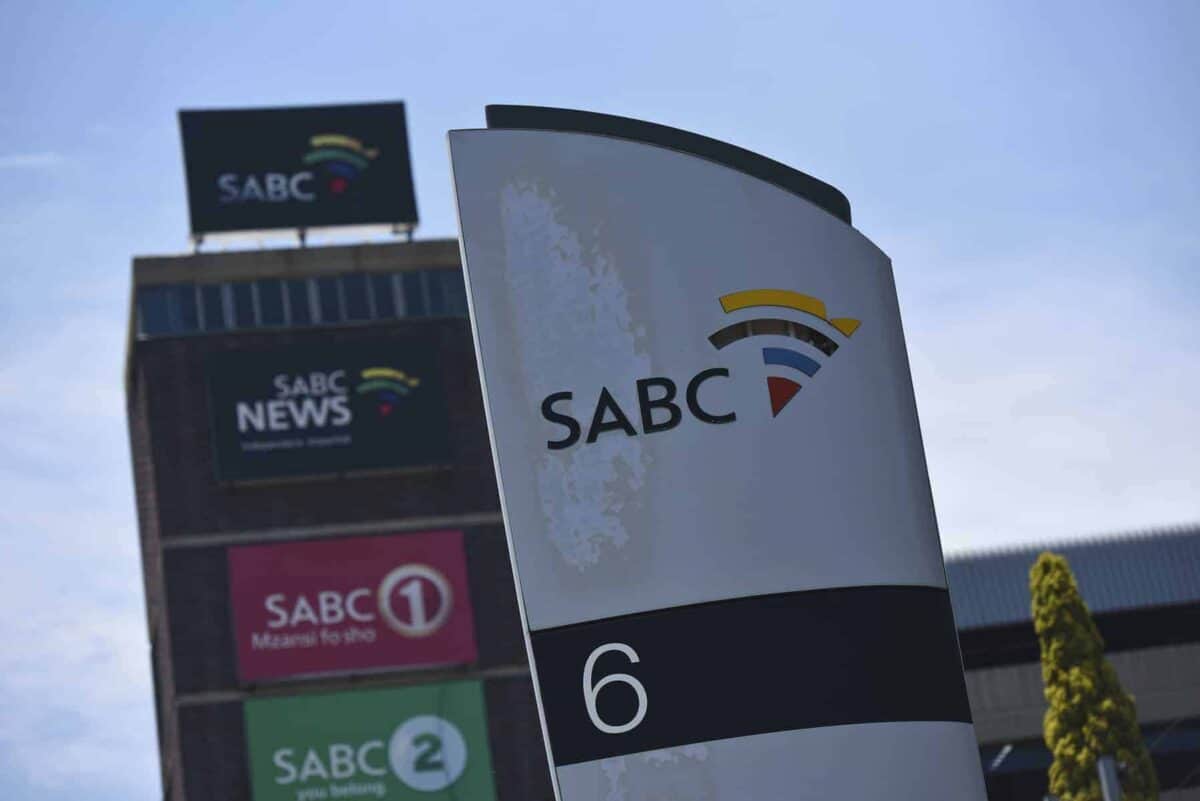
The SABC officially marks its 90th anniversary on Friday, 31 July 2026. Picture: Michel Bega


Minister of Communications and Digital Technologies Solly Malatsi has hailed the South African Broadcasting Corporation’s (SABC) 90th anniversary as a landmark moment in the nation’s democratic journey from the days of apartheid.
The public broadcaster officially marks its 90th anniversary on Friday, 31 July 2026, marking a historic milestone reflecting nearly a century of national media representation.
SABC establishment
Established under the Broadcasting Act in August 1936, the public broadcaster has grown from a localised radio presence into a major multi-platform entity.
Today, it commands 19 radio stations, six television channels, and the SABC Plus streaming service, reaching millions daily.
Transition
The SABC’s legacy is complex and deeply intertwined with the country’s political history. During the apartheid era, the corporation functioned largely as a state propaganda tool, restricting independent reporting.
However, the transition to democracy in 1994 transformed its mandate.
The broadcaster re-emerged as a vital pillar of the new South Africa, giving voice to marginalised languages and uniting citizens during monumental events, from democratic elections to major international sports tournaments.
‘Central pillar’
Malatsi said that through nine decades of political and technological change, the SABC has grown into a “central pillar of our democracy” by informing, educating, and entertaining South Africans, giving a voice to communities across our country.
“While the SABC has much to celebrate, I am equally mindful of its ongoing transformation journey as it modernises its funding model, strengthens governance and adapts to a rapidly changing media landscape.
“The Department of Communications and Digital Technologies remains committed to working with the SABC board and management to support the corporation’s long-term sustainability as a trusted, independent public broadcaster,” Malatsi said.
Digital migration
Meanwhile, the Department of Communications and Digital Technologies (DCDT) in April said it was edging closer to its target to digitise South Africa.
South Africa has missed more than 10 analogue switch-off dates, with the latest one halted by the courts in March last year due to the lack of consultation with broadcasting stakeholders.
The court rulings have hampered the 15-year attempt to finalise the digital migration, while socio-economic and infrastructure challenges hamper the expansion of access to digital services.
Digital migration deadline
The digital migration project is beyond the original December 2010 deadline set by former communications minister Ivy Matsepe-Casaburri during former president Thabo Mbeki’s administration.
It can potentially disrupt the operations and viewership of the SABC and other free-to-air channels like e.tv.