
Bosa stressed that defending the threshold 'is effectively ensuring that our youth leave school fully qualified for unemployment'.
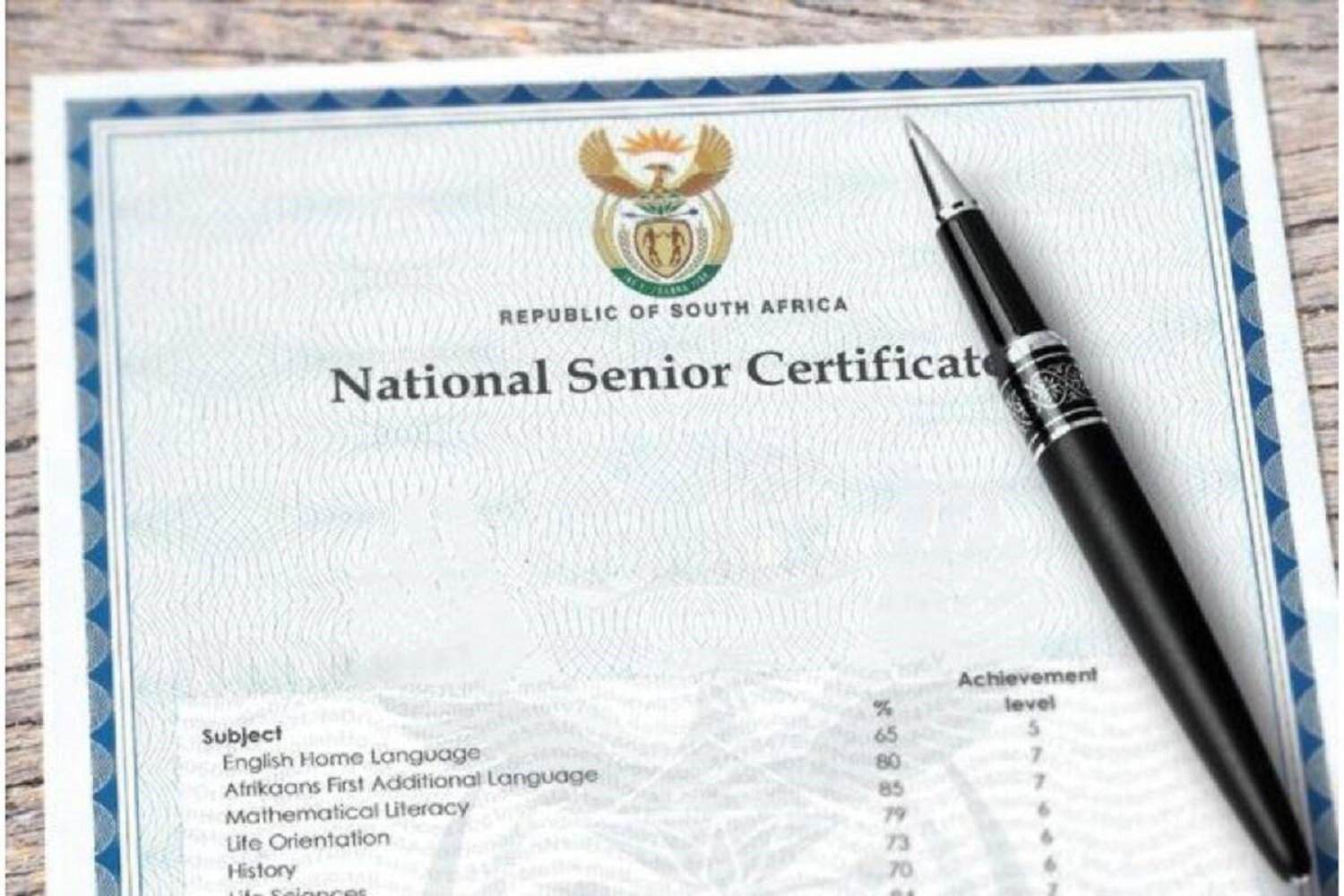
Picture: Supplied/File


Parliament has rejected a motion seeking to review and replace the longstanding 30% matric minimum subject threshold, igniting fierce political backlash and renewed debate over South Africa’s education standards.
The motion, tabled by Build One South Africa (Bosa) leader Mmusi Maimane, was defeated on Tuesday night by 190 votes to 87.
MPs from the ANC, DA, Patriotic Alliance, Freedom Front Plus and Al Jama-ah voted against the proposal, while the EFF, IFP, MK party, ActionSA, Rise Mzansi, ATM and ACDP supported it.
The PAC, UAT and UDM were absent from the sitting.
Bosa slams rejection
Reacting after the vote, Maimane criticised parties that opposed the motion.
“Today, we lost the vote to end 30% as a pass mark at any level in our public education system. The following parties voted to keep Bantu education standards: ANC, DA, VF, PA and Al Jama-ah. They hugged incompetence and embraced mediocrity. Now SA knows,” he said on social media.
Bosa MP Nobantu Hlazo-Webster said the outcome revealed who was committed to improving education.
“Tonight, we voted on a simple call for the minister to review the 30% minimum pass mark and table a plan to fix our collapsing education standards. 119 MPs … voted against,” she said.
Hlazo-Webster argued that the current threshold “masks the real crisis” and leaves “millions of children behind” in the public school system.
“A 30% standard doesn’t hurt privileged children … It hurts Quintile 1, 2 and 3 learners,” she said, adding that low benchmarks limit access to universities, TVET colleges and job opportunities.
She said the parties that supported the motion “voted to ensure our children are not set up to fail”.
Speaking to The Citizen, Bosa spokesperson Roger Solomons echoed the criticism.
“The 30% pass mark is nothing more than Bantu Education in the modern era. Both the ANC and the DA appear comfortable with an education system that asks our young people to aim so low,” he said.
Solomons stressed that defending the threshold “is effectively ensuring that our youth leave school fully qualified for unemployment”, adding that Bosa was “strongly considering” reintroducing the motion.
ALSO READ: DBE puts its foot down as performance goals shoot through the roof
Education department defends NSC system
The vote came after a heated debate in parliament last Friday, during which MPs revisited long-standing confusion over the so-called “30% pass mark”.
Basic Education Minister Siviwe Gwarube warned MPs against “distortions” of the National Senior Certificate (NSC) pass requirements.
“It is essential [for] the public, parents, teachers and students to hear the facts clearly without distortion,” she said. “There is no such thing as a 30% overall pass mark in the NSC.”
Gwarube stressed that matriculants must meet a “three-tiered set of subject requirements,” which include at least 40% in home language, 40% in two other subjects and 30% in three additional subjects.
She added, “Out of the 724 000 students who wrote the NSC last year, only 189 passed with the minimum subject combination requirement. That is just 0.003% of the overall numbers.”
The minister said the idea that pupils “pass matric with 30%” is a “misunderstanding and perhaps a distortion”. She said the real crisis lies earlier in the system, especially in reading.
ALSO READ: MEC weighs in on foreigners in schools
Opposition insists standards must rise
EFF MP Mandla Shikwambana also argued that the bar must be raised to prepare pupils for a modern, knowledge-based economy.
“A child who passes with 30% will not become an engineer, doctor or IT specialist,” he said.
“Our children are not failing; they are being failed by overcrowded classrooms and schools without libraries or laboratories,” he said.
Shikwambana said the EFF wants the pass benchmark raised to 50%.
Despite the motion’s defeat, Bosa says the fight will continue.
“We will continue this fight, it matters not just for the education system but for setting up our children for meaningful participation in the economy,” Hlazo-Webster said.
NOW READ: Matric exams are over: Here’s when you will get your result