The collection of the R200 surcharge has been a raging debate among the council's political parties.
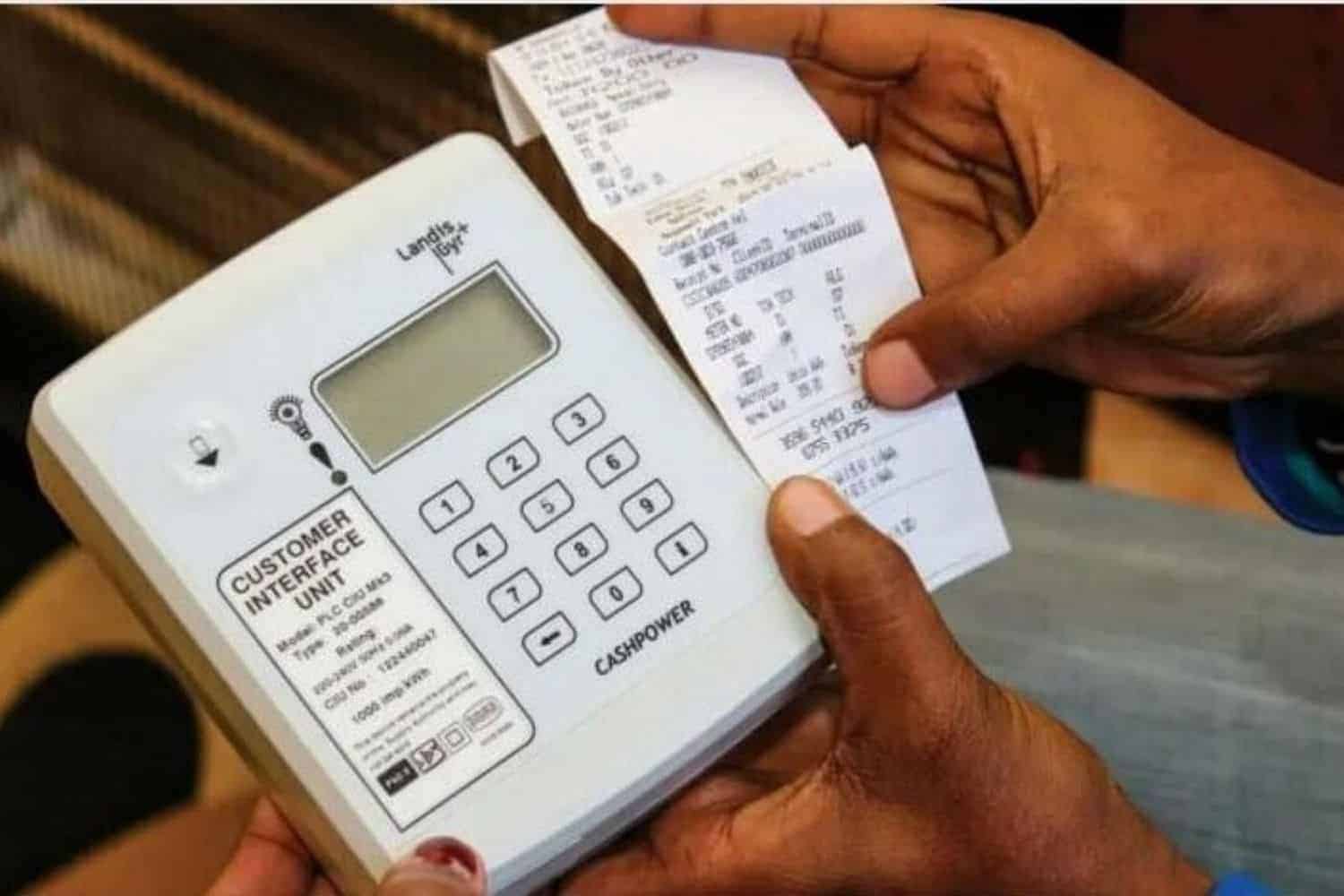
Picture for illustration purposes. Picture: X/@RekordNewspaper


The African Democratic Christian Party (ACDP) has lost its bid to have the R200 electricity charge in the City of Johannesburg scrapped.
City Power introduced the R200 (R230 including VAT) surcharge in July last year to “share the costs of maintaining electricity infrastructure with its customers” and to ensure a fair distribution of upkeep costs, helping sustain reliable service amid challenges such as cable theft and illegal connections.
Since the announcement of this charge, Johannesburg residents and opposition parties have petitioned to have it removed.
ACDP’s Christian Rohlssen proposed a motion to have the surcharge removed in Tuesday’s council meeting, but it did not have enough support to succeed.
“The R200 electricity surcharge has caused immense financial pain and suffering to residents who are already burdened by the rising costs of living and escalating municipal tariffs. Many households in Johannesburg are battling to survive under the weight of excessive utility charges, including the high cost of water, sewage and electricity.
“This is compounded by taxes and additional service fees that are levied when residents recharge their prepaid meters. Instead of achieving equity, the surcharge has exacerbated inequality, disproportionately affecting low-income working-class families who are forced to choose between basic needs such as food, transport and electricity.
“This surcharge has not only deepened the cost of living crisis, but it has also eroded the residents’ trust in public governance and the commitment to pro-poor policies,” said Rohlssen.
ALSO READ: Load reduction: Here are the areas affected in Gauteng
‘Cheapest out of all the metros’
However, the MMC of Finance in the City of Johannesburg, Loyiso Masuku, said the surcharge is necessary for the maintenance and upgrading of the City’s electricity network.
“First of all, all metros across the country charge this network charge, and this R200 surcharge in the City of Johannesburg is actually the cheapest out of all the metros. This tariff was actually approved by the national treasury and Nersa,” she said.
“In this current year, we did not increase the surcharge so that we do not burden our residents, the downtrodden, and so that we do not burden the previously disadvantaged areas,” she said.
Despite Masuku’s comments, the council earlier this year proposed increasing the prepaid electricity surcharge from R200 to R270 per month. As public outcry grew, the city backpeddled, claiming nothing had been approved and that they would consider residents’ comments on the issue. The proposal was then quietly shelved without any known public hearings.
Masuku said residents who have applied for exemption or are on the City’s Expanded Social Package (ESP) are not affected by the surcharge.
“Therefore, this is a clear indication that we are not putting pressure on those who are not able to afford.
“We also increased the benefits for the poor and allowed them to apply for this exemption… we cannot just wake up and use motions to deal with budgeting issues,” she said.
Campaigning
Masuku described the ACDP’s motion as a tactic to campaign for the upcoming local government elections. However, Rohlssen denied this.
“This is about caring for the well-being of the residents of Johannesburg who are already drowning in increase after increase. How much more are the residents supposed to take?
“We can use very colourful words to say why we must increase and increase and increase, but at the end of the day, let us show the residents that we do care about them. Let us allow this motion to be accepted by the council,” he said.
The motion was rejected by the ANC and its partners, who hold a majority in council.
NOW READ: Morero’s future on the line: Joburg mayor faces two big battles this week
Additional reporting by Faizel Patel