TikTok creator Pappa Lawrie backs calls to ban under-16s from social media as experts warn of rising cyberbullying and exploitation.
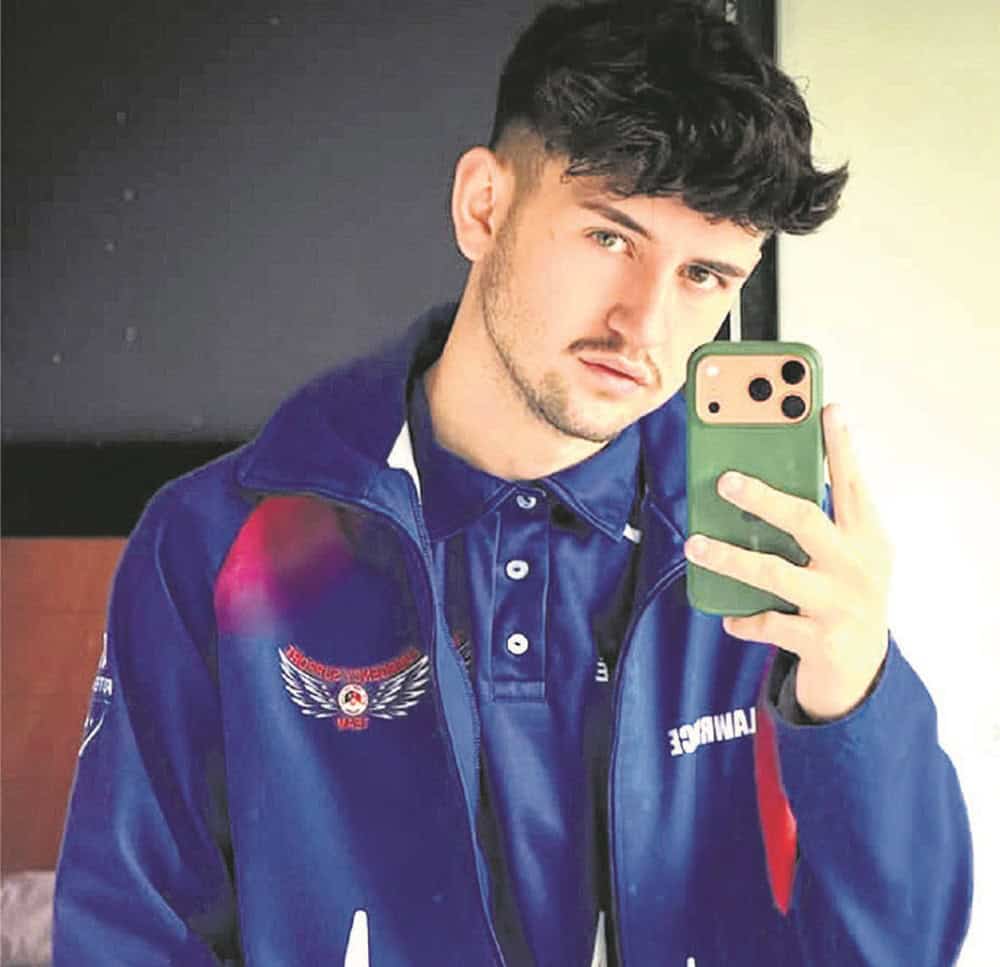
Social media influencer Pappa Lawrie says protecting children online is stewardship, not censorship. Picture: Supplied


Lawrence Lee Thorpe, better known as TikTok personality Pappa Lawrie, with nearly 99 000 followers, is no stranger to online hate. The matriculant, who joined social media at 12, believes banning platforms for children under 16 is necessary.
“I think a ban is definitely needed when I think about how social media has changed me as a person,” Thorpe said.
“Young children are exposed too early. At least from 16, people have already developed who they are and want to be.”
Thorpe admitted dealing with negativity was overwhelming at first. “By now, I make a joke out of it, or laugh. If people see you laugh it off, the hate decreases. Now and then, when I do get a hate comment, I simply block it.”
TikTok star joins experts urging an under-16 ban
His experience highlights the paradox of social media – a space for creativity and connection, but also a breeding ground for hostility.
Security expert Mike Bolhuis strongly supports restricting access for minors, warning that cyberbullying has escalated into a pervasive crisis in South Africa.
“About 40% of pupils experience some form of bullying and roughly one in three teenagers are victims of cyberbullying,” he said.
ALSO READ: SA government on the possibility of Aussie-style social media ban
Unlike physical bullying, the scars are invisible, but the damage is psychological and lasting.
Victims face mocking memes, public shaming, harassing messages and non‑consensual sharing of images.
Mental health professionals caution that such harassment can lead to anxiety, depression, suicidal thoughts, isolation and lifelong trauma.
Bolhuis noted that while cyberbullying overlaps with offences like harassment or defamation, South African law lacks a clear definition, leaving victims vulnerable and perpetrators difficult to prosecute.
Escalating cyberbullying and online risks
The tragic case of 15‑year‑old Lufuno Mavhunga in 2021 underscored the stakes. After a video of her being attacked at school went viral, she died by suicide, sparking national outrage and renewed focus on the mental health impact of online abuse.
Her story remains a painful reminder of how digital cruelty can spill into real‑world tragedy.
Wayne van Onselen, founder of Unchain Our Children, argued for stricter measures against perpetrators.
ALSO READ: Will SA follow Australia and ban under-16s from social media?
“Parents, teachers, or any adult should listen to the needs of the child who speaks out about bullying behaviour so that the child can get the necessary assistance,” said Van Onselen.
“Parents should exercise stricter control over cellphone and internet use. Prevention is better than aftercare.”
Sinoville Crisis Centre CEO Jerry “Chicks” Mosuoe highlighted another danger: parents using gadgets as babysitters.
“We have had cases where children said they were talking to people they don’t know and were requested to dance naked. In one case, a teenager met a man online and was raped,” said Mosuoe.
Parental oversight
Together, these voices paint a stark picture – social media offers opportunity and connection, but also exposes minors to risks they may not be equipped to handle.
Thorpe’s testimony, paired with expert warnings, strengthens calls for a minimum age of 16.
Advocates argue that stricter parental oversight, clearer laws and proactive prevention are essential to protect children from the hidden wounds of the digital age.
NOW READ: Australia bans under-16s from social media in world-first crackdown