


While the Limpopo floods cause havoc, this is a stern warning, don’t just go with the flow with mother nature, when in doubt, don't take a chance.
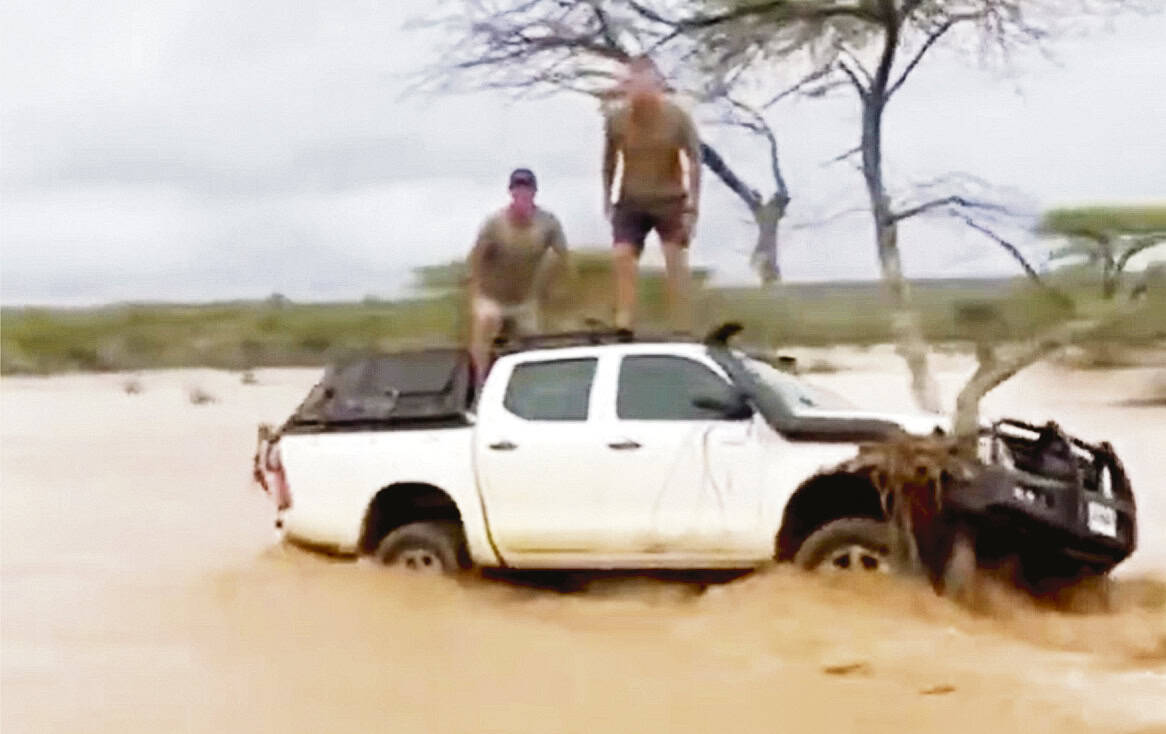
Even a Toyota Hilux cannot always conquer the forces of nature. Picture: X


Speed and low range… those are two things real men can’t resist when it comes to cars.
Speed in your highway ride shows you’re cool and slick. Low range – as well as chunky tyres, bullbars and spotlights – on your 4×4 shows you are rough, tough and hard to bluff.
Sadly, tough as you are, mother nature will bliksem you if you try to challenge her in the rainy season – 4×4 low range and the rest of the toys notwithstanding.
Amusing but also irritating
I’ve been amused – but also irritated – the past two weeks with the number of ignoramuses posting clips on social media of Toyota Land Cruisers ploughing through deep rivers.
Why irritated? Because, no matter what the okes think, a Cruiser cannot conquer everything and trying it out could well cost you your life.
Proper 4×4 experts, who have seen and done most of what is out there, will always exercise caution at a river crossing.
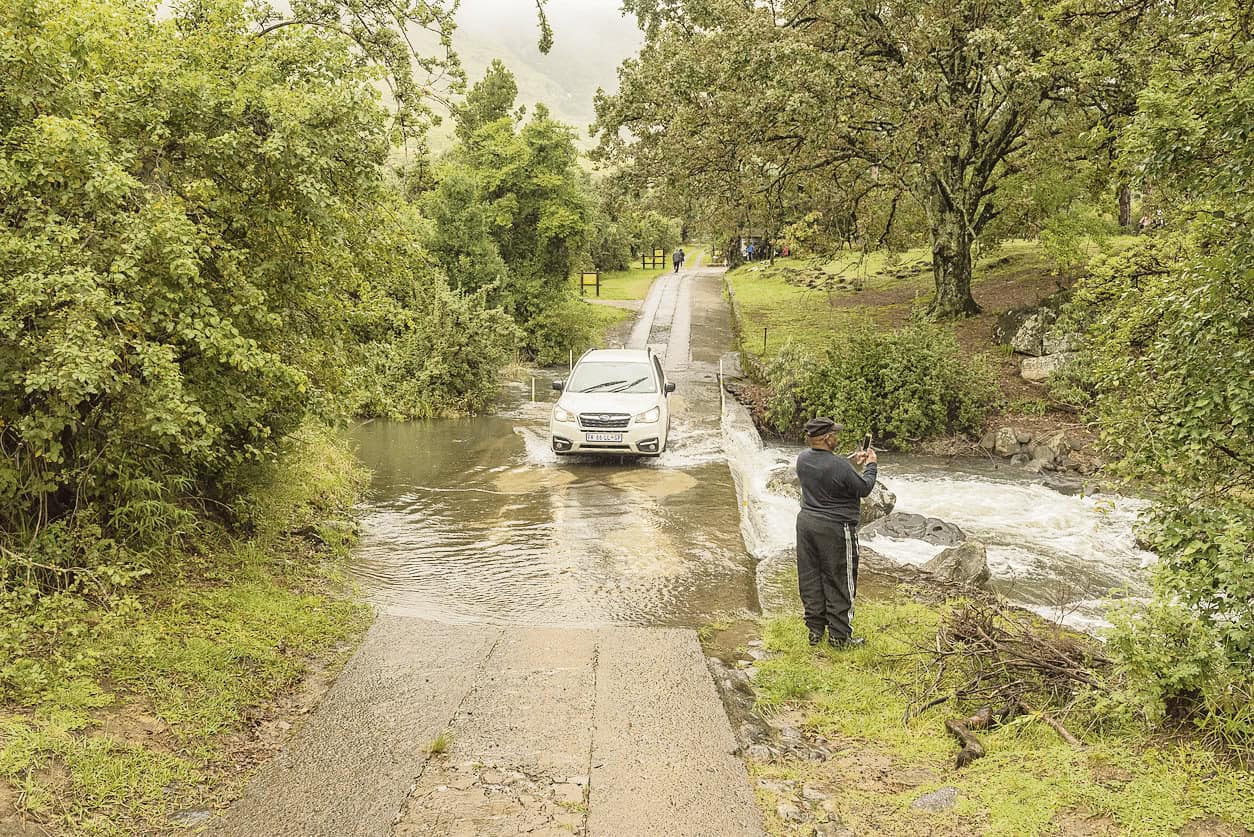
In most cases, they will stop on the bank and wade a certain way in to determine two things: how deep it is and how fast it is flowing.
The latter is the critical part of river crossings. Many of the videos of Cruisers and others crossing watercourses are taken when the water may be quite deep but is flowing slowly.
Indeed, on diesel-powered 4x4s equipped with snorkels where the engine intake is placed well above the water, the “wading depth” can be impressive.
On the other hand, there are plenty of funny videos on YouTube of dumb British motorists trying to negotiate river fords after heavy rains in ordinary cars and finding out that, if you exceed your wading depth, not only does your car stall and stop, but you’re in for a hefty engine repair bill, because it will have seized solid thanks to the phenomenon known as “hydrolock”.
That is when a large amount of water is sucked into the cylinders. Internal combustion engines normally deal with air, which can be compressed. Water – not so much.
Watch video of Hilux swept away in Limpopo floods
That is the first indication of the power of a comparatively simple compound like water. The second is by the force it can generate as it accelerates.
That is why, if a body of water looks like it is flowing – clue: look for little waves and movement – it will produce more than enough force to sweep a car, or even a hardcore offroad vehicle, off a bridge.
The “contact patch” on an average tyre – the bit that is actually trying to stick to the road – is barely bigger than an A4 piece of paper.
So, if a river is flowing strongly, all you have between yourself and a face-to-face meeting with your Maker is four soggy areas about the same size as this story.
And once you are swept away, the chances are not good. Most cars have electric windows and central locking, so good luck trying to use them when they’re deluged.
Also, there is no human who can open any door against the pressure of a fast-flowing current.
Even a company like Toyota includes – for those who bother to read a vehicle handbook – warnings about river-crossing and wading depth, as well as the increased chances of rollovers in higher vehicles like 4x4s.
Yet, still the manne – like the ones left stuck in the Hilux – still try.
Fortunately for them, they were wedged up against a pretty solid tree (either by accident or design) which should have been able to hold the vehicle until the water subsided.
River Crossing rule Number One: when in doubt, don’t do it. River Crossing rule Number Two: always be in doubt.
ALSO WATCH: Shocking dashcam footage from Vanderbijlpark scholar transport crash
Support Local Journalism
Add The Citizen as a Preferred Source on Google and follow us on Google News to see more of our trusted reporting in Google News and Top Stories.

