The parties described a health system stretched thin and unevenly shared.
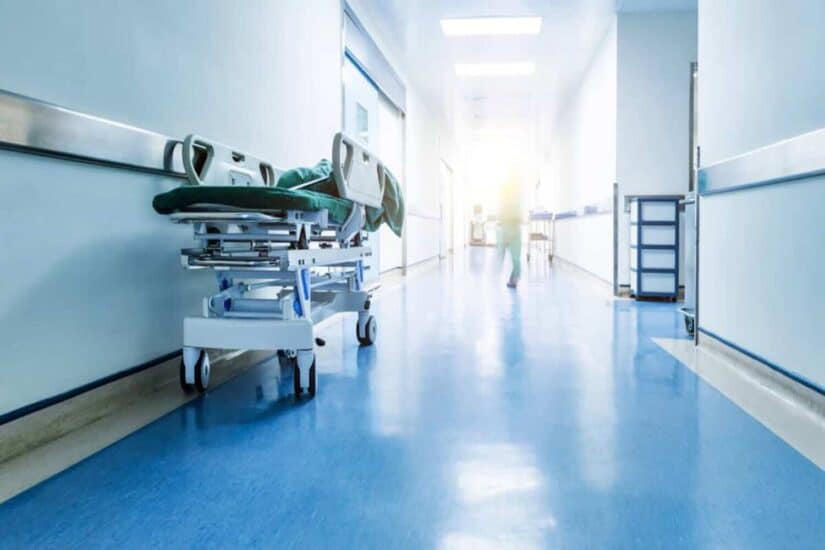
Picture: iStock


South Africa’s four biggest political parties each published health pledges in their latest manifestos.
They promised to improve clinics, widen access to care and tackle the health risks that hit poor communities hardest.
The DA, ANC and EFF aimed their plans at municipalities, while the MK party set out national policy.
South Africa’s healthcare system under strain
The parties described a health system stretched thin and unevenly shared.
According to the MK party, care depends heavily on which side of the system a person uses.
It also said most people rely on traditional healers who sit outside the formal system.
“The South African Health System is divided, with one part having excessive resources serving a minority, while the other part, serving over 80% of the population, is severely under-resourced,” the MK party manifesto said.
The DA pointed to alcohol, pollution and failing clinics as extra pressure on public care.
It cited a 2025 Greenpeace Africa report that linked air pollution to 42 000 deaths in 2023.
The EFF said service failures strip people of basic dignity.
“Recent studies have linked heavy drinking with contributing up to 7% of South Africa’s national disease burden, placing extra strain on an already underperforming public healthcare sector,” the DA manifesto said.
“There can be no dignity where water does not flow, where electricity is unreliable, where roads are unsafe, and where clinics cannot serve the sick,” the EFF manifesto added.
ANC: HIV prevention, clean water and child nutrition
The ANC linked health to basic services, safety and community life.
“Clean water, reliable electricity, dignified sanitation and well-maintained roads are the foundation of dignity, public health, economic opportunity and a better quality of life.”
The party’s first point was HIV prevention. It said it will work with the Department of Health to offer new prevention options through primary clinics, backed by ward-based outreach and youth-friendly services.
It promised stronger environmental health work, including food safety inspections, refuse collection and action on sewer spills.
Additionally, the ANC vowed to treat dirty water as a health emergency. Fourth, it said it will use the indigent register to protect low-income families from hunger.
It was blunt about water contamination. “E. coli and sewage contamination of rivers and other water sources will be treated as urgent public health risks requiring immediate action,” the ANC manifesto stated.
DA: Fund clinics, fix dispensing and cut pollution
The DA said it will fight for proper funding for municipal clinics.
It argued that councils must run them without always receiving provincial funding.
“Municipal clinics are a case in point – municipalities are legally obligated to run them but do not always receive the provincial funding to do so,” the DA stated.
The party also promised clinics with enough medicine, equipment and staff, plus standard procedures for stock and patient counselling.
It said it plans to bring in private partners to upgrade clinics and other public spaces under its “Adopt-a-Public Space” programme.
The DA also promised faster, more accurate service at the counter.
“We will also introduce digital dispensing systems in our city clinics to reduce errors and improve turnaround times,” the party said.
EFF: Longer clinic hours, community health workers and faster ambulances
The EFF offered the longest health list of the four.
It promised to expand primary care, including maternal, HIV and mental health services, using mobile units in under-serviced areas.
It added that it would extend clinic operating hours and move towards 12-hour and 24-hour clinics where possible.
Moreover, the party said it planned to implement digital appointment systems to cut waiting times.
It pledged to bring certified traditional health practitioners into local healthcare systems.
The party pointed to what it said it had already done in Johannesburg.
“The EFF MMC for health in the City of Johannesburg, Gauteng, has built 24-hour clinics in the Westbury and Florida townships and renovated clinics in Zandspruit, Protea Glen, and Naledi,” the EFF claimed.
It also set firm targets for emergency care and staffing.
“Enforce ambulance response time targets of a maximum of 20 minutes in urban areas and 30 minutes in rural areas,” the EFF stated.
“Absorb community health workers as municipal employees to conduct household health, nutrition, and child development outreach programmes,” the manifesto added.
MK party: NHI, a state pharmaceutical company and annual screening
The MK party took the most state-led approach.
It said it will roll out National Health Insurance (NHI) to shift resources away from private care.
“Implement the National Health Insurance [NHI] scheme as an instrument to redistribute resources in the healthcare system away from the expensive private health care system,” the MK party manifesto stated.
The party also promised more medical schools and faster upgrades to health facilities.
It said it aims to protect and regulate traditional African medicine, while also pledging round-the-clock facilities.
It also proposed a state-owned drug maker.
“Establish a state pharmaceutical company to break the power of private capitalist monopoly over the South African health system,” the MK party said.
The party went further than the others on prevention.
“Make it mandatory that every citizen undergo a health screening once a year,” the MK party manifesto claimed.
It tied this to access, saying it would “ensure that appropriate budgets are available for all healthcare facilities to operate for 24 hours, seven days a week, and are adequately resourced with ambulances”.