


Over 100 women were sterilised without consent, many misled by doctors, now demanding accountability from the government.
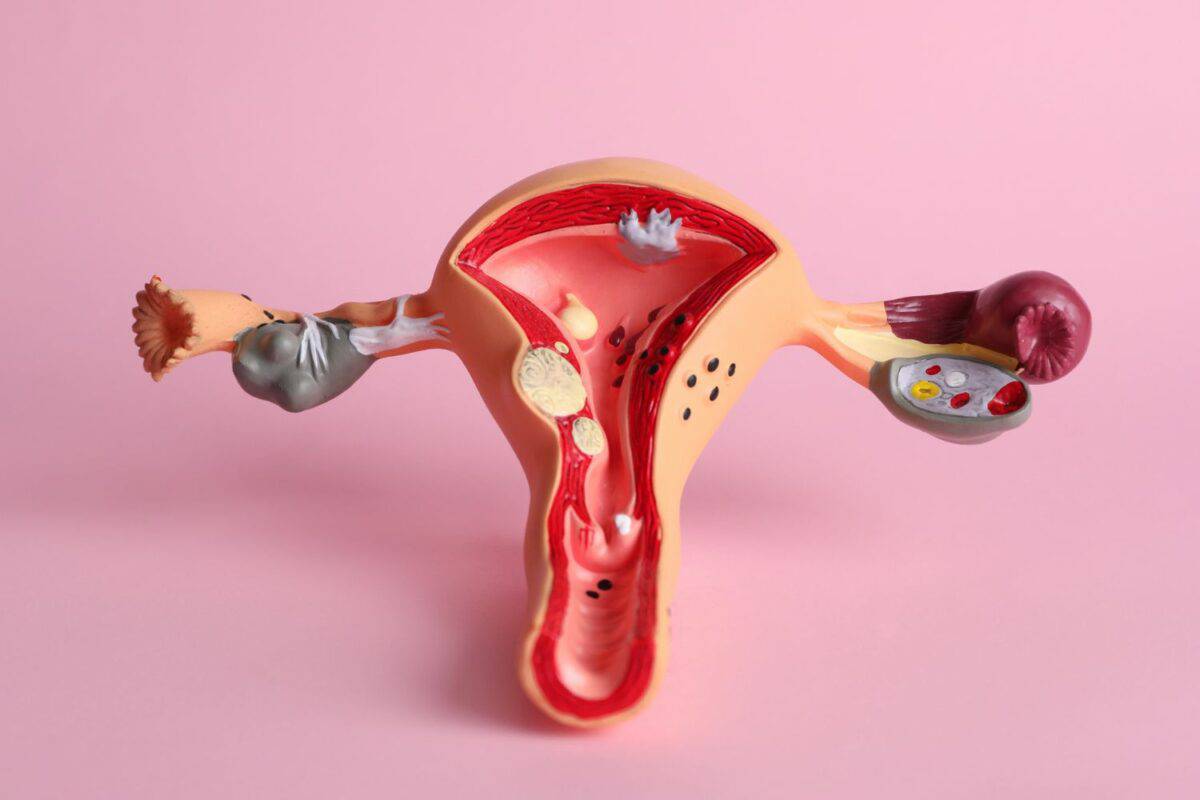
HIV-positive women coerced into sterilisation demand government accountability. Picture: iStock


She says she feels “like half a woman” because she can never have children – a fact she has hidden from her partner for more than a decade.
The emotional toll stems from a coerced sterilisation at a government hospital, carried out because she was HIV-positive.
In 2011, the woman, now in her 40s, went to a government hospital in Boksburg.
Woman reveals lifelong harm after coerced sterilisation
“I went as an HIV-positive patient when a doctor told me I had stage one cervical cancer,” she said.
“While I was still shocked, he said since I had two dangerous diseases, I must get rid of one. He insisted removing my uterus would be wise, because then I would only deal with HIV.”
She did not question the treatment plan, but later discovered the hysterectomy was far from a last-resort option.
ALSO READ: ‘Reform health funding or SA’s HIV and TB goals will fail’
“Another doctor said the procedure should have been the last option because the cancer was in its early stage.
“After surgery, I received no support from the department. The second doctor even said the operation was not done properly.”
Her voice broke as she recounted: “My life has been ruined. I can’t hold my urine for long and I fail to enjoy sex like before. I’ve hidden this from my partner for over 10 years.”
Call for accountability and justice
She dreams of seeing the government held accountable.
Another woman, also sterilised without informed consent, said: “Now I feel half a woman. Life became difficult because it is hard to tell a man you are barren, especially if he wants children. The issue has affected me mentally.”
A third woman, from Krugersdorp, was sterilised at 17 after giving birth to her second child in 1997. She was told to return for check-ups, given another date for “assessment”, but not told what it entailed.
ALSO READ: Gauteng Health launches STI prevention drive targeting men
“When I arrived, they said I was going to theatre. I was healthy, and so was my baby. I heard doctors discussing me in medical terms I didn’t understand,” she said.
“One asked if I was the HIV-positive patient and it was confirmed. Later, I woke up with a wound under my belly button. When I asked, they said it was just assessments.”
Years later, she struggled to conceive. A doctor confirmed she had been sterilised. In 2018, she sought a reversal, but was told it was impossible – and that the surgery had not been performed properly. “Now my husband complains I cannot fall pregnant,” she said.
Letters of demand issued to dept
More women are coming forward with similar stories. Next week, the Her Right Initiative (HRI), representing victims, will meet in Durban, KwaZulu-Natal, about 50 affected women to discuss holding government accountable.
HRI founder Dr Sethembiso Mthembu said lawyers had already issued letters of demand to the national department of health.
An investigation by the Commission for Gender Equality (CGE) in 2020 found the department violated 26 laws, including those protecting women’s rights to dignity, bodily integrity, and security.
ALSO READ: What will happen to HIV/ Aids healthcare when PEPFAR funding ends early next year?
The CGE concluded that HIV-positive women were subjected to forced and coerced sterilisations.
A University of South Africa study published in January this year also found women sterilised between 2007 and 2023 received no support from government.
More than 100 women were negatively affected, with no discussion of the way forward before or after procedures.
Govt slow to act
The study, Bodies at the Altar of Forced & Coerced Sterilisation, noted most victims were from Mpumalanga, Gauteng, KwaZulu-Natal, Eastern Cape, Limpopo and North West.
Mthembu told parliament’s portfolio committee on health that government was slow to act. Negotiations had dragged on for years, but updates stopped in March.
“The victims have not received financial compensation, nor any form of redress for pain and suffering. This violates their right to access justice and an effective remedy,” she said.
Her organisation’s investigations found most women were told sterilisation would help them live longer, since pregnancy was dangerous for HIV-positive women. Others were told it would protect them from further diseases.
Portfolio committee chair Faith Muthambi said all involved institutions would be summoned to account in parliament.
National department of health spokesperson Foster Mohale denied the department instructed doctors to sterilise women illegally.
Health dept denies sterilisation without consent
“It has never been the policy of the department that women living with HIV should be sterilised,” he said.
Mohale acknowledged the CGE’s finding that many complainants could not reasonably be said to have consented, given the structure of consent forms and alleged unethical processes used to obtain signatures.
Support Local Journalism
Add The Citizen as a Preferred Source on Google and follow us on Google News to see more of our trusted reporting in Google News and Top Stories.

