
Zuma and Thabo Mbeki failed in their latest attempt to have Khampepe removed as chairperson of the TRC-era crimes inquiry.
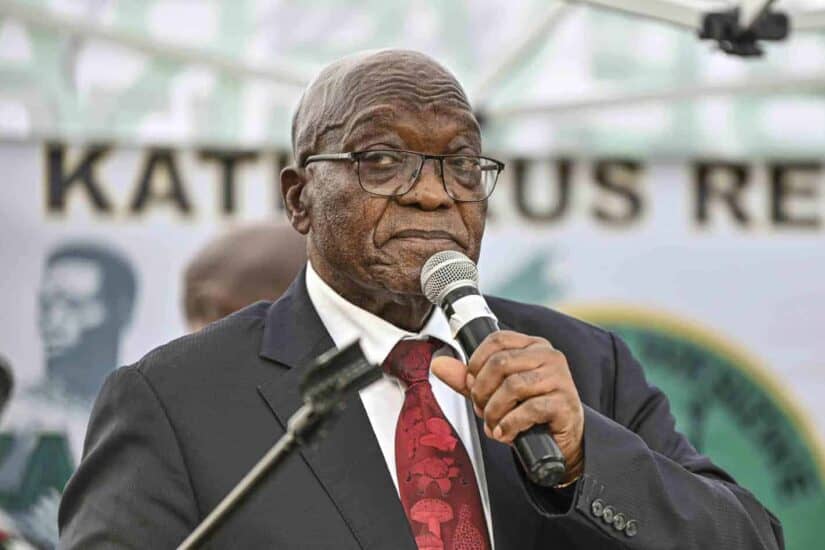
Former President Jacob Zuma. Picture: Gallo


The Jacob Zuma Foundation has described the Constitutional Court’s split ruling on retired Justice Sisi Khampepe’s recusal as a “narrow loss”, saying the 4‑4 divide reflects the seriousness of the former president’s concerns.
Zuma and another former president, Thabo Mbeki, failed in their latest attempt to have Khampepe removed as chairperson of the Truth and Reconciliation Commission (TRC) cases inquiry after the ConCourt dismissed their review application on Monday.
The court, however, granted the former presidents leave to appeal, allowing the matter to proceed.
‘Crucial victory’
Zuma Foundation spokesperson Mzwanele Manyi said the court’s interpretation of section 47(1) of the Superior Courts Act was a crucial victory.
“The court has affirmed what President Zuma has consistently argued, that section 47(1) applies strictly to judges performing judicial functions. That principle is significant, and we will continue to defend it,” he said.
Judgement
While the recusal bid failed, Manyi reflected on how close the judgment was.
“This was a 4‑4 split. Four judges agreed with President Zuma’s concern. That alone shows the issue was not frivolous, fanciful, or without legal foundation,” he said.
Concerns
Manyi emphasised that the foundation’s concerns extend beyond the recusal ruling.
“On the advice of its legal representatives, the foundation will now pursue two further processes: a criminal complaint to the South African Police Service concerning the conduct of the commission’s chairperson toward the evidence leader, including the alleged sharing of notes and alleged coaching on how to respond to the challenge to his role; and a formal complaint to the Judicial Service Commission concerning Justice Khampepe’s ethical conduct, based on evidence and material already before the courts.”
Legal challenge
The legal challenge followed a ruling by the Gauteng High Court in Johannesburg that dismissed Zuma and Mbeki’s bid to have Khampepe recused from a commission of inquiry established to probe the political suppression of investigations and prosecutions of apartheid-era crimes outlined in the TRC report.
The two former presidents had raised concerns about Khampepe’s past involvement in the TRC Amnesty Committee and her previous position as deputy director of the National Prosecuting Authority in the 1990s.
Bias
They maintained that her earlier roles created a reasonable perception that she could be biased in dealing with matters before the TRC cases inquiry.
However, the High Court found that the application had failed to meet a procedural requirement under Section 47(1) of the Superior Courts Act.
The provision requires the Chief Justice’s consent before civil proceedings can be brought against a judge.